
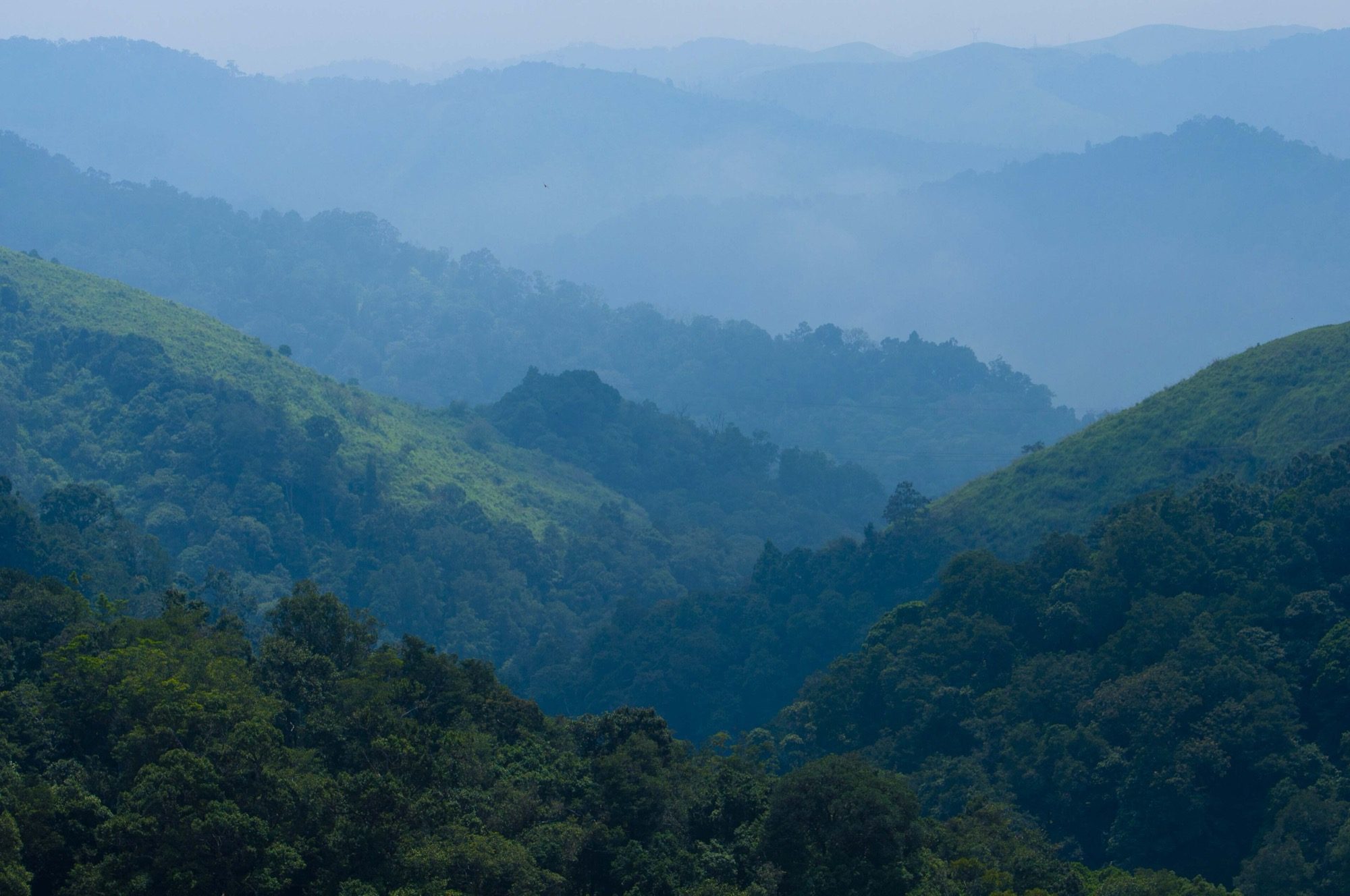
Biodiversity & Its Conservation
The variety of life — why it matters, and how India guards it.
Biodiversity is the variety of life — and India holds an extraordinary share of it. This unit covers the three levels of diversity, the services it quietly provides, India's place among the world's mega-diverse nations, the threats it faces, and the two great strategies for protecting it.
Learning objectives
By the end of this lesson, you will be able to — mapped to the course outcomes for Environmental Studies in Architecture:
Define the genetic, species and ecosystem levels of biodiversity.
List the ecological, economic and cultural services biodiversity provides.
Locate India's biodiversity hotspots and explain mega-diversity.
Compare in-situ and ex-situ conservation and the threats they answer.
The three levels
Biodiversity runs at three levels — genetic (variation within a species), species (the range of species), and ecosystem (the variety of habitats). All three give nature its resilience, and us our food, medicine and clean water.[1, 5]
India — a mega-diverse nation
India is one of about 17 mega-diverse countries, and four of the world's biodiversity hotspots touch it: the Himalaya, the Western Ghats–Sri Lanka, Indo-Burma, and Sundaland (the Nicobar Islands). With this wealth comes the duty to guard it from habitat loss and poaching.[2, 4]
In-situ & ex-situ conservation
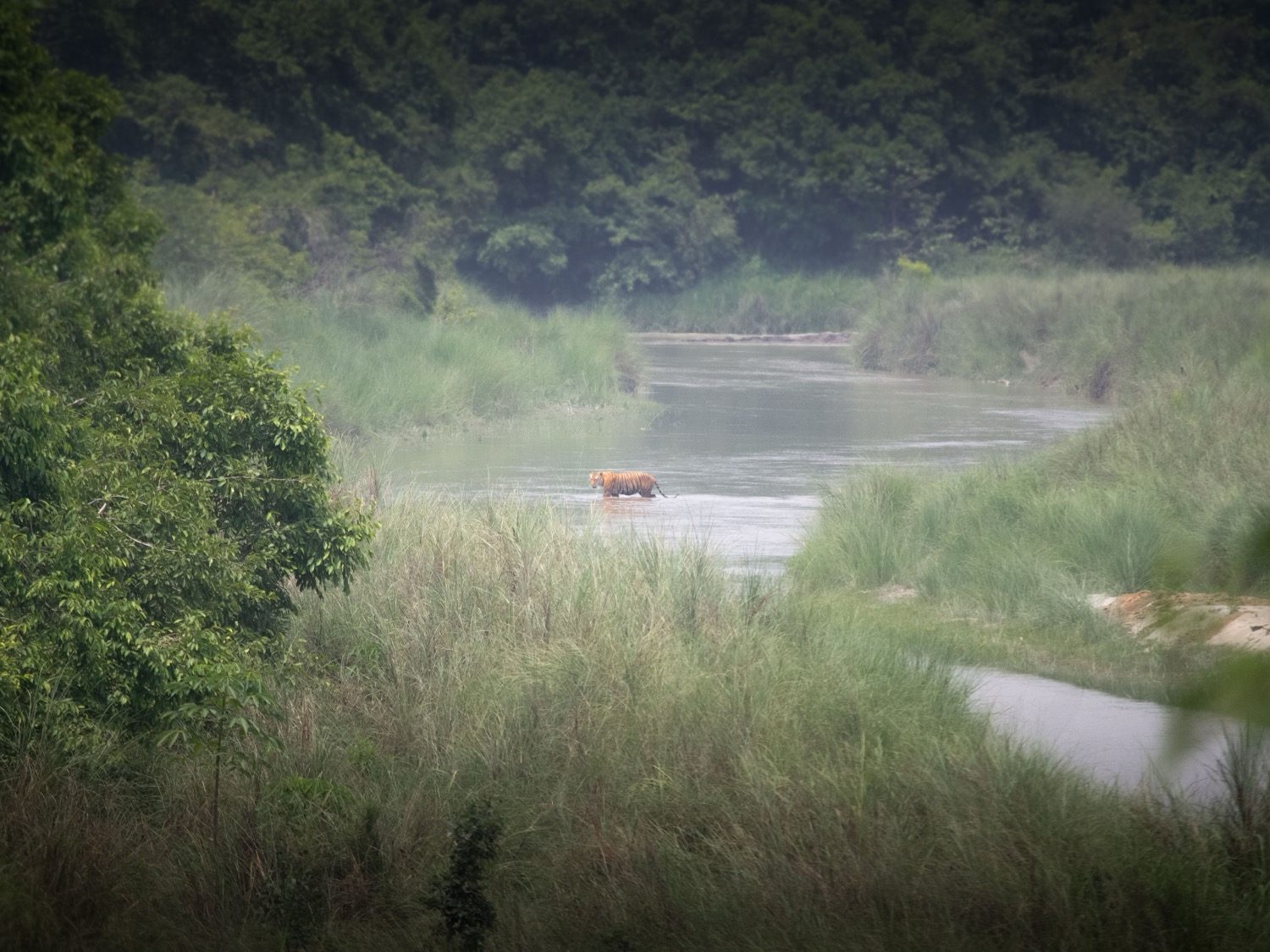
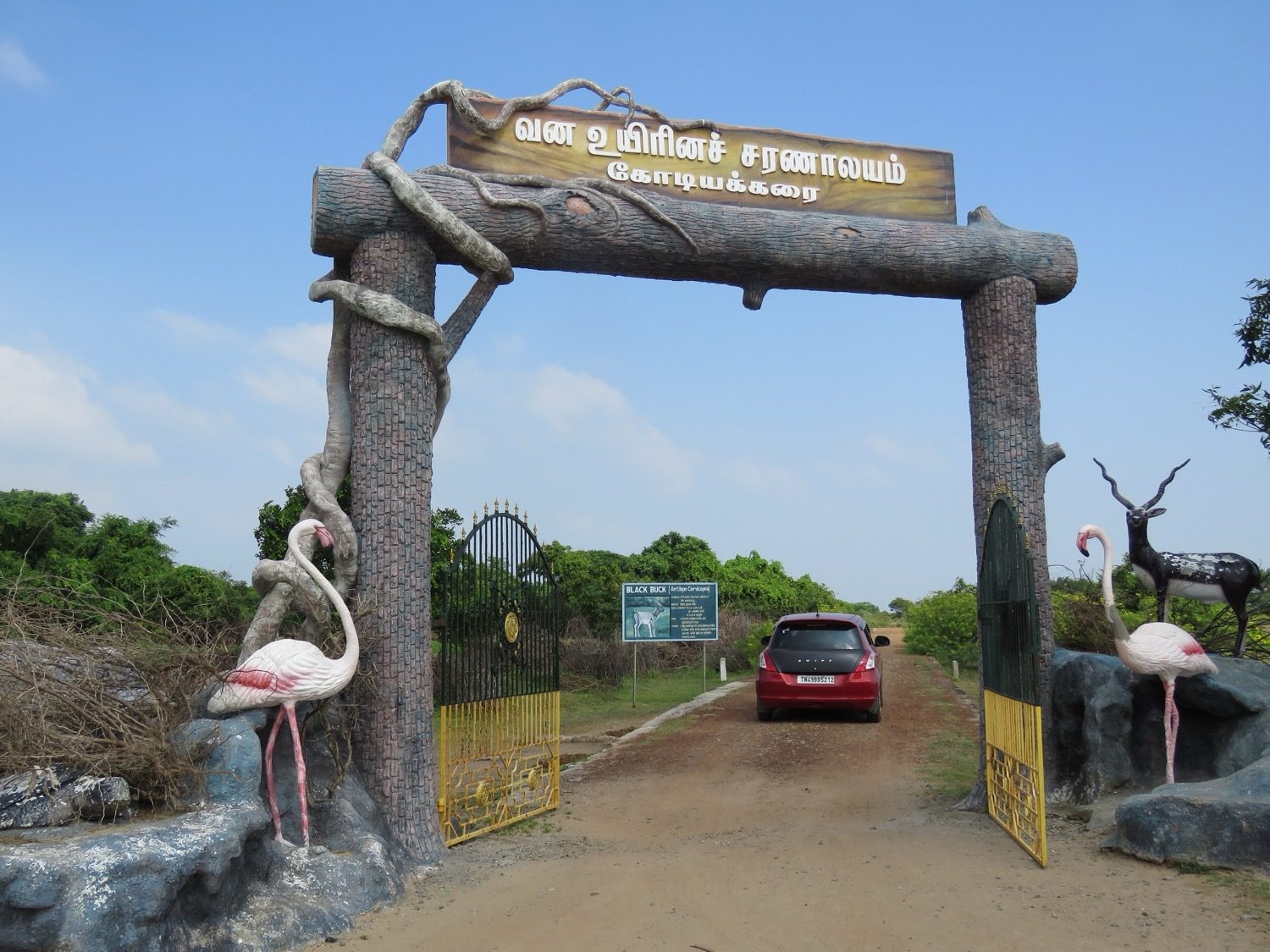
Conservation works two ways: in-situ — protecting species in the wild through national parks, sanctuaries and biosphere reserves — and ex-situ — safeguarding them off-site in zoos, botanical gardens and seed or gene banks.[1, 3]
| Aspect | In-situ | Ex-situ |
|---|---|---|
| Where | In-situ: in the wild, on site | Ex-situ: off site, in custody |
| Examples | national parks, sanctuaries, biosphere reserves | zoos, botanical gardens, seed/gene banks |
| Protects | whole habitats & natural processes | individual species & their genes |
| Best for | large populations & ecosystems | critically endangered species, breeding |
| Indian example | Jim Corbett NP, Nilgiri Biosphere | National Gene Bank (NBPGR), zoos |
Study task
Pick one endangered Indian species. Note its habitat, the main threat to it, and one in-situ and one ex-situ measure that protects it. Which biodiversity hotspot does it belong to?
Self-assessment
1. How many of the world's biodiversity hotspots lie (wholly or partly) in India?
2. Protecting a species inside a national park is an example of —
3. A species found only in one geographic area and nowhere else is called —
Recap
References & further reading
- [1]Anubha Kaushik & C.P. Kaushik, Perspectives in Environmental Studies. New Age International.
- [2]Ministry of Environment, Forest and Climate Change (MoEFCC), Government of India — National Biodiversity reports. https://moef.gov.in/
- [3]Wildlife Institute of India — protected areas and conservation resources. https://wii.gov.in/
- [4]Conservation International / Critical Ecosystem Partnership Fund — Biodiversity Hotspots. https://www.cepf.net/our-work/biodiversity-hotspots
- [5]E.P. Odum, Fundamentals of Ecology.
Further reading
- Erach Bharucha, Textbook of Environmental Studies (UGC) — strong on Indian biodiversity.
- Anubha Kaushik & C.P. Kaushik, Perspectives in Environmental Studies.
- Madhav Gadgil & Ramachandra Guha, This Fissured Land: An Ecological History of India.
Sources gathered and fact-checked June 2026. Published values vary by source, sample and method — treat as indicative and confirm against the cited standard before structural use.
The author
Amogh N P
Architect, interior designer, and creative polymath. Studio Matrx began in his notebooks — his vision of design made honest, useful, and open to everyone. Its Academy is written and taught in his memory, and free, forever.
More about Amogh →