
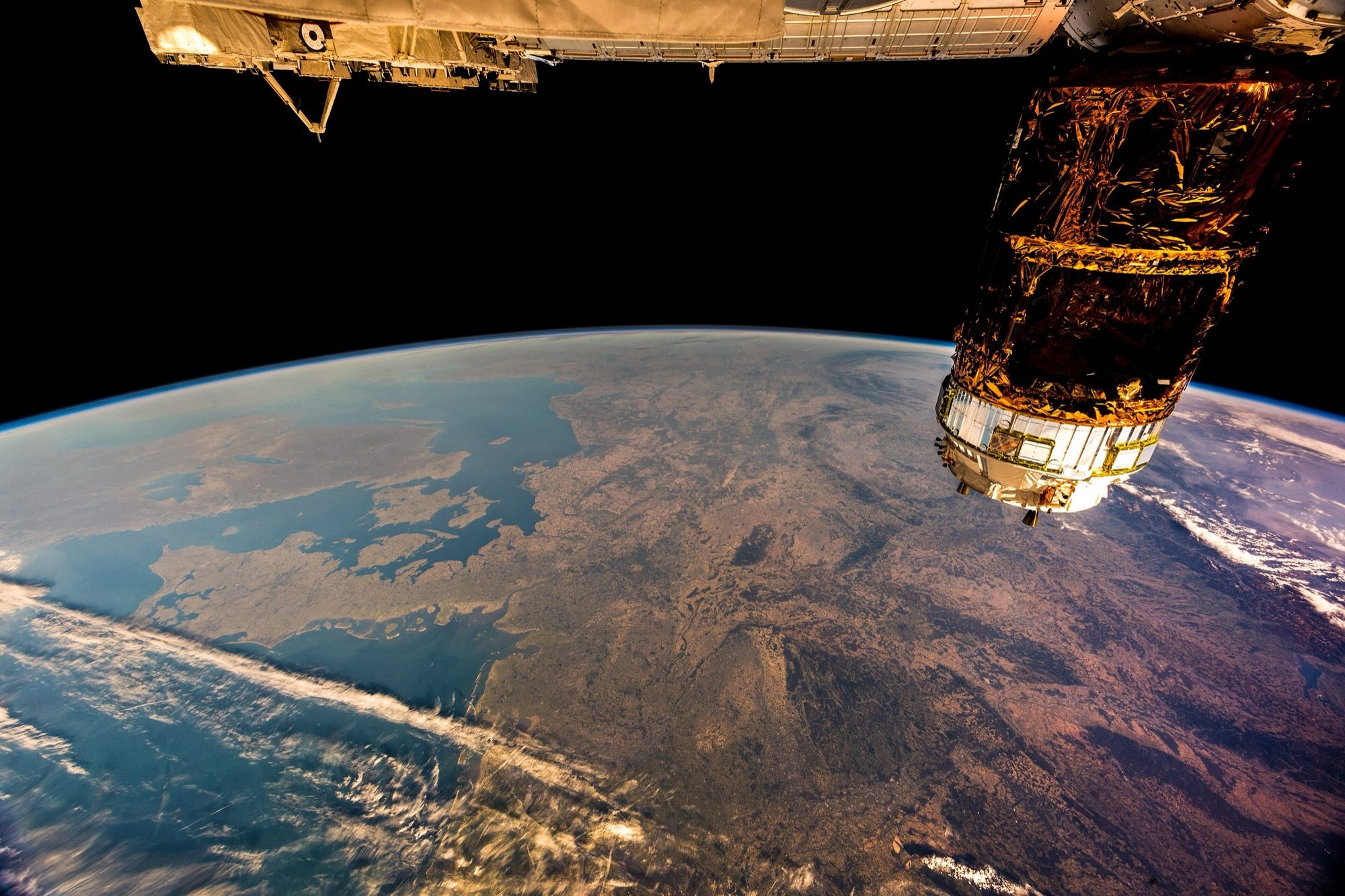
Natural Resources
Land, forest, water and energy — and what overuse costs.
Buildings and cities run on resources — land to stand on, timber and minerals to build with, water to live by, and energy to power it all. This unit sorts resources into renewable and non-renewable, and faces the cost of overusing them: eroded land, lost forests, falling water tables.
Learning objectives
By the end of this lesson, you will be able to — mapped to the course outcomes for Environmental Studies in Architecture:
Distinguish renewable from non-renewable resources with examples.
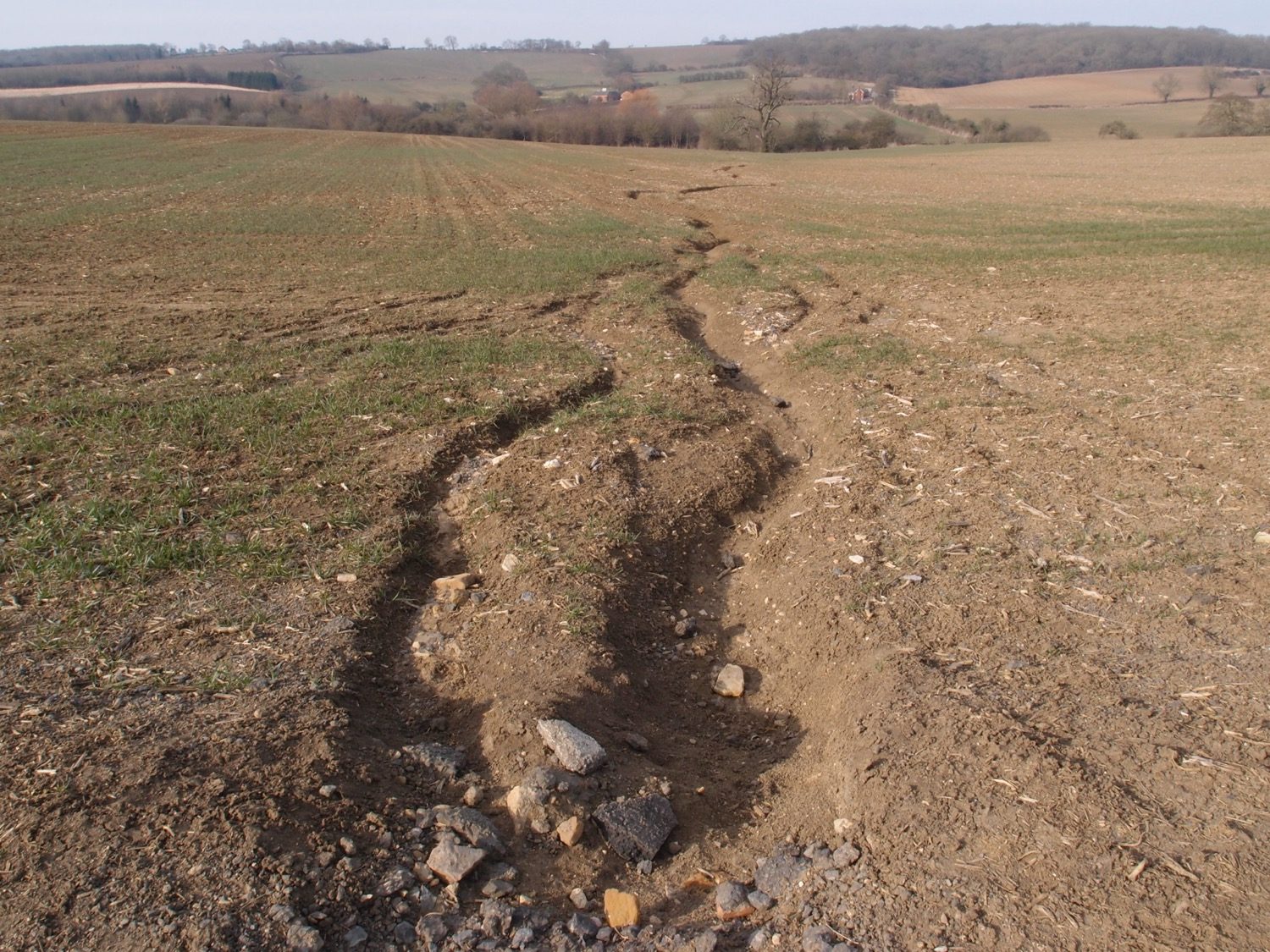
Explain land degradation — erosion, desertification and land-use change.
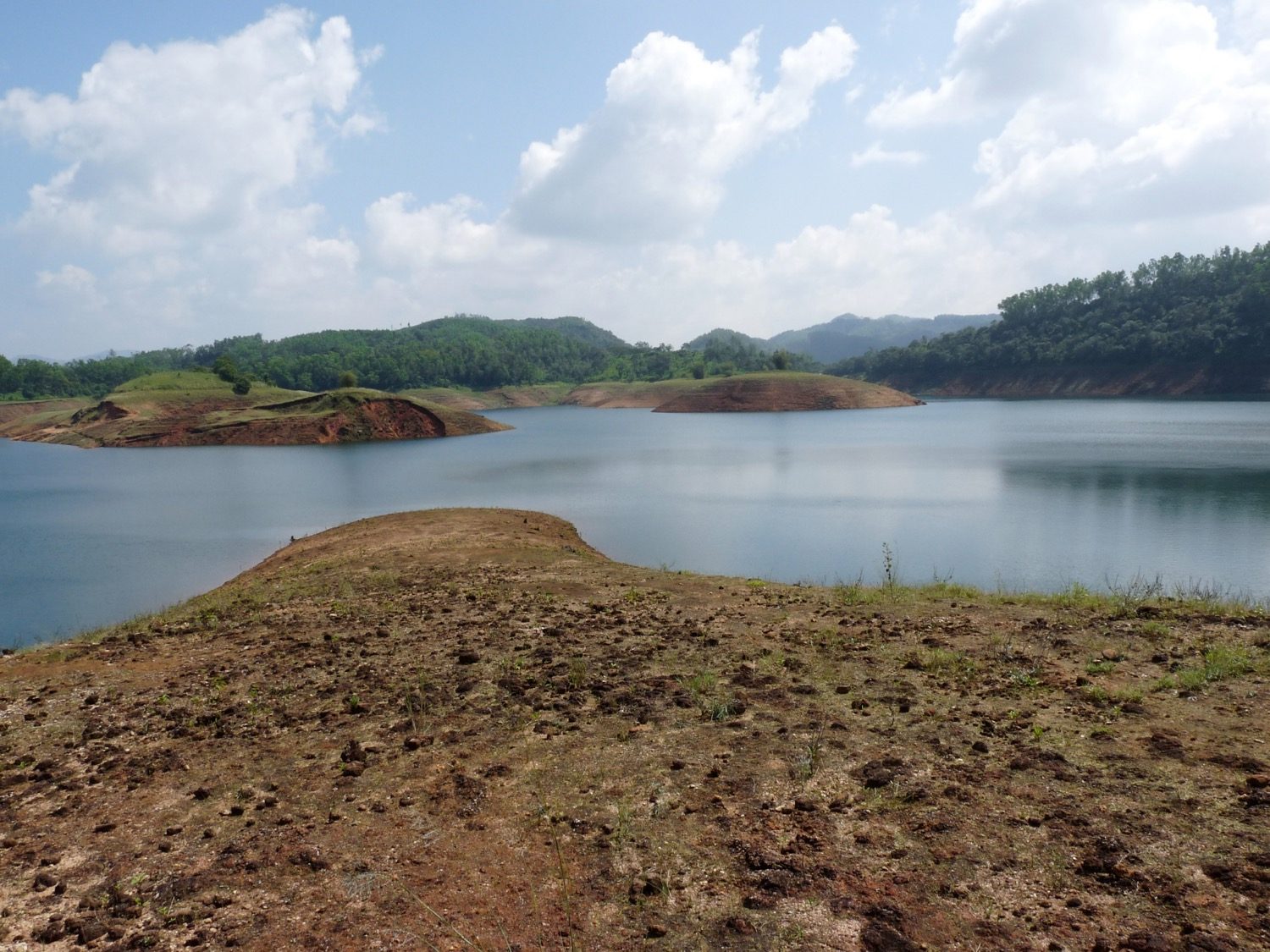
Account for the causes and impacts of deforestation and large dams.
Weigh the over-exploitation of water and the case for alternate energy.
Renewable & non-renewable
Renewable resources — sun, wind, water, forests, biomass — replenish within a human lifetime; non-renewable ones — coal, oil, gas, minerals — took millions of years to form and will not return. Even renewables can be degraded if used faster than they recover.[1, 3]
| Aspect | Renewable | Non-renewable |
|---|---|---|
| Stock | Renewable: replenished naturally | Non-renewable: finite, exhaustible |
| Timescale | regenerates within a lifetime | forms over millions of years |
| Examples | solar, wind, water, forests, biomass | coal, oil, natural gas, minerals |
| Pollution | generally low at use | high (combustion, mining) |
| Risk | overuse can still degrade (forests, water) | depletion + climate impact |
Land & forests
Soil takes centuries to form and is lost in a season to erosion; over-use turns dryland to desert. Forests — felled for farms, mining and dams — take biodiversity, water regulation and carbon with them, and displace the tribal communities who live in them.[1, 5]
Water & energy
Study task
For your own home or studio, list its main resource demands — water, electricity, materials — and note one renewable substitute or saving for each. Where does the electricity actually come from?
Self-assessment
1. Which set is entirely renewable?
2. The extreme end-state of severe land degradation in dry regions is —
3. A major social impact of large dams and deforestation is —
Recap
References & further reading
- [1]Anubha Kaushik & C.P. Kaushik, Perspectives in Environmental Studies. New Age International.
- [2]Ministry of New and Renewable Energy (MNRE), Government of India — annual reports. https://mnre.gov.in/
- [3]R. Rajagopalan, Environmental Studies: From Crisis to Cure. Oxford University Press.
- [4]Forest Survey of India, India State of Forest Report. Dehradun: FSI / MoEFCC. https://fsi.nic.in/
- [5]Daniel B. Botkin & Edward A. Keller, Environmental Science. Wiley.
Further reading
- Anubha Kaushik & C.P. Kaushik, Perspectives in Environmental Studies.
- Erach Bharucha, Textbook of Environmental Studies for Undergraduate Courses (UGC).
- R. Rajagopalan, Environmental Studies: From Crisis to Cure.
Sources gathered and fact-checked June 2026. Published values vary by source, sample and method — treat as indicative and confirm against the cited standard before structural use.
The author
Amogh N P
Architect, interior designer, and creative polymath. Studio Matrx began in his notebooks — his vision of design made honest, useful, and open to everyone. Its Academy is written and taught in his memory, and free, forever.
More about Amogh →