
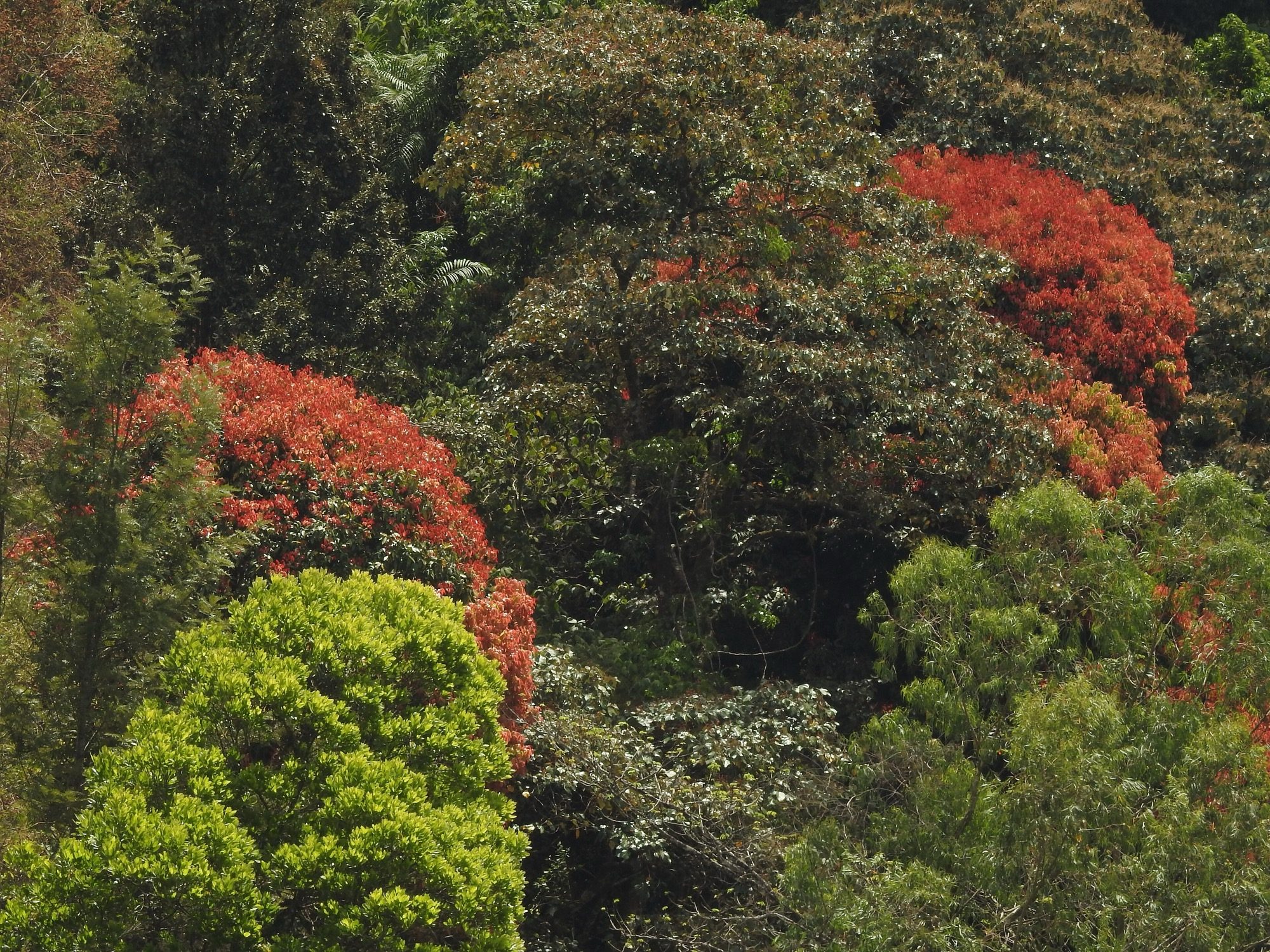
Environmental Studies & Ecosystems
How nature works — energy, food webs and the slow march of succession.
Every building sits inside a living system. Environmental studies is the science of those systems and of our impact on them — and for an architect it is the ground on which sustainable design is built. We begin with the ecosystem itself: how it is structured, how energy flows through it, and how it changes over time.
Learning objectives
By the end of this lesson, you will be able to — mapped to the course outcomes for Environmental Studies in Architecture:
Explain what an ecosystem is and name its biotic and abiotic parts.
Trace energy through a food chain and web, and state the 10% law.
Describe ecological succession from pioneer to climax community.
Identify the main ecosystem types and a local example of each.
What an ecosystem is
Energy flow & the 10% law
Energy enters as sunlight and flows one way up the food chain — but only about 10% passes at each step, the rest lost as heat. That is why food chains are short and top predators few. Many chains interlink into a food web.[6]
| Aspect | Grazing food chain | Detritus food chain |
|---|---|---|
| Starts from | energy from the sun | dead organic matter |
| First link | producer (green plant) | detritivore / decomposer |
| Example | grass → deer → tiger | leaf litter → earthworm → bird |
| Dominant in | grasslands, open water | forest floors, soils |
| Energy at each step | ≈ 10% passes on | ≈ 10% passes on |
Succession & ecosystem types
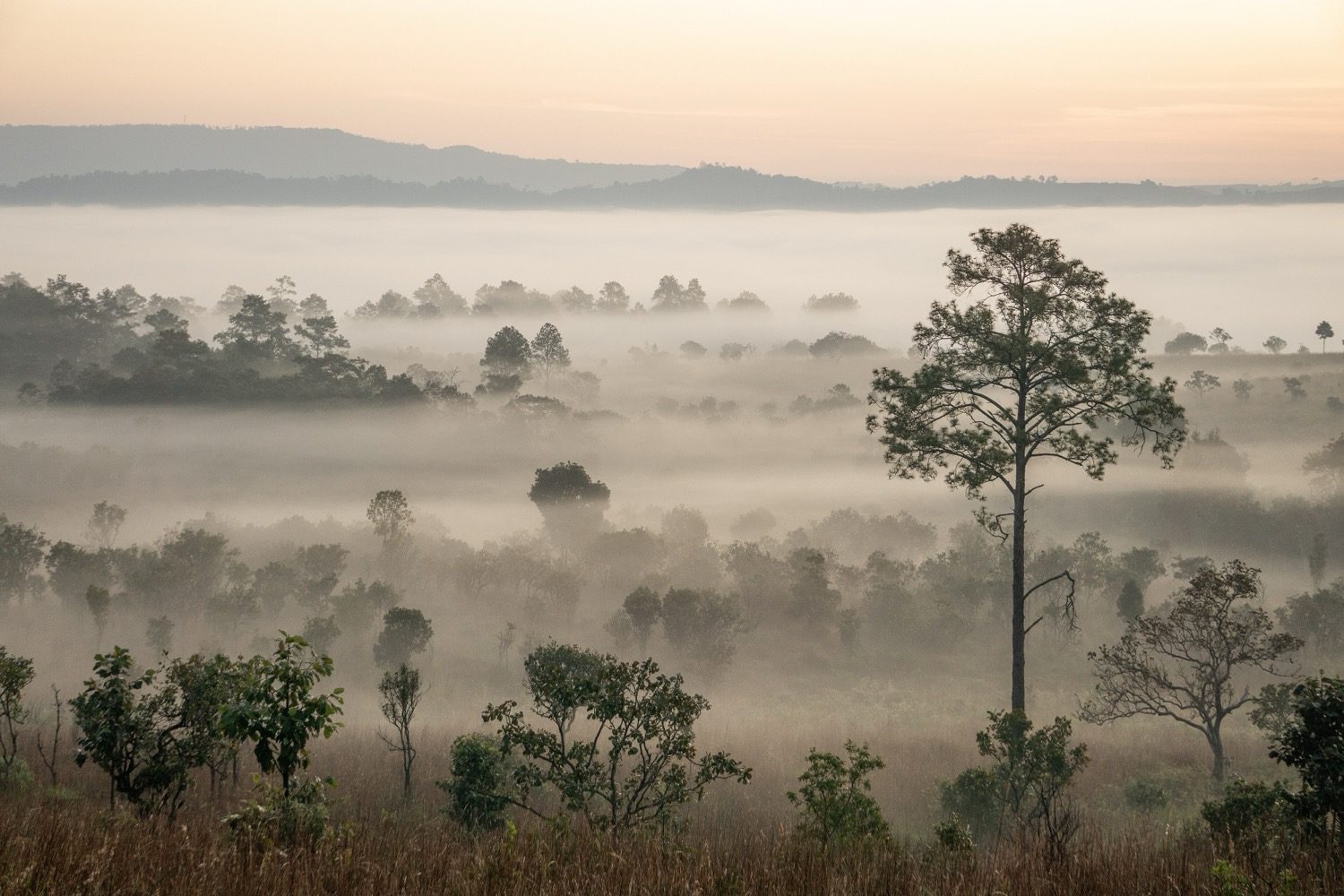
Communities change through ecological succession — bare ground is colonised by pioneers, then grasses, shrubs and finally a stable climax community. The great ecosystem types — forest, grassland, desert and aquatic — each have their own climate, productivity and species.[1]
Study task
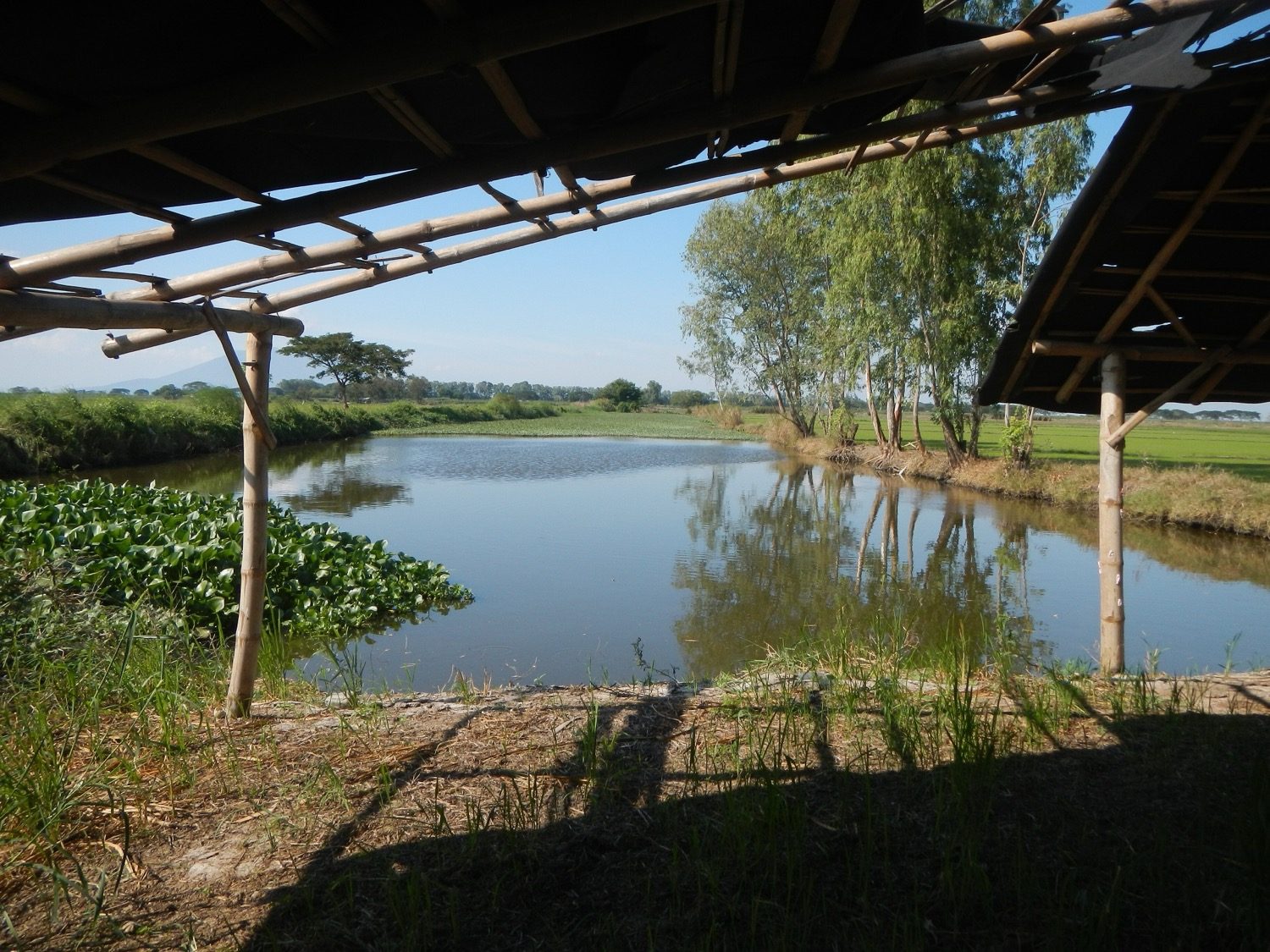
Visit or recall a local ecosystem — a pond, a park, a patch of scrub. Draw its food web with at least two producers, two consumers and a decomposer, and mark where energy is lost as heat.
Self-assessment
1. Roughly how much energy passes from one trophic level to the next?
2. Ecological succession ends in a relatively stable community called the —
3. Decomposers in an ecosystem are essential because they —
Recap
References & further reading
- [1]Anubha Kaushik & C.P. Kaushik, Perspectives in Environmental Studies. New Delhi: New Age International.
- [2]Daniel B. Botkin & Edward A. Keller, Environmental Science: Earth as a Living Planet. John Wiley & Sons.
- [3]R. Rajagopalan, Environmental Studies: From Crisis to Cure. Oxford University Press, 2016.
- [4]UGC / Bharati Vidyapeeth, A Textbook for Environmental Studies (the AICTE/UGC core module).
- [6]E.P. Odum & G.W. Barrett, Fundamentals of Ecology. Philadelphia: Saunders / Cengage.
Further reading
- Anubha Kaushik & C.P. Kaushik, Perspectives in Environmental Studies — the standard Indian text.
- E.P. Odum, Fundamentals of Ecology.
- R. Rajagopalan, Environmental Studies: From Crisis to Cure.
Sources gathered and fact-checked June 2026. Published values vary by source, sample and method — treat as indicative and confirm against the cited standard before structural use.
The author
Amogh N P
Architect, interior designer, and creative polymath. Studio Matrx began in his notebooks — his vision of design made honest, useful, and open to everyone. Its Academy is written and taught in his memory, and free, forever.
More about Amogh →