Amogh N P
 In loving memory of Amogh N P — Architect · Designer · Visionary 
Tone and Texture — Value scales, light logic, and material marks
Lesson 04Module 1 · The visual vocabulary

Tone and Texture

Value scales, light logic, and material marks

3 hours studio

Learning objectives

By the end of this lesson, students will be able to:

  • Build a nine-step value scale and match observed values to it.
  • Render tone with four techniques: hatching, cross-hatching, stippling, and scribbling/tonal massing.
  • Map light logically across simple solids: highlight, light, shadow, core shadow, reflected light, and cast shadow.
  • Suggest material texture (brick, concrete, timber, glass) economically rather than drawing every unit.
The Nine-Step Value Scale Hold this against your work to check that your darks are dark enough. 1 2 3 4 5 6 7 8 9 white mid grey black light → dark, in even steps A drawing reads well when it uses the full range: keep highlights near step 1–2, mid-tones around step 4–5, and push your deepest shadows toward step 8–9. If everything sits between steps 3 and 6, the image will look flat and grey.
DiagramA nine-step value scale to hold against your work.
The Six Light Zones One light source. The same six zones describe every rounded or faceted form. light source SPHERE highlight light core shadow reflected light shadow cast shadow CUBE highlight light core shadow (edge) shadow reflected light cast shadow CYLINDER highlight light core shadow reflected light shadow cast shadow The core shadow is the darkest band — darker than the cast shadow, because no reflected light reaches it.
DiagramThe six light zones mapped on sphere, cube, and cylinder.
A Texture Library: Economical Marks Suggest the material with the fewest possible marks — let the eye complete the rest. brick stone concrete timber glass foliage water fabric metal grass Vary spacing and pressure to read as light or dark; never fill an entire surface — texture is a sample, not a coat of paint.
DiagramEconomical marks for ten common building materials.
A street photo reduced to two, four, and eight values.
PhotoA street photo reduced to two, four, and eight values.
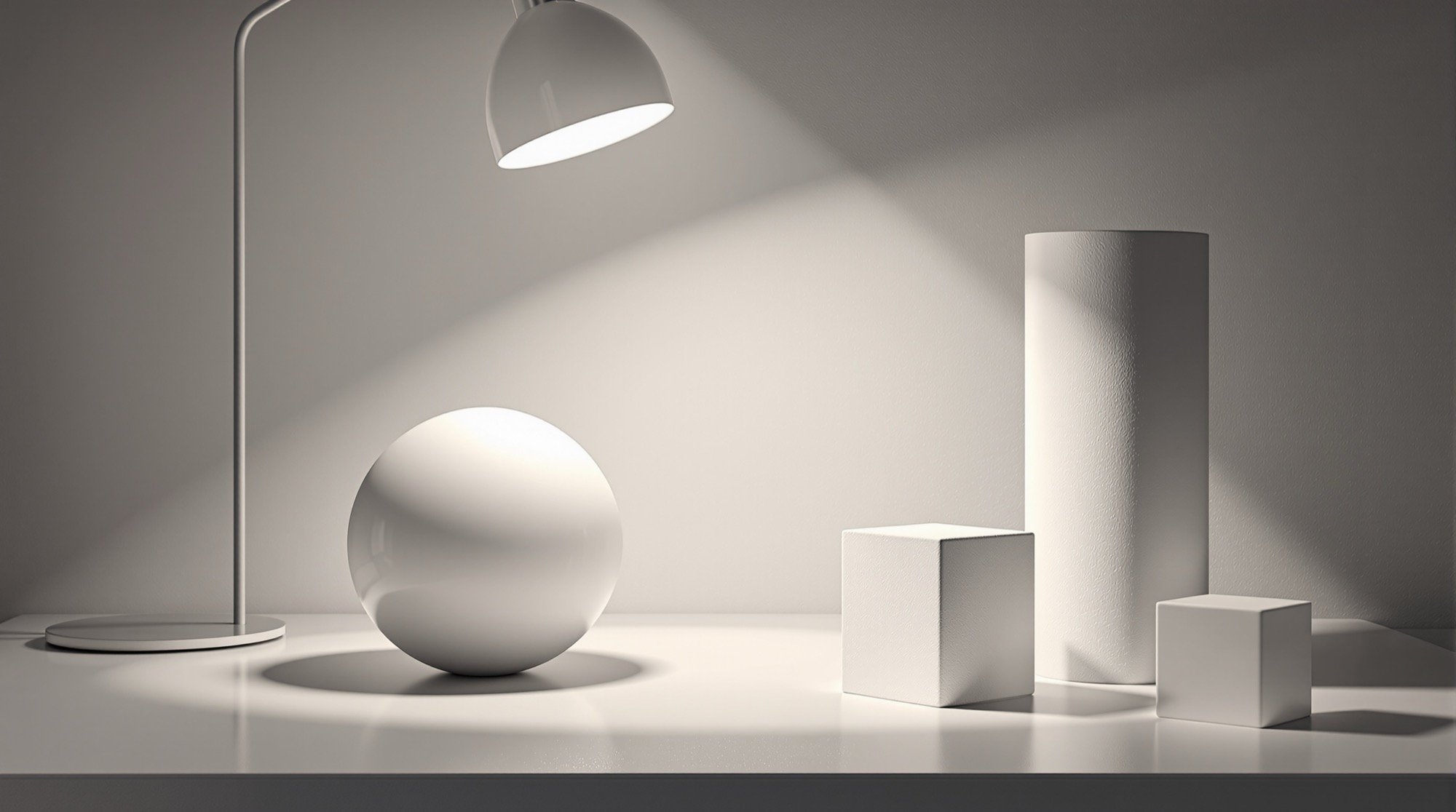
Solids under a single lamp — a tonal-study set-up.
ReferenceSolids under a single lamp — a tonal-study set-up.
Interactive · drag the value

The nine-step value scale

Slide through the scale. The same scene reads completely differently depending on which value you place where — squint and you see big tonal shapes, not lines.

Value 5 of 9

Mid-tone — the light family of most surfaces.

Key concepts

  • Value range and value pattern: squinting to reduce a scene to three or four big tonal shapes before detailing.
  • Tone describes light; texture describes surface — and the same mark can do both.
  • Economy of texture: drawing a patch and letting the eye complete the field.
  • How paper white is a tool — reserving highlights instead of erasing them.

In-class activities & exercises

Value scales (30 min)Nine-step scales in pencil and in pen hatching.
Sphere, cube, cylinder study (45 min)Single lamp light source; students label the six light zones on each solid.
Texture library (40 min)A 12-cell grid where students invent economical marks for brick, stone, glass, foliage, water, fabric, etc.
Tonal landscape (45 min)A campus or street view rendered in exactly four values, no lines allowed.
Critique (20 min)Drawings viewed from across the room to test value pattern strength.

Worked example sketches

How the technique looks in practice — loose, hand-drawn examples. Scroll to watch each one draw in; click to zoom.

Four-value study — lamplit corner one light source, mostly tone
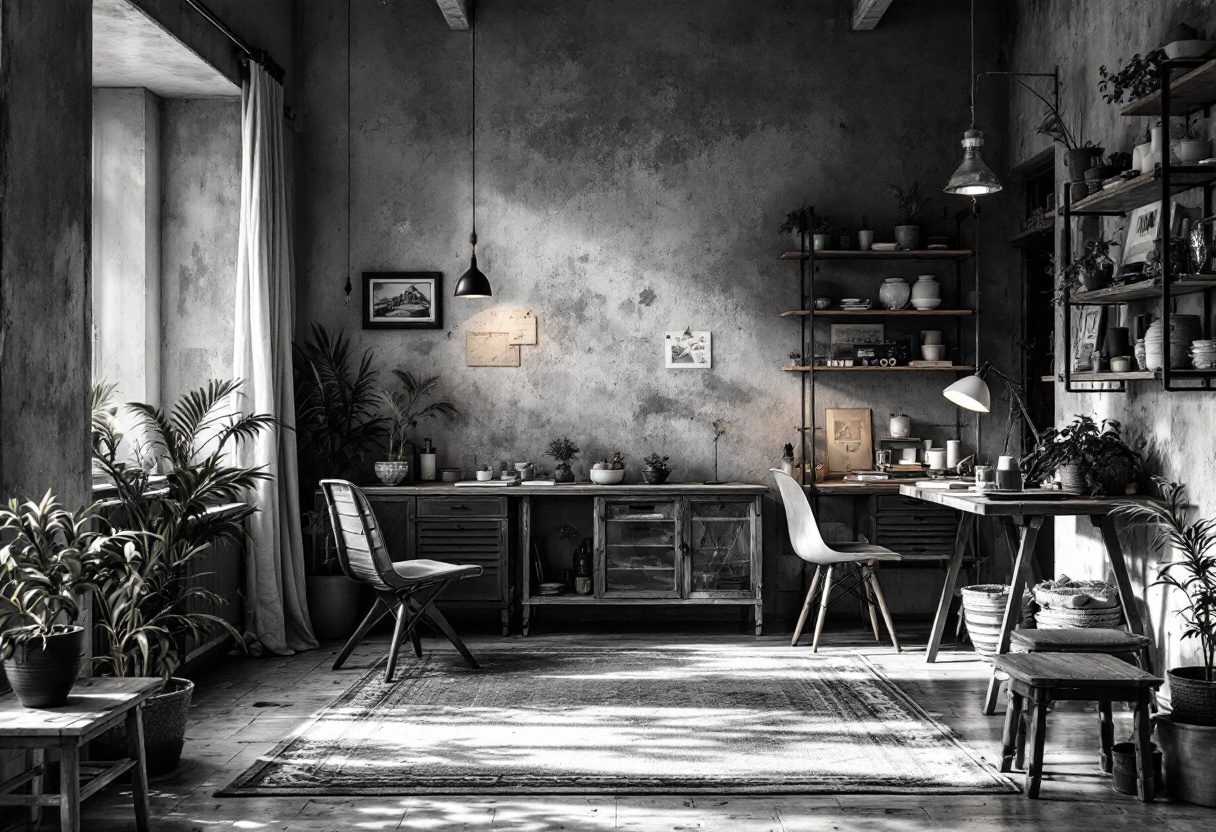
DiagramA room corner at night under one lamp — a four-value tonal study.
Texture swatches say the material with the fewest marks brick timber foliage glass
DiagramMaterial texture swatches: brick, timber, foliage, glass.
Full value range — apple highlight · light · core shadow · cast shadow
DiagramAn apple rendered with the full light-to-shadow range.
Three solids, one light light from upper left · shadows fall lower right highlight · light · core shadow · reflected light · cast shadow
DiagramSphere, cube and cylinder under one light, fully shaded.

Homework / studio assignment

One A4 tonal study of a home interior corner at night under a single lamp, using any one technique consistently.

Assessment

Rubric on value accuracy, technique consistency, and light logic on the solids study.