
Electrical Systems & Illumination
Power safely in — and the right amount of light on the desk.
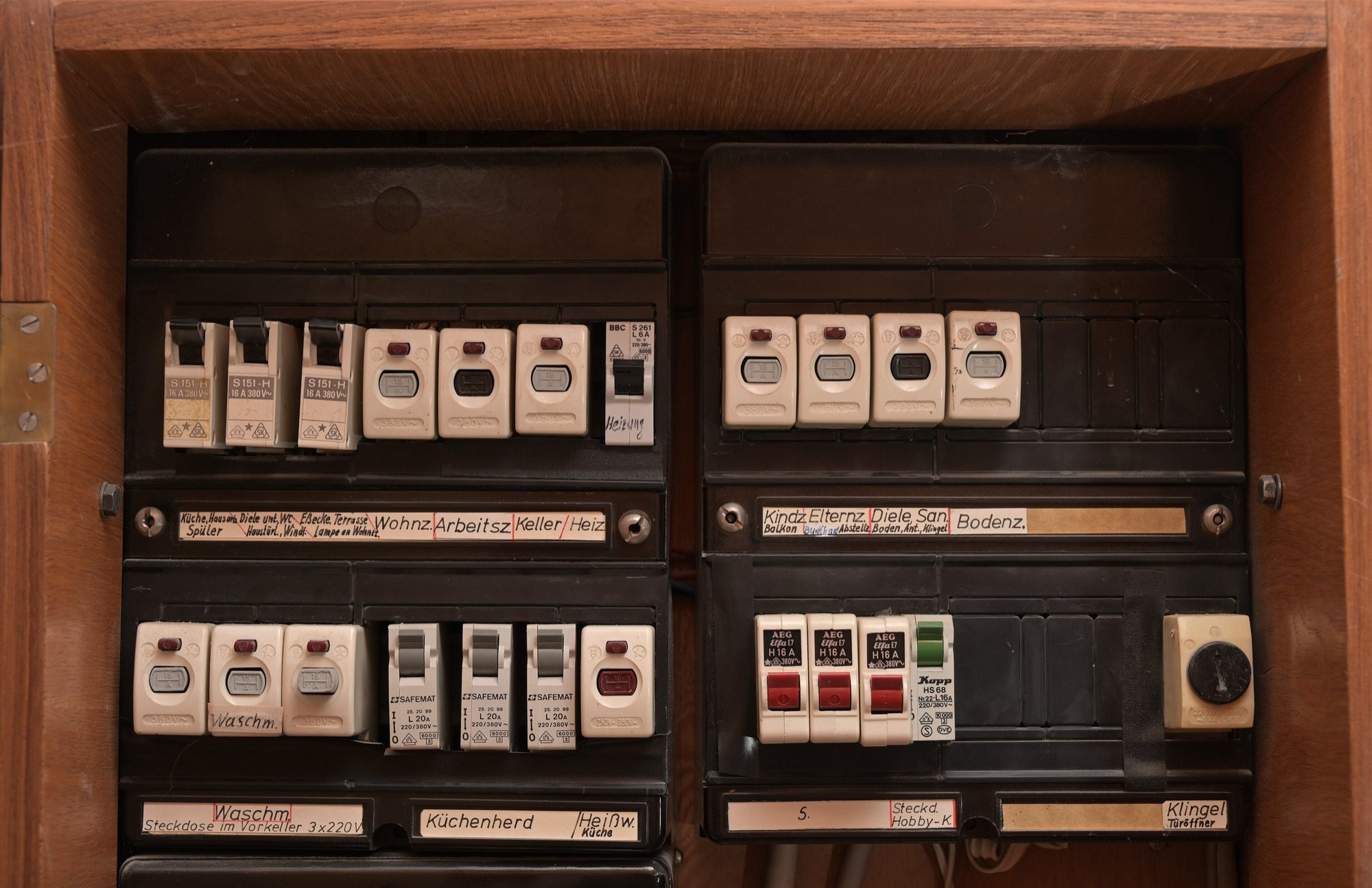
Two halves of the same unit. First the supply that must arrive safely — single- and three-phase power, the breakers that protect against fire and shock, and the earthing that gives a fault somewhere safe to go. Then the light that supply produces — measured in lumens, candela and lux, and sized for a room by the lumen method.
Learning objectives
By the end of this lesson, you will be able to — mapped to the course outcomes for Concept of Building Services:
Distinguish single- and three-phase supply and the role of earthing.
Identify protective devices — fuse, MCB and ELCB/RCCB — and what each protects against.
Use the photometric quantities (lumen, candela, lux) and the laws of illumination.
Apply the lumen method to size the lighting for a room.
The supply, safely
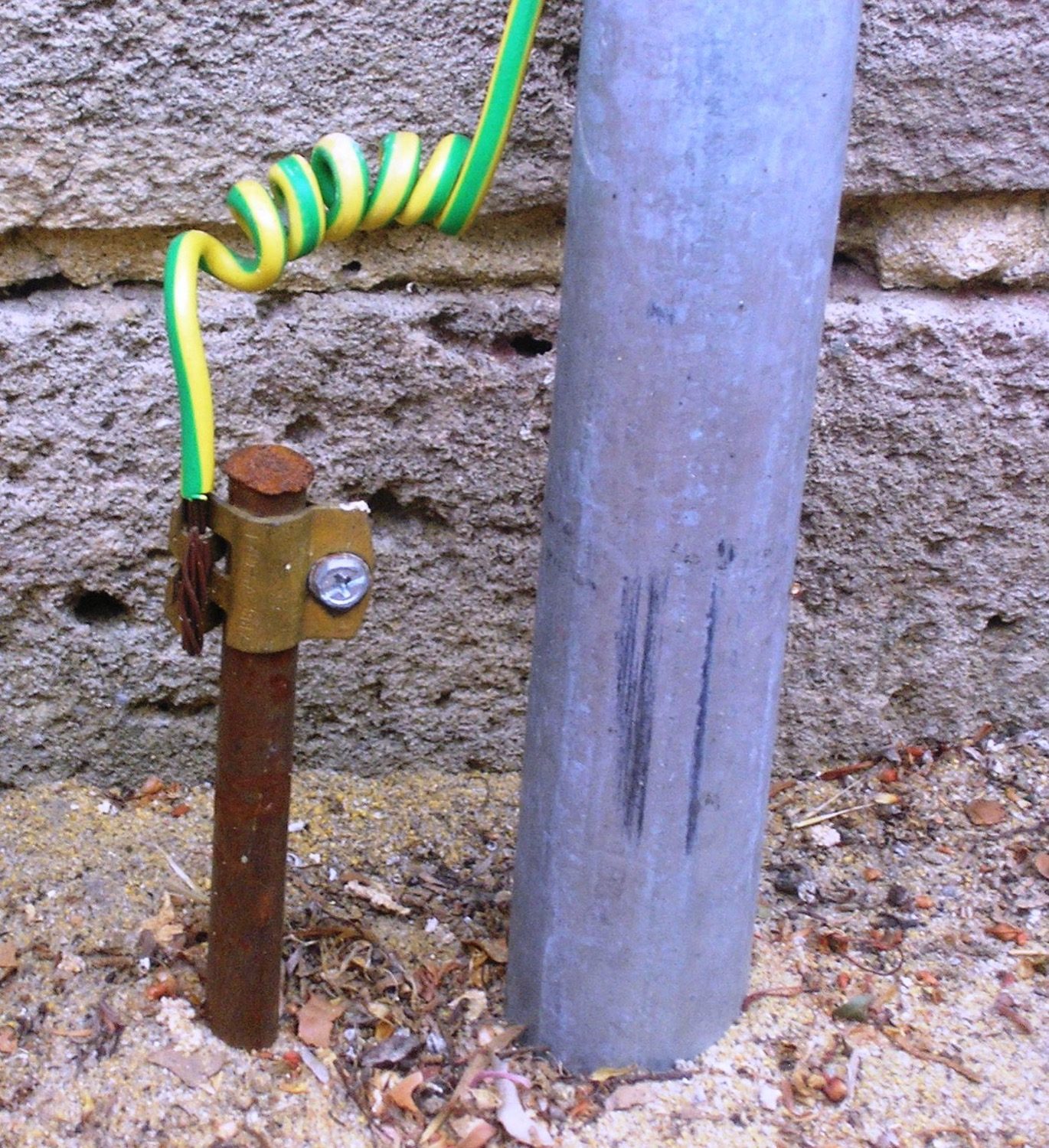
Single-phase 230 V serves small loads, three-phase 415 V the heavy ones. MCBs guard against overcurrent and ELCBs against earth leakage (shock); earthing bonds every metal body to ground.[1, 8, 9]
Light, measured and designed
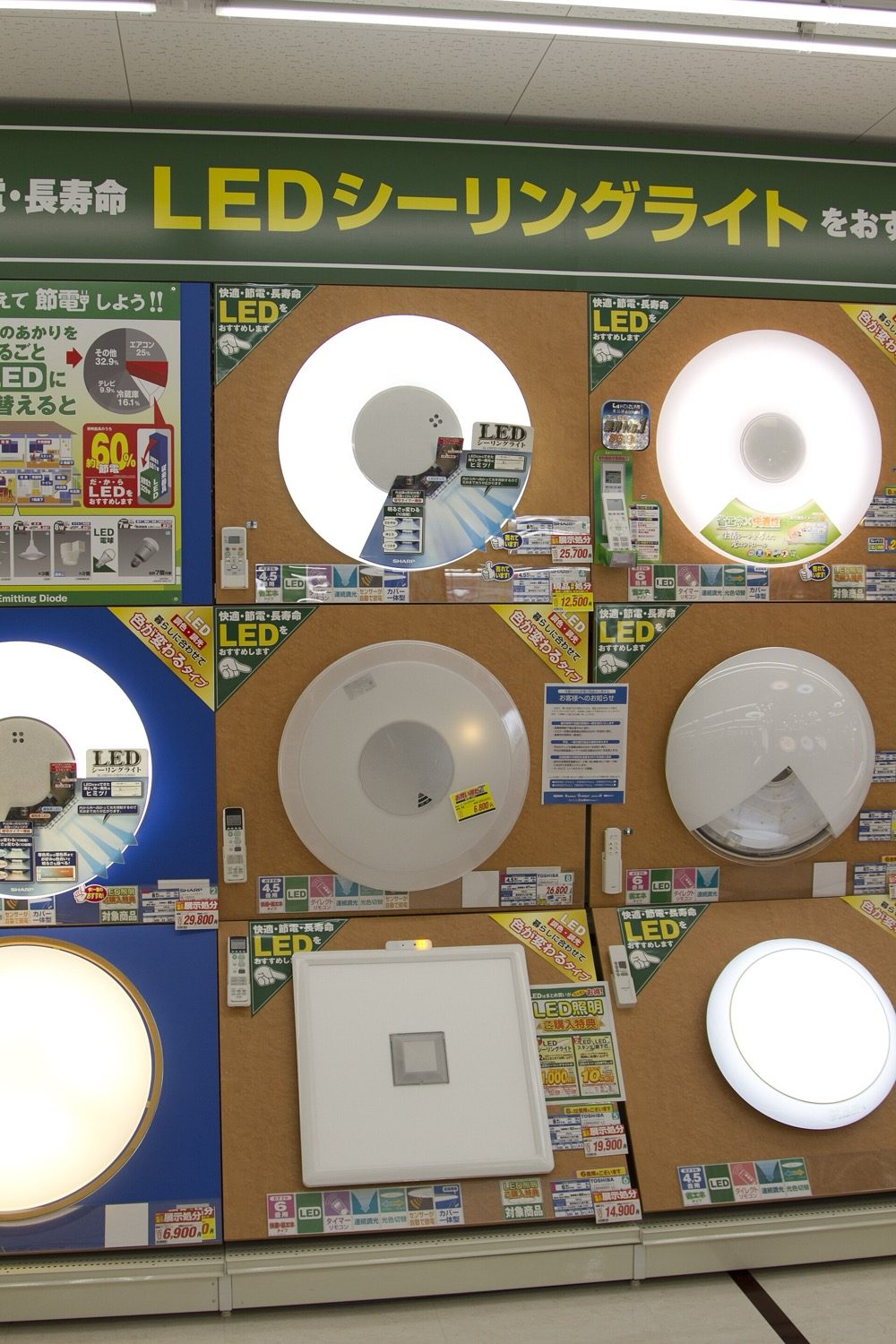
A lamp's output is lumens, its intensity candela, and the light landing on a desk lux. Illumination falls by the inverse-square and cosine laws, and the lumen method turns a target lux into a count of fittings.[10, 11]
Light a room
A 6 × 4 m office at 300 lux with 4000-lumen panels (UF 0.5, MF 0.8) needs five fittings. Change the room, the target lux and the fitting and watch the count — always rounded up.
Lumen method · how many fittings
N = (E × A) / (Φ × UF × MF), rounded up. Target lux: ~150–300 living, 300–500 office, 500–750 drawing office.
0.0 m²
Area A
0
Fittings needed
0.00
Exact (before rounding)
0 lux
Achieved illuminance
Always round up so the room meets or exceeds the target lux.
The distinctions that matter
| Aspect | One | The other |
|---|---|---|
| Wires / voltage | Single-phase: 2-wire, 230 V | Three-phase: 4-wire, 415 V |
| Protects against | MCB: overcurrent | ELCB/RCCB: earth leakage (shock) |
| Light quantity | Lumen: total from source | Lux: landing on the surface |
| Illumination law | Inverse-square: distance E = I/d² | Cosine: angle E = I·cosθ/d² |
| Colour synthesis | Additive (RGB light) → white | Subtractive (CMY pigment) → black |
Key terms
2-wire 230 V AC for homes and small loads.
4-wire 415 V (line-to-line) for motors and heavy loads.
Miniature Circuit Breaker — trips on overcurrent (not earth leakage).
Earth-leakage breaker — trips on leakage to earth for shock protection.
Bonding metal parts to an earth electrode for a safe fault path (IS 3043).
Total light (lumen), light per direction (candela), light on a surface (lux).
Fraction of luminaire flux reaching the working plane.
Allowance (<1) for dirt and lamp ageing.
Worked example
For a 6 m × 4 m office (A = 24 m²) needing 300 lux, with 4000 lm panels, UF 0.5 and MF 0.8: N = (300 × 24) / (4000 × 0.5 × 0.8) = 7200 / 1600 = 4.5 → 5 fittings. Drop the maintenance factor and you would wrongly need fewer — and the room would dim below target as it ages.
Self-assessment
1. Which device protects against earth leakage (electric shock)?
2. The SI unit of illuminance (light landing on a surface) is the —
3. By the lumen method, a 24 m² room needing 300 lux with 4000 lm fittings (UF 0.5, MF 0.8) needs —
Recap
References & further reading
- [1]NBC 2016 — National Building Code of India, Part 8: Building Services, Section 2 (Electrical and Allied Installations). Bureau of Indian Standards.
- [8]IS 732 — Code of Practice for Electrical Wiring Installations. Bureau of Indian Standards.
- [9]IS 3043:2018 — Code of Practice for Earthing. Bureau of Indian Standards.
- [10]IS 3646 (Part 1):1992 — Code of Practice for Interior Illumination. Bureau of Indian Standards.
- [11]CIBSE / IES — Lighting design references (lumen method, recommended illuminance schedules).
Further reading
- C.L. Wadhwa, Generation, Distribution and Utilisation of Electrical Energy. New Age International.
- NBC 2016, Part 8 Section 2 — Electrical and Allied Installations.
- Fred Hall & Roger Greeno, Building Services Handbook. Routledge.
Sources gathered and fact-checked June 2026. Published values vary by source, sample and method — treat as indicative and confirm against the cited standard before structural use.
The author
Amogh N P
Architect, interior designer, and creative polymath. Studio Matrx began in his notebooks — his vision of design made honest, useful, and open to everyone. Its Academy is written and taught in his memory, and free, forever.
More about Amogh →