

Management, Allied Streams & Communicating Your Career
The business of building — and how to present yourself.
The last stream is the widest — the business of building and the allied creative careers, from project management to BIM to journalism and set design. And then the part that matters most right now: how you communicate your own career, through the portfolio, the CV and the interview.
Learning objectives
By the end of this lesson, you will be able to — mapped to the course outcomes for Building Materials & Construction I:
Survey the management and allied career streams.
Describe what makes a strong architecture portfolio.
Write a concise architecture CV and prepare for an interview.
Frame a project in a clear one-line pitch and present it well.
Management & allied streams
Where an architecture degree becomes a launchpad into adjacent professions. Select a topic.
The business of building
Architects move naturally into project & construction management (the time-cost-quality triangle; the rise of PMC), real estate & development (on the client side; RERA, 2016), and facility management (operating buildings after handover).[1]


Your portfolio
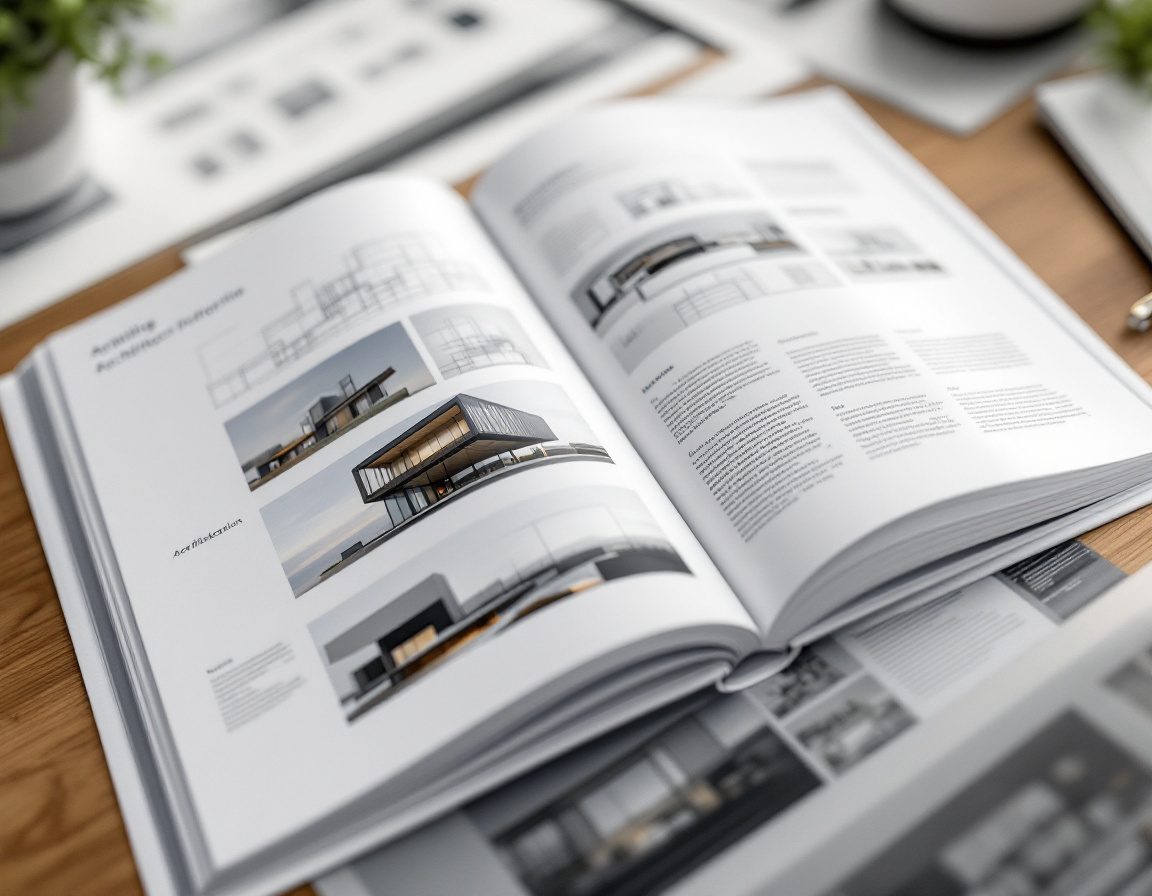
Whatever stream you pick, you will be judged first by your portfolio. Curate it like a designer — a few strong projects, one clear story, your process on show.[4]
CV, interview & the pitch
The CV is one tailored page; the interview is a conversation about your work; and every project needs a one-line pitch. Lead with the concept, let the drawings carry the argument — and listen.[5, 6]
Self-assessment
1. A strong architecture portfolio favours:
2. The project 'elevator pitch' is:
3. A design critique should be treated as:
Recap
References & further reading
- [1]Project Management Consultancy (time-cost-quality); RERA (2016); facility management. Construction Placements / IFMA. https://www.constructionplacements.com/project-management-consultants/
- [2]BIM and computational design as growing careers in India. Novatr. https://www.novatr.com/blog/bim-professional-jobs
- [3]Architectural journalism & criticism; architects in film/set design. ArchDaily / RTF. https://www.archdaily.com/993671/can-architectural-journalism-shape-the-future-of-the-profession
- [4]Architecture portfolio best practice — curate, narrate, show process. ArchDaily / Archisoup. https://www.archdaily.com/780996/12-tips-on-making-an-architecture-portfolio
- [5]The architecture CV and surviving a crit/interview. Archisoup / First In Architecture. https://www.archisoup.com/architecture-resume-guide
- [6]Lead with the concept; the project narrative & the elevator pitch. Architizer / Learn Architecture. https://architizer.com/blog/practice/details/young-architect-guide-narrative/
Further reading
- Ching, F.D.K. (2023). Architectural Graphics (7th ed.). Hoboken, NJ: Wiley.
- Laseau, P. Graphic Thinking for Architects and Designers (3rd ed.). New York: Wiley.
Sources gathered and fact-checked June 2026. Published values vary by source, sample and method — treat as indicative and confirm against the cited standard before structural use.
The author
Amogh N P
Architect, interior designer, and creative polymath. Studio Matrx began in his notebooks — his vision of design made honest, useful, and open to everyone. Its Academy is written and taught in his memory, and free, forever.
More about Amogh →