
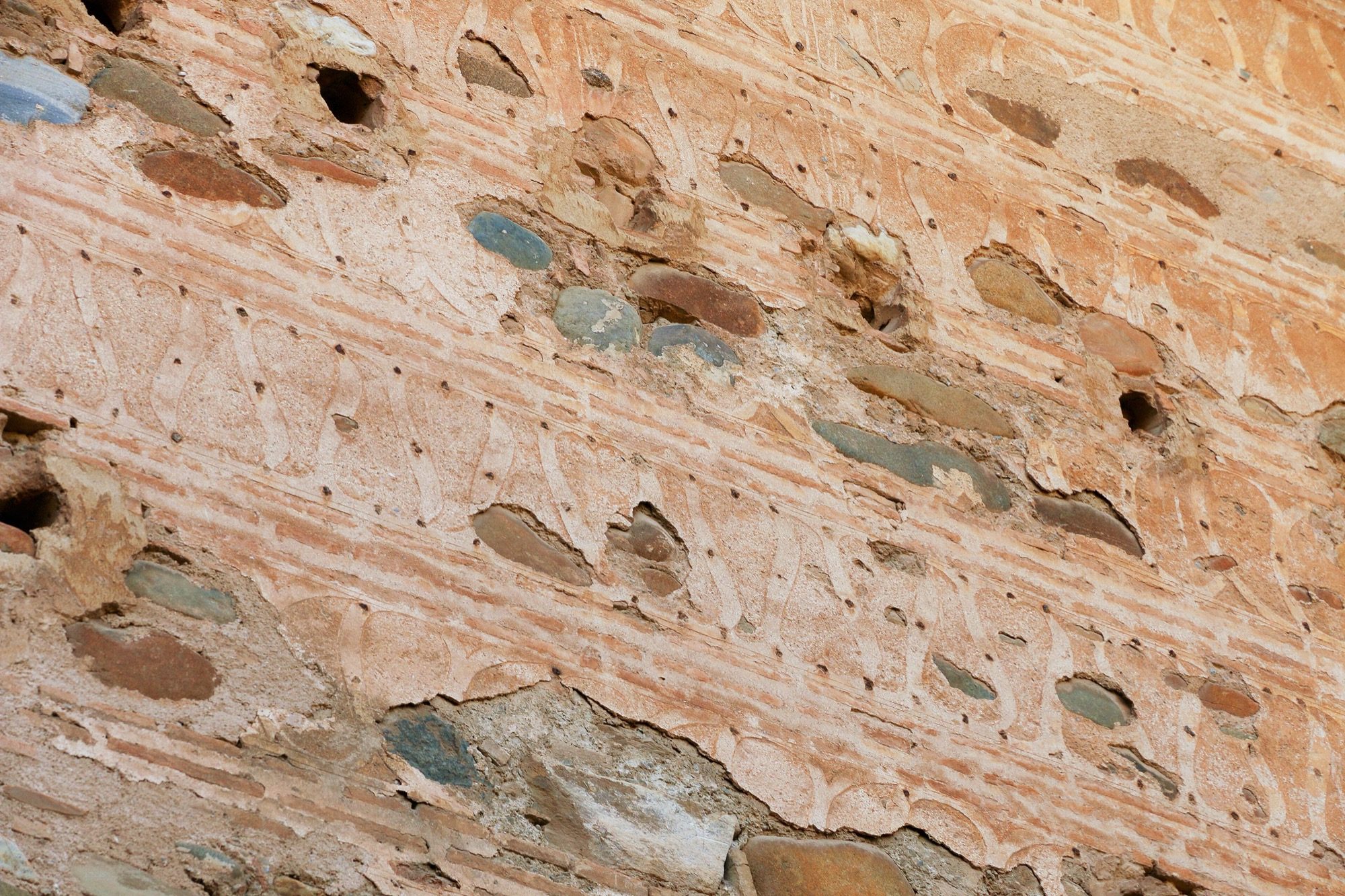
Mud, Stone & Lime
The three earthen materials that built India before cement.
Long before cement, India built — magnificently — from three materials dug from the ground: mud, stone and lime. They are low-energy, breathable and, handled well, extraordinarily durable. This lesson covers the earthen techniques, stone masonry from rough rubble to fine ashlar, and lime — the self-healing binder that gives back the carbon it took.
Learning objectives
By the end of this lesson, you will be able to — mapped to the course outcomes for Building Materials & Construction I:
Describe the main earthen techniques — adobe, cob, rammed earth, wattle-and-daub, CSEB.
Explain why earth works (thermal mass, low energy) and where it is weak (water, tension).
Distinguish rubble from ashlar stone masonry and the role of the through-stone.
Walk through the lime cycle and tell fat lime from hydraulic lime.
Building with earth
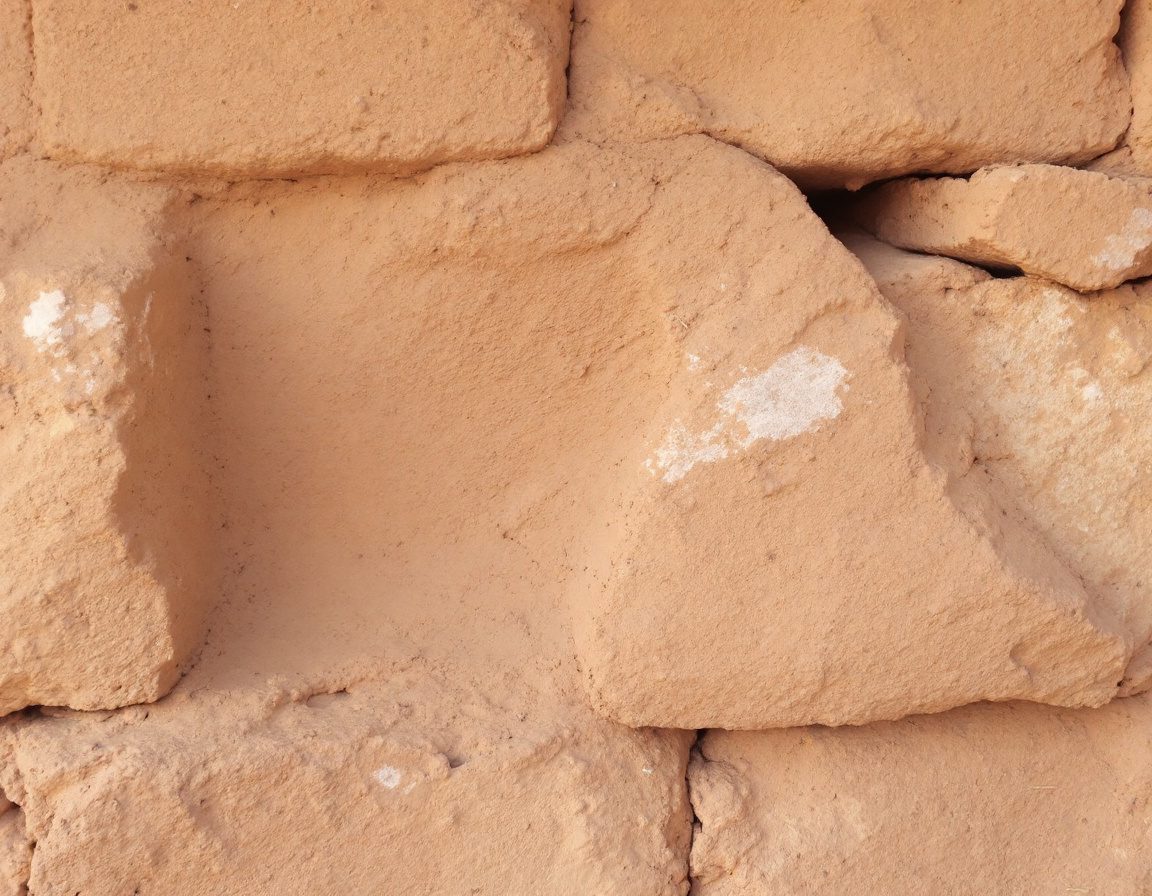
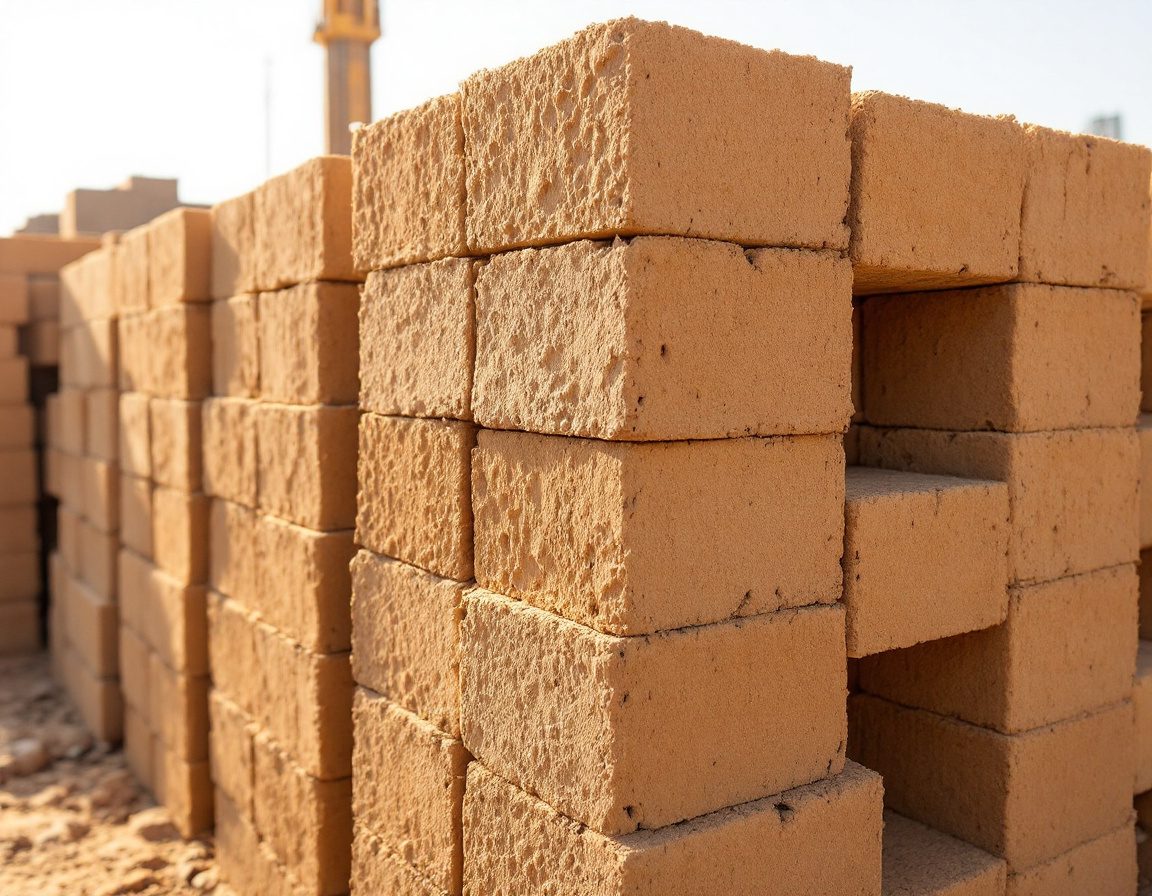
Earth is the most abundant building material on the planet. It can be moulded into bricks, rammed into walls, or piled by hand — and it keeps interiors cool through sheer thermal mass. Its weaknesses are equally clear: it is strong in compression but weak in tension, and it erodes if water reaches it. Select a technique.
Adobe
Sun-dried mud bricks (earth + water, often with straw), laid in mud mortar. Widespread across Rajasthan, Gujarat and rural north India.[1]
How strong is earth?
Modest, and highly variable — which is why stabilising with a little cement or lime matters so much.
| Material | Compressive strength | Note |
|---|---|---|
| Adobe / mud brick (unstabilised) | ≈ 0.75–2.25 MPa | Well-made bricks reach the upper end; quality varies hugely.[4] |
| Rammed earth (unstabilised) | ≈ 1–2 MPa (up to 4) | Depends on soil grading and compaction.[5] |
| Rammed earth (cement-stabilised) | ≈ 5–8 MPa | 5–10% cement transforms strength and durability.[6] |
| CSEB | ≈ 2 to >4 MPa | Load-bearing grades exceed 4 MPa; stabiliser is the lever.[3] |
| Granite (stone) | ≈ 200–350 MPa | For comparison — dressed stone is an order of magnitude stronger.[7] |
Stone masonry
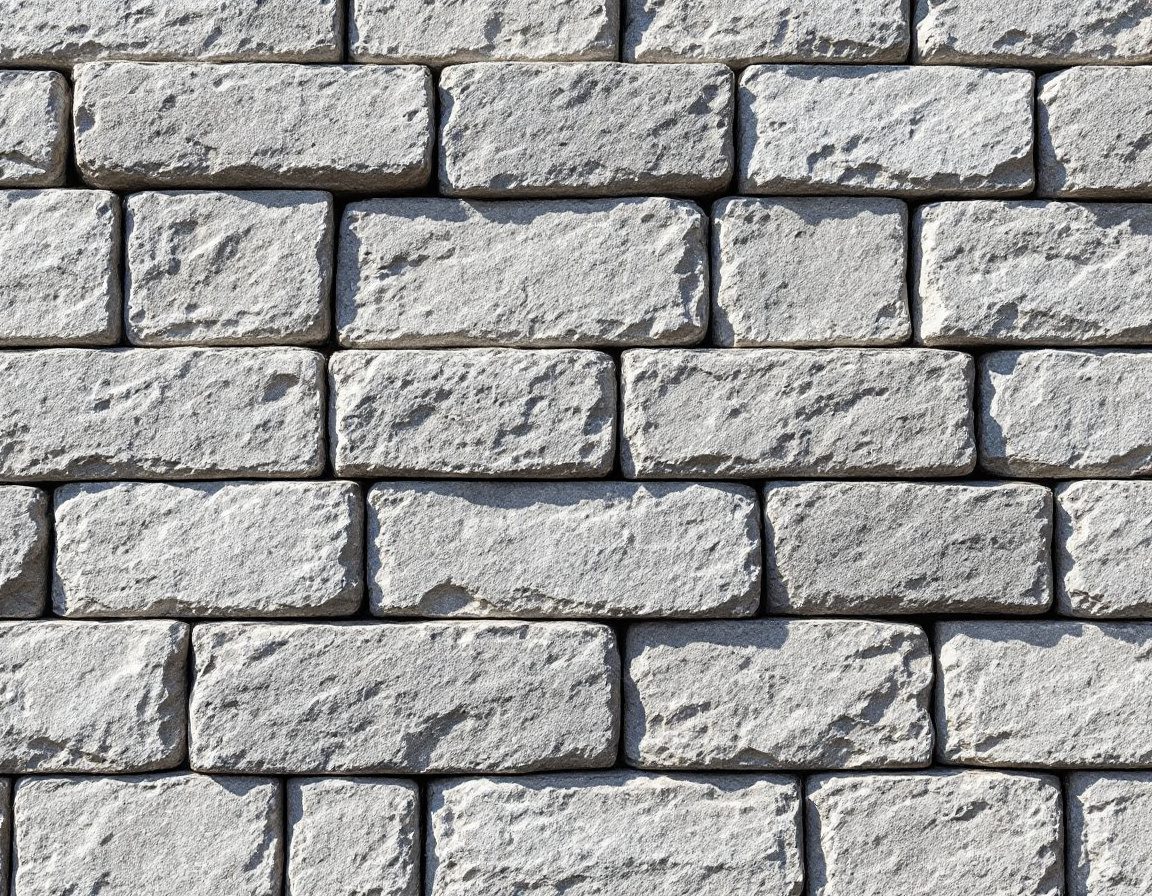
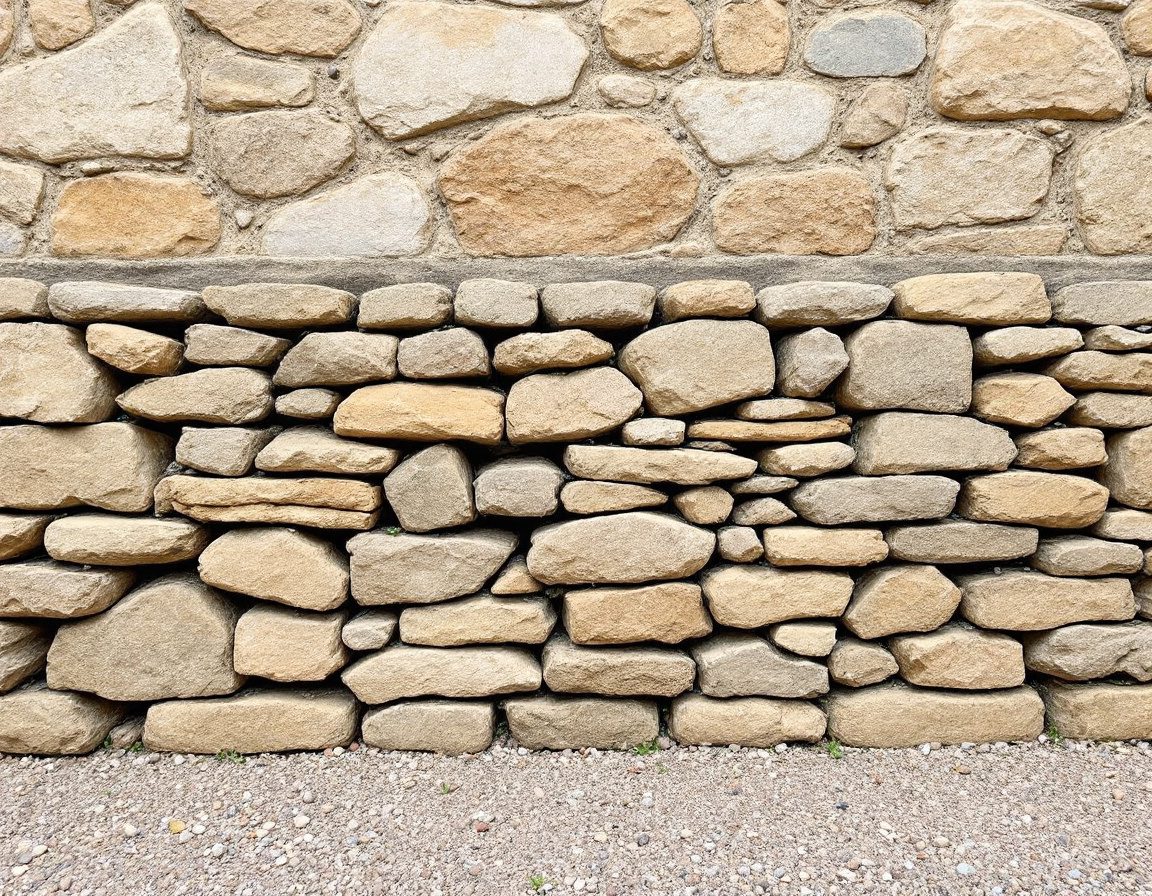
Stone is the strongest traditional material — used for foundations, walls and floors. It ranges from rubble (rough, undressed stones, cheap and fast) to ashlar (finely cut blocks in neat courses with thin joints). In both, a through-stone spanning the wall thickness ties the two faces so the wall acts as one.[7]
Lime — the breathable binder
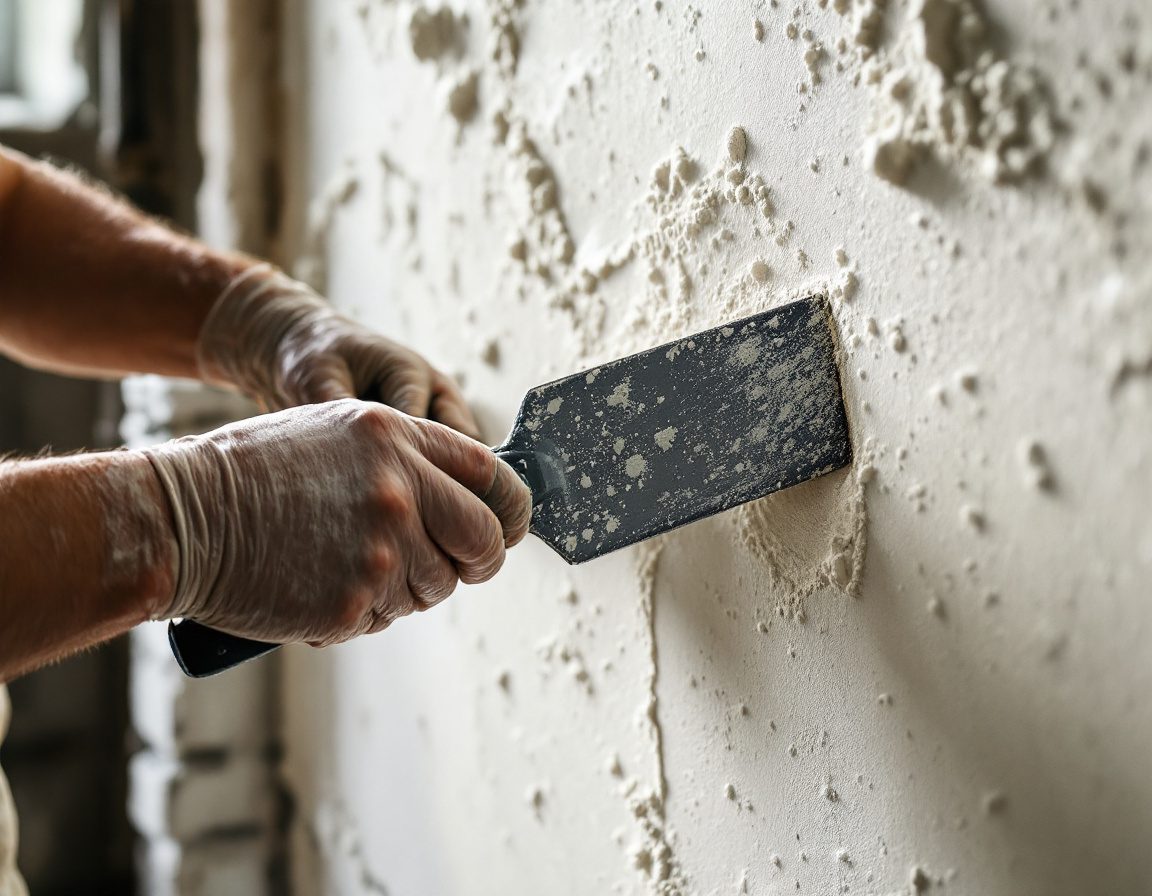
Lime was the binder of Indian construction for millennia before cement. Burnt from limestone, slaked with water, and set by reabsorbing carbon dioxide from the air, it is breathable, flexible, self-healing — and gives back the CO₂ that burning released.
Fat vs hydraulic lime
Fat (non-hydraulic) lime is nearly pure and sets only by carbonation in air — it cannot set under water. Hydraulic lime contains clay/silica impurities and also sets by reacting with water, so it hardens even in damp conditions.
Breathable
Vapour-permeable — walls dry out instead of trapping damp.[8]
Self-healing
Free lime re-crystallises across hairline cracks via carbonation.[8]
Lower carbon
Lower firing temperature than cement, and it reabsorbs CO₂ as it sets.[8]
Traditional Indian lime was often made hydraulic with surkhi — fired brick dust, a pozzolan rich in silica — and improved with organic additives such as jaggery, fenugreek and kadukkai for workability and strength.[9]
Codes & standards
Self-assessment
1. In the lime cycle, how does fat (non-hydraulic) lime harden?
2. What is a through-stone (bond stone) for in stone masonry?
3. What most improves the strength and water-resistance of a rammed-earth or earth-block wall?
Recap
References & further reading
- [1]Earthen construction techniques (adobe, cob, wattle-and-daub) — overviews and Compressed Earth Block. Wikipedia; greenhomebuilding. https://en.wikipedia.org/wiki/Compressed_earth_block
- [2]Rammed earth — technique, thermal performance and revival. Review literature. https://www.sciencedirect.com/science/article/abs/pii/S0378778825012721
- [3]Compressed stabilised earth block — mechanical and hygrothermal performance. https://www.sciencedirect.com/science/article/abs/pii/S2352710216303758
- [4]Adobe / mud-brick compressive strength ranges (illustrarch; MOPT). Indicative. https://www.illustrarch.com/articles/
- [5]Unstabilised rammed-earth strength. ResearchGate publication 30050847. https://www.researchgate.net/publication/30050847
- [6]Cement-stabilised rammed-earth strength. ResearchGate publication 307088041. https://www.researchgate.net/publication/307088041
- [7]Indian building stones and their properties. Bhandari Marble Group reference. https://www.bhandarimarblegroup.com/all-about-building-stones-by-bhandari-marble-group/
- [8]Lime cycle, hydraulic vs fat lime, and lime vs cement. ScienceDirect topic; Wikipedia (Hydraulic lime). https://en.wikipedia.org/wiki/Hydraulic_lime
- [9]Surkhi/kankar pozzolanic lime mortar, and organic additives in traditional Indian lime. ResearchGate 344479628; Nature Sci. Rep. 10.1038/s41598-021-91680-8. https://www.nature.com/articles/s41598-021-91680-8
Further reading
- Minke, G. (2006). Building with Earth: Design and Technology of a Sustainable Architecture. Basel: Birkhäuser.
- Houben, H. & Guillaud, H. (1994). Earth Construction: A Comprehensive Guide (CRATerre). Rugby: Practical Action / ITDG.
- Holmes, S. & Wingate, M. (2002). Building with Lime: A Practical Introduction (rev. ed.). Rugby: ITDG Publishing.
Sources gathered and fact-checked June 2026. Published values vary by source, sample and method — treat as indicative and confirm against the cited standard before structural use.
The author
Amogh N P
Architect, interior designer, and creative polymath. Studio Matrx began in his notebooks — his vision of design made honest, useful, and open to everyone. Its Academy is written and taught in his memory, and free, forever.
More about Amogh →