
Measured Drawing
Recording what exists — the architect's act of close looking.
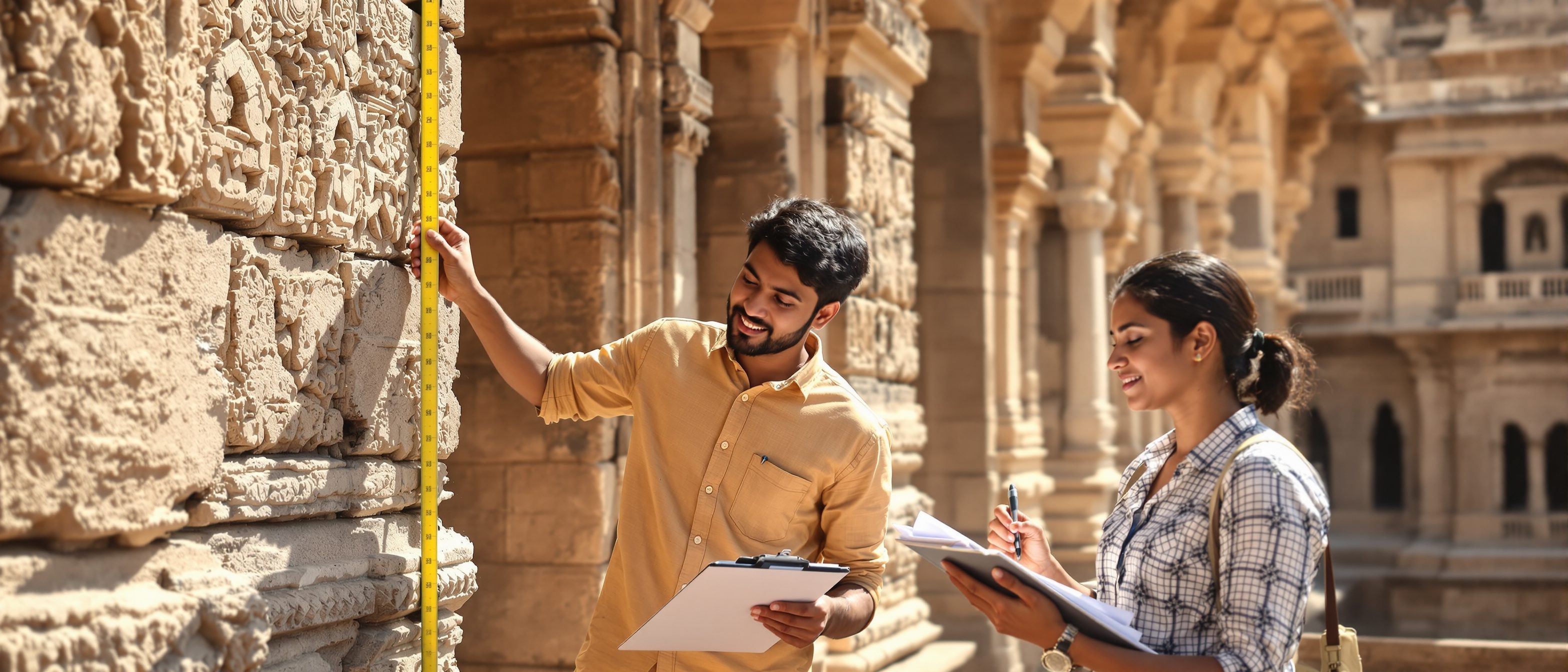
So far you have drawn from instruments and from the imagination. Measured drawing reverses the direction: you take a real building and turn it into accurate scaled drawings. It is how architects learn to look closely — and how a country records the heritage it would otherwise lose.
Learning objectives
By the end of this lesson, you will be able to — mapped to the course outcomes for Building Materials & Construction I:
Explain what measured drawing is and why architects do it.
Follow the survey workflow — sketch, measure, plot, draw.
Use running dimensions and triangulation to measure accurately.
Describe heritage documentation in India and the ethics of accuracy.
Recording what exists
The discipline is simple to state and exacting to do well. Select a topic.
Why record what exists
Measured drawings are the formal scaled record of an existing building — plans, sections, elevations and details — including alterations and deformations. They are essential where no drawings survive, and for conservation and repair; and the act of measuring trains your eye in scale, proportion and convention.[1]
Measuring accurately
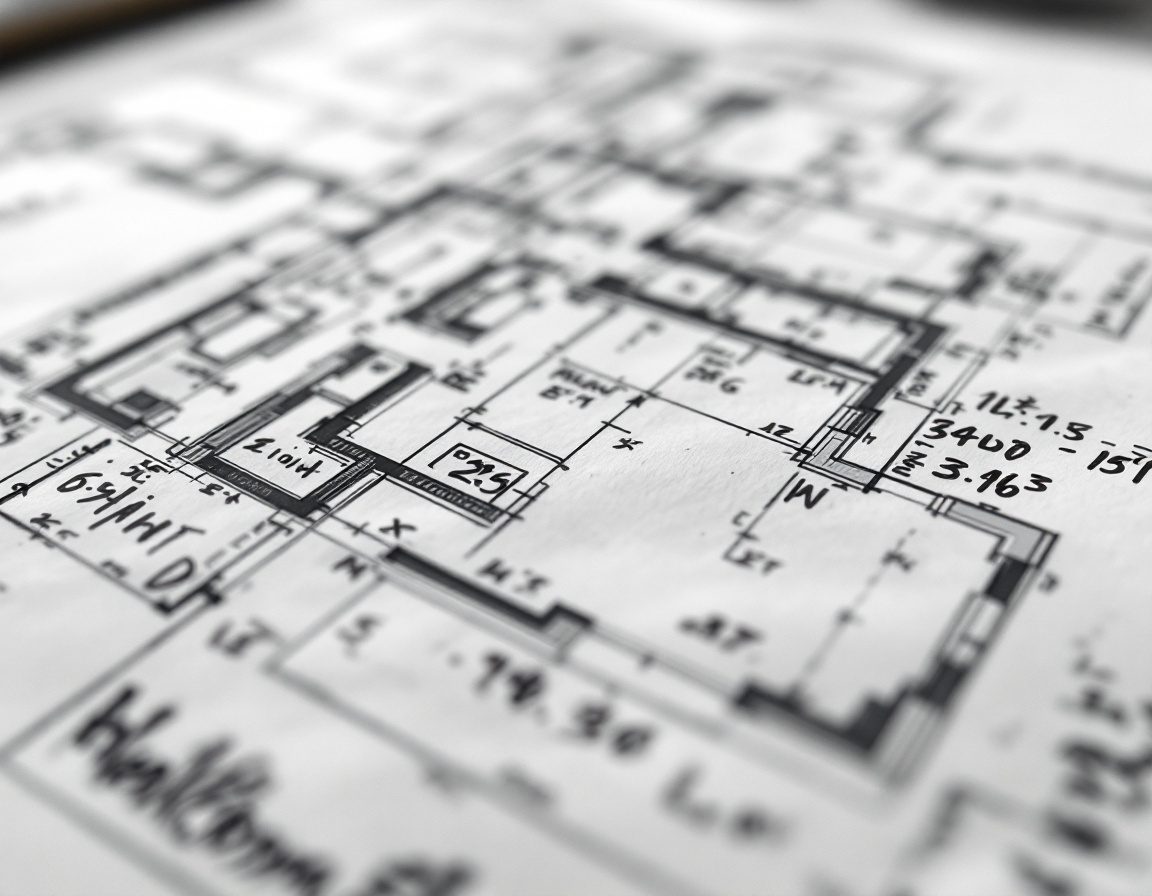
Two habits separate a reliable survey from a frustrating one: run your dimensions from a single datum, and fix awkward points by triangulation.[2, 3]

Heritage documentation in India
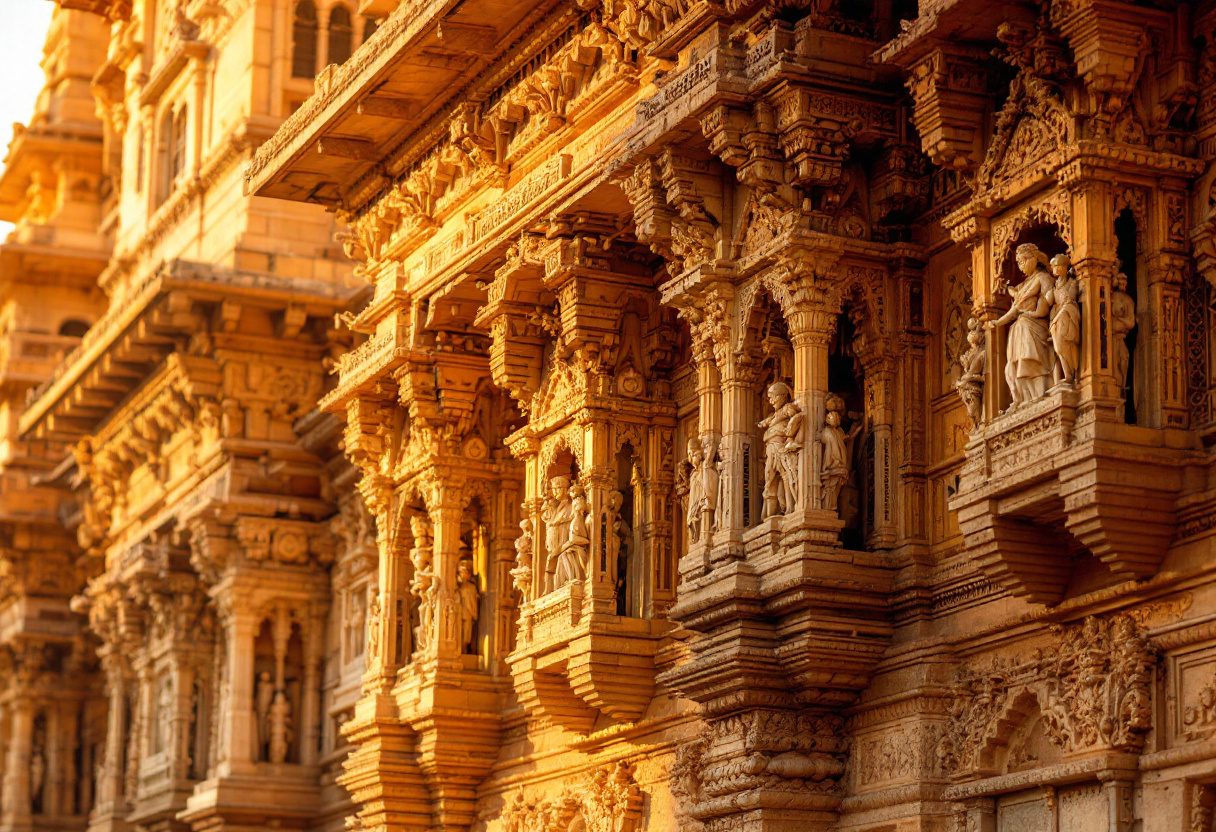
India has one of the world's deepest documentation traditions — the Archaeological Survey of India (1861) for protected monuments, and INTACH (1984), which draws students into recording the vast unprotected heritage. The ethic throughout: record what is — the cracks, the leans, the later additions — dated, scaled and oriented.[4, 5, 6]
Self-assessment
1. Running (cumulative) dimensions are preferred because:
2. INTACH (1984) primarily documents:
3. The governing ethic of measured drawing is:
Recap
References & further reading
- [1]Crafting architectural measured drawings — definition and purpose. The Plan Journal. https://www.theplanjournal.com/article/crafting-architectural-measured-drawings
- [2]Measured survey — how to measure a building (running dimensions, diagonals, tools). First In Architecture. https://www.firstinarchitecture.co.uk/measured-survey-how-to-measure-a-building/
- [3]Measuring by triangulation — fixing points from a baseline. Free Art Training. https://www.freearttraining.com/overview-of-measuring-triangulation
- [4]Archaeological Survey of India (founded 1861, Cunningham) — recording and conserving monuments. https://en.wikipedia.org/wiki/Archaeological_Survey_of_India
- [5]Indian National Trust for Art and Cultural Heritage (INTACH, 1984) — documenting unprotected heritage. https://en.wikipedia.org/wiki/Indian_National_Trust_for_Art_and_Cultural_Heritage
- [6]ICOMOS — Principles for the Recording of Monuments, Groups of Buildings and Sites (Sofia, 1996). https://www.icomos.org/images/DOCUMENTS/Charters/archives-eng.pdf
Further reading
- Swallow, P., Dallas, R., Jackson, S. & Watt, D. (2004). Measurement and Recording of Historic Buildings (2nd ed.). Shaftesbury: Donhead. ISBN 1-873394-62-4.
- Ching, F.D.K. (2023). Architectural Graphics (7th ed.). Hoboken, NJ: Wiley.
- ICOMOS (1996). Principles for the Recording of Monuments, Groups of Buildings and Sites.
Sources gathered and fact-checked June 2026. Published values vary by source, sample and method — treat as indicative and confirm against the cited standard before structural use.
The author
Amogh N P
Architect, interior designer, and creative polymath. Studio Matrx began in his notebooks — his vision of design made honest, useful, and open to everyone. Its Academy is written and taught in his memory, and free, forever.
More about Amogh →