
Participatory Design
Designing with a community, not for it.
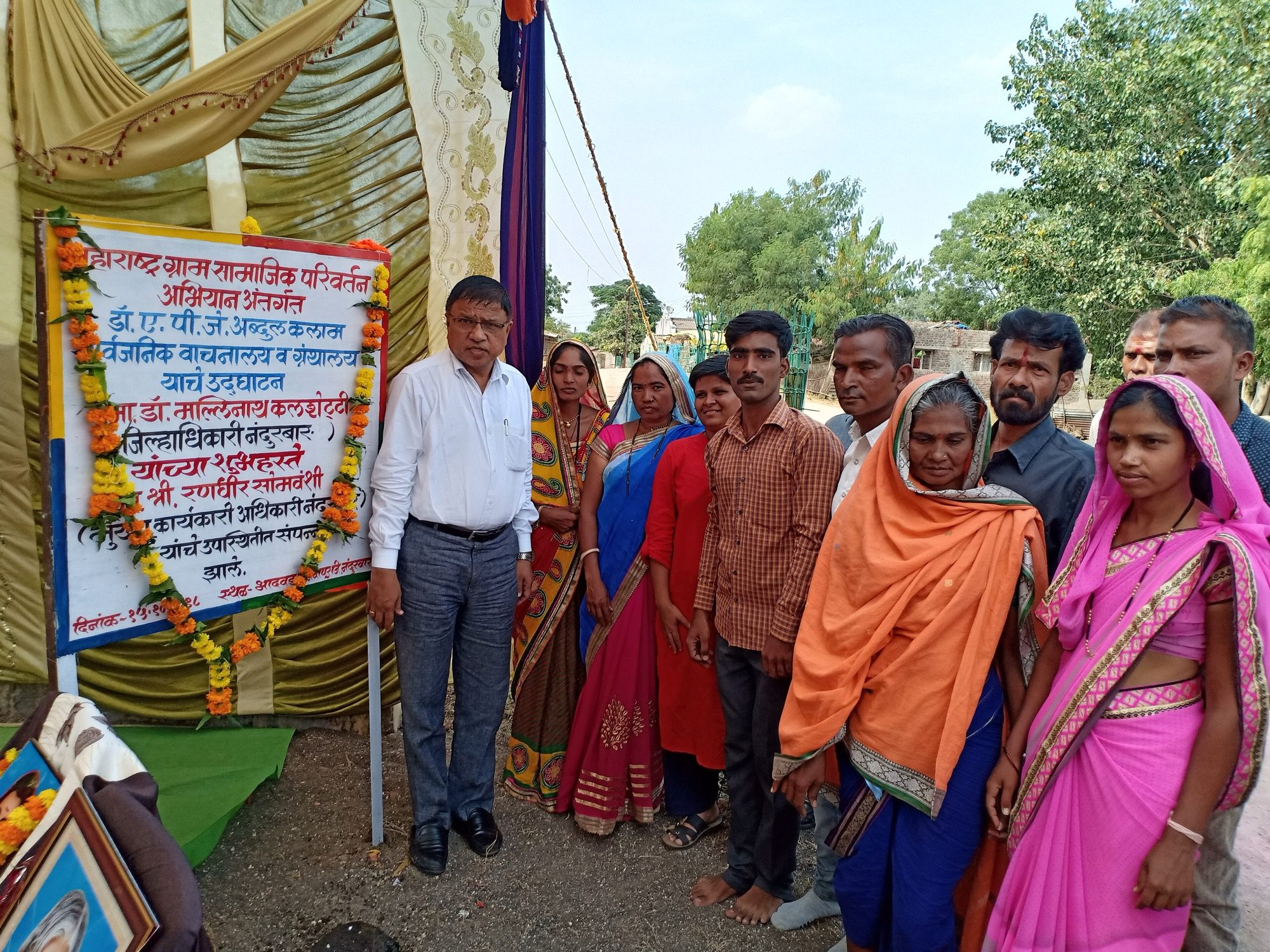
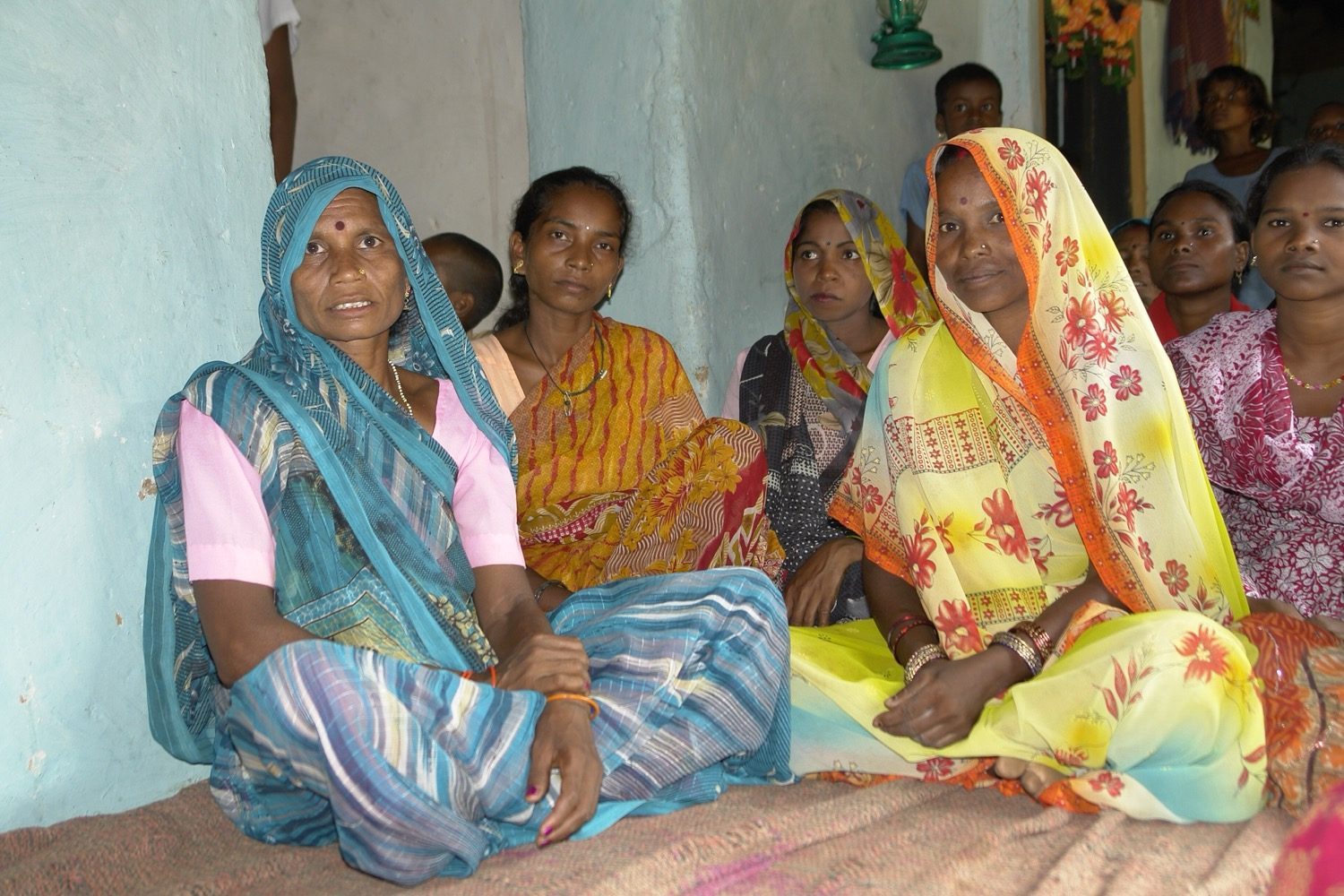
In a village, the people who will live in and maintain a building know things the visiting architect never will. Participatory design takes that seriously: it designs with the community, not for it — turning residents from a passive audience into co-authors, and the building from something inherited into something owned.
Learning objectives
By the end of this lesson, you will be able to — mapped to the course outcomes for Architectural Design III:
Explain why a community is designed with, not for, and the user as expert.
Use PRA tools — transect walk, social map, seasonal calendar — to gather community knowledge.
Place a process on the ladder of participation (tokenism vs citizen power).
Summarise the enabling approaches of Hamdi, Habraken, Correa and Fathy.
Designing with a community
Participation builds ownership and appropriateness. The Participatory Rural Appraisal toolkit — transect walks, social maps, seasonal calendars — lets a community share and analyse its own conditions; Arnstein's ladder reminds us how much real power a process transfers.[3, 5, 8]
Supports and infill
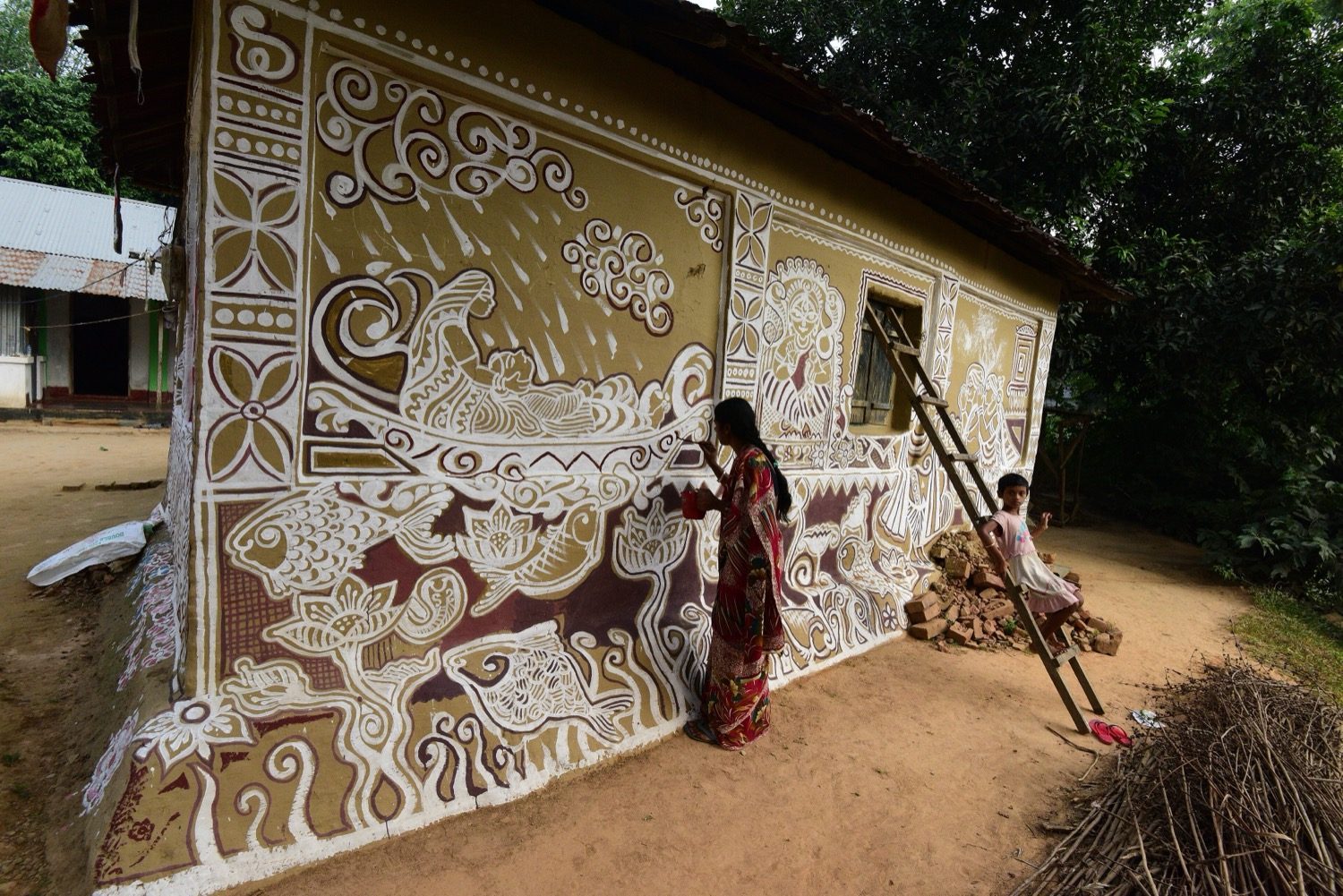
Habraken's idea — design the durable shared support and let users decide the infill — underpins much rural and incremental housing, from Correa's equipped sites to Fathy's building with villagers in mud.[3, 7]
With vs for, PRA vs RRA
| Aspect | One | The other |
|---|---|---|
| Stance | Designing WITH: community co-decides | Designing FOR: architect decides, community receives |
| Knowledge | PRA: community owns & analyses | RRA: outsiders extract quickly |
| Arnstein level | Citizen power: partnership / control | Tokenism: informing / consultation |
| Tool — pattern | Social map: what & who is where | Seasonal calendar: when constraints bite |
| Habraken | Support: durable, shared | Infill: user-decided |
Key terms
Designing with users as co-decision-makers, not merely consulting them.
Participatory vs Rapid Rural Appraisal — community-owned vs outsider-extracted knowledge.
A structured cross-settlement walk with informants, reading land, water, use and assets.
A month-by-month chart of rainfall, labour, crops and income exposing seasonal constraints.
Arnstein's eight rungs from manipulation to citizen control.
Habraken's split between the durable shared structure and user-decided components.
Dwellings designed to be built and extended over time as families afford (Correa).
Studio task
Plan a one-day participatory workshop for a village project: list the PRA tools you would run (transect walk, social map, seasonal calendar, ranking), what each would tell you, and where your process would sit on Arnstein's ladder. Be honest about whether it is consultation or real partnership.
Self-assessment
1. In Arnstein's ladder, 'consultation' belongs to —
2. The key difference between PRA and RRA is that in PRA —
3. A month-by-month chart of rainfall, labour and crops in a PRA exercise is a —
Recap
References & further reading
- [3]Nabeel Hamdi, Housing Without Houses: Participation, Flexibility, Enablement. Intermediate Technology Publications, 1995.
- [5]Robert Chambers, 'The Origins and Practice of Participatory Rural Appraisal.' World Development 22(7), 1994.
- [7]Hassan Fathy, Architecture for the Poor: An Experiment in Rural Egypt. University of Chicago Press, 1973.
- [8]Sherry R. Arnstein, 'A Ladder of Citizen Participation.' Journal of the American Institute of Planners 35(4), 1969.
Further reading
- Nabeel Hamdi, Small Change: About the Art of Practice and the Limits of Planning in Cities. Earthscan, 2004.
- N. John Habraken, Supports: An Alternative to Mass Housing. Architectural Press, 1972.
- Hassan Fathy, Architecture for the Poor.
Sources gathered and fact-checked June 2026. Published values vary by source, sample and method — treat as indicative and confirm against the cited standard before structural use.
The author
Amogh N P
Architect, interior designer, and creative polymath. Studio Matrx began in his notebooks — his vision of design made honest, useful, and open to everyone. Its Academy is written and taught in his memory, and free, forever.
More about Amogh →