
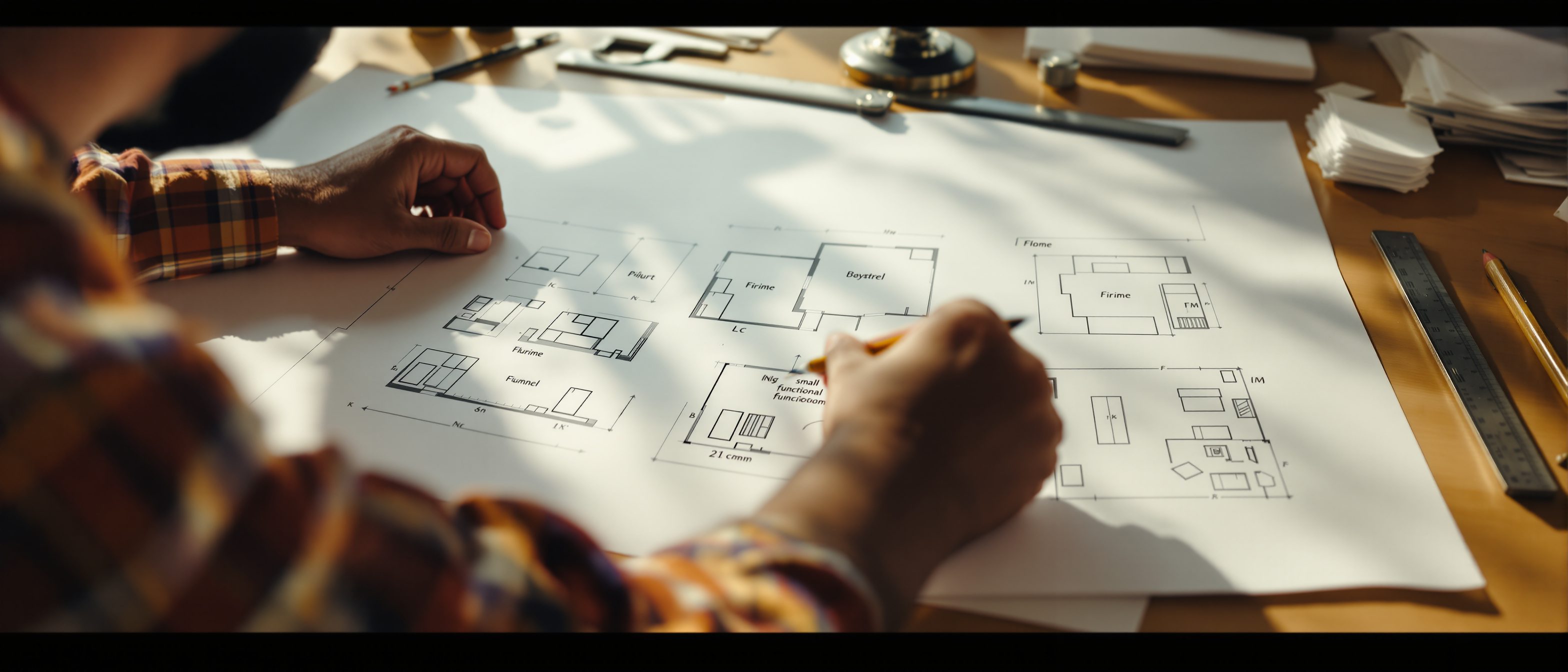
Design Exercises I — Single Spaces
Designing one room well — function, the body and passive comfort.
Before a building, a room. The first set of exercises designs a single functional unit — and designing one room well is where standards, anthropometrics and method first meet a real, if simple, brief.
Learning objectives
By the end of this lesson you will be able to — mapped to the course outcomes for Architectural Design II:
Treat a single room as the elementary unit of architecture.
Design a functional unit to its anthropometric and accessibility standards.
Apply passive-comfort strategies suited to the Indian climate.
Resolve horizontal movement and use within a single bay.
The room is the beginning
A single room is the elementary unit of architecture; design it from its function and it teaches the fundamentals in miniature. Select a topic.[1, 2]
The room is the beginning
A single room is the elementary unit of architecture — Louis Kahn called the room ‘the beginning of architecture’. Designing one well teaches everything in miniature: function, the human body, light, movement and structure, without the complication of many spaces.[1]
| Exercise | What drives the plan |
|---|---|
| Accessible toilet | 1500 mm turning circle, grab bars, ≥ 900 mm door |
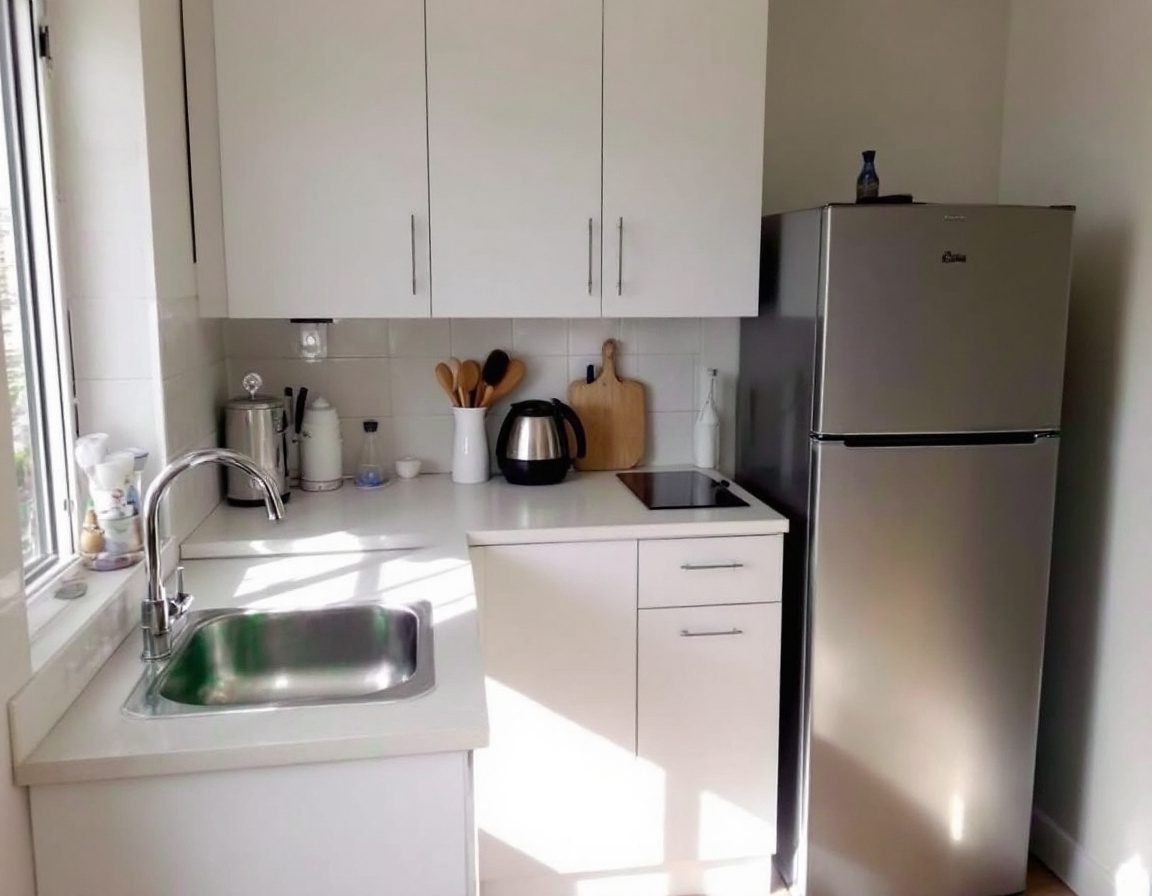
| Kitchen | The work triangle (sink–hob–fridge); ~900 mm counters |
| Hostel room | Bed, desk, wardrobe; daylight and ventilation |
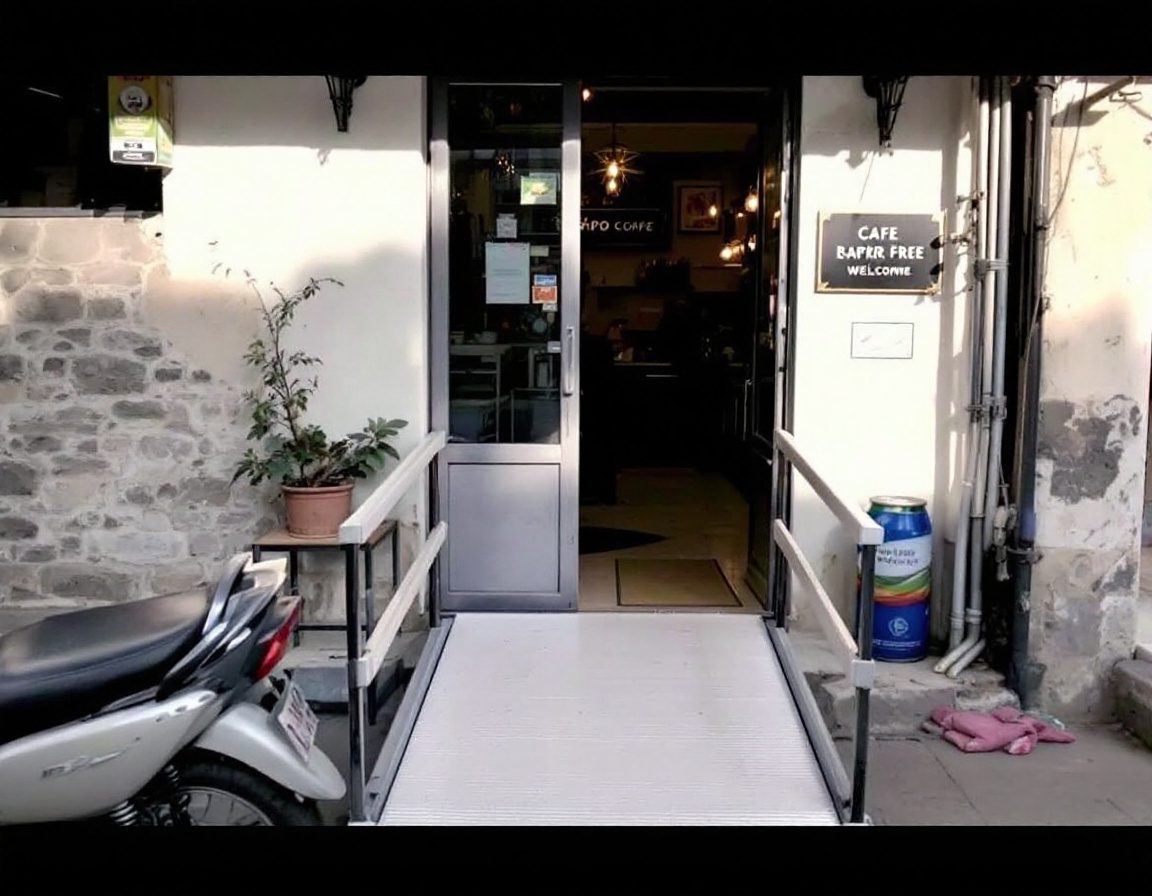
| Shop / snack bar | Display, counter, customer flow; barrier-free entry |
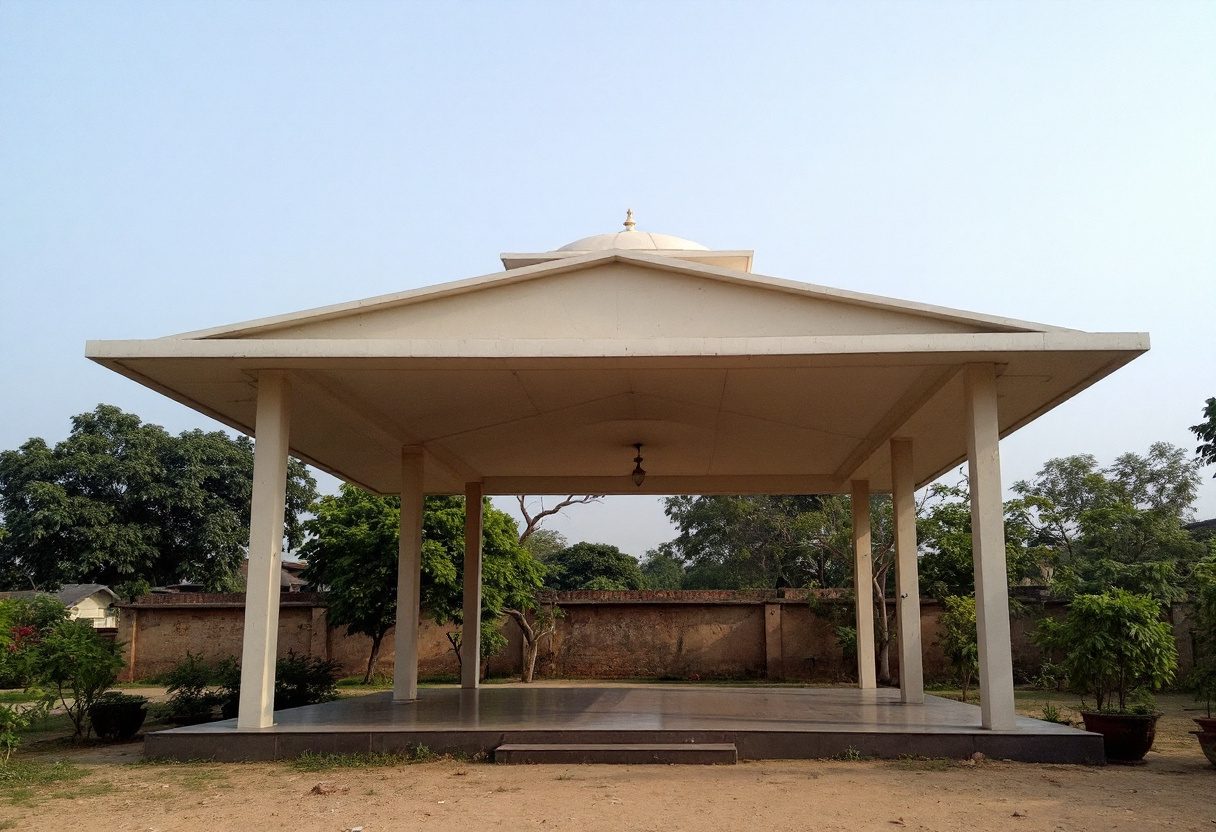
| Pavilion | A single open structure — roof, shade, gathering |
Comfort without machines
A single space is the place to learn passive design — orientation, cross-ventilation, shading and thermal mass — which cost nothing and do most of the work in the Indian climate.[3]
Everyone gets in
Even a small public unit must be barrier-free — a 1:12 ramp, a clear ≥ 900 mm entrance, an accessible WC. Designing access in from the first room is the habit to build.[4]
Self-assessment
1. Why do beginning studios design a single room first?
2. The plan of an accessible toilet is driven mainly by:
3. A good passive strategy for a single space in India is to:
Recap
References & further reading
- [1]The room as the elementary unit of architecture (‘the room is the beginning of architecture’ — Kahn). Beginning-studio pedagogy. https://corsi.unige.it/en/off.f/2024/ins/80399
- [2]Neufert, E. — Architects' Data: dimensioned requirements for single functional spaces (kitchen, room, shop). Reference. https://www.uceb.eu/DATA/CivBook/03.%20Architect_s%20Data.pdf
- [3]Climate-responsive (passive) design for India — orientation, cross-ventilation, shading, thermal mass. Overview. https://vistaardesigns.com/how-to-build-a-climate-responsive-home-in-india/
- [4]Harmonised Guidelines (2016/2021) — barrier-free access for small public units (ramp 1:12, accessible WC). Govt. of India. https://mohua.gov.in/upload/uploadfiles/files/Harmonized_%20Guidelines.pdf
Further reading
- Neufert, E. & Neufert, P. (2019). Architects' Data (5th ed.). Oxford: Wiley-Blackwell — space requirements by function.
- Ching, F.D.K. (2023). Architecture: Form, Space and Order (5th ed.). Hoboken, NJ: Wiley.
- Krishan, A. et al. (2001). Climate Responsive Architecture. New Delhi: Tata McGraw-Hill — passive design for India.
Sources gathered and fact-checked June 2026. Published values vary by source, sample and method — treat as indicative and confirm against the cited standard before structural use.
The author
Amogh N P
Architect, interior designer, and creative polymath. Studio Matrx began in his notebooks — his vision of design made honest, useful, and open to everyone. Its Academy is written and taught in his memory, and free, forever.
More about Amogh →