What the Flood Left Behind
A note on resilience as a way of thinking — not a checklist.
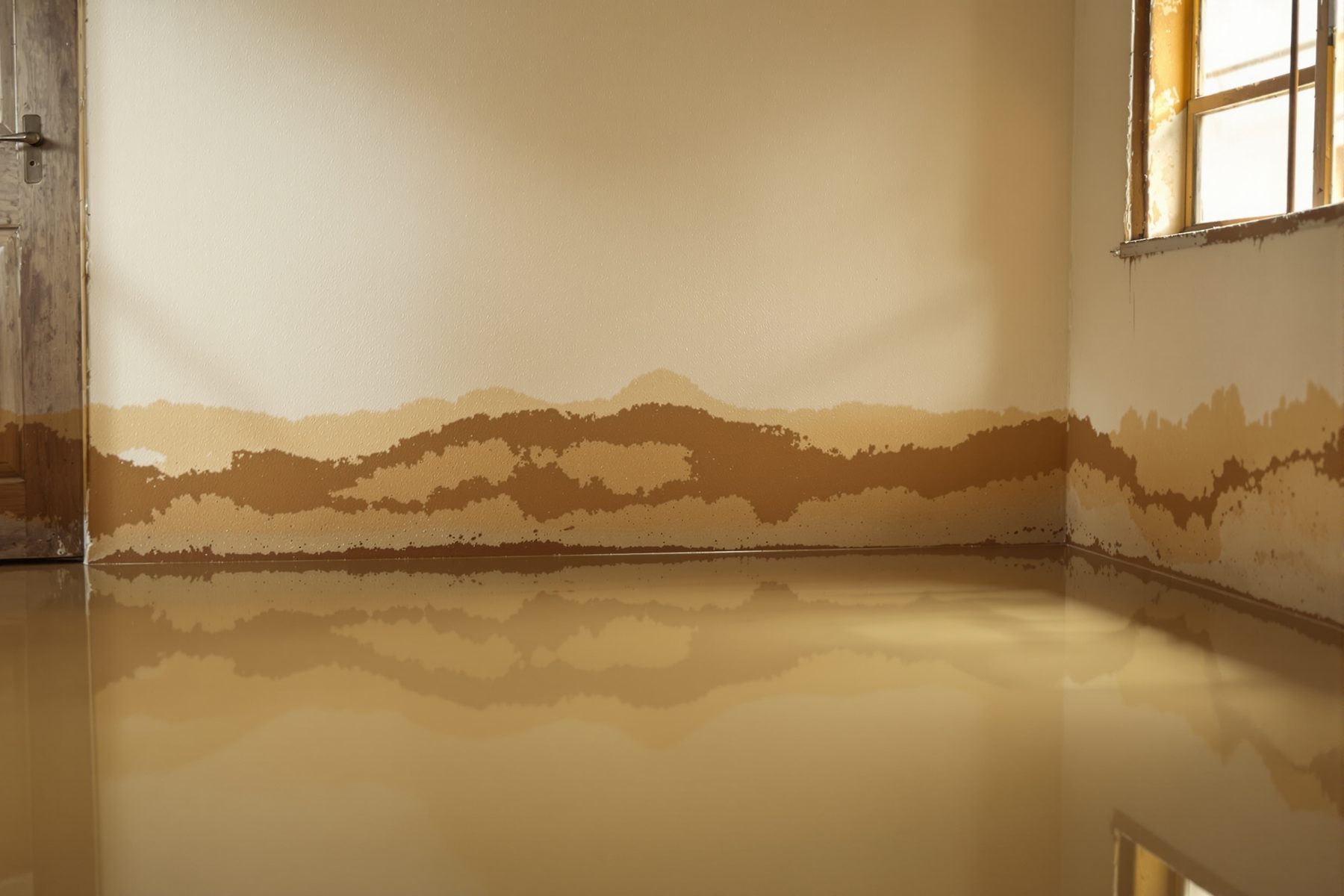
There is a moment after every flood when the water begins to retreat. Streets reappear, courtyards dry, and daily life slowly resumes. Yet the marks remain — a stain on a wall, a warped threshold, a layer of silt in a forgotten corner. Buildings remember. They carry the memory of weather long after the skies have cleared.
For generations, Indian architecture understood this relationship with water. Courtyards welcomed rain, sloping roofs guided it away, and materials like lime allowed buildings to breathe through damp seasons. Water was not treated as an interruption to design; it was one of its starting points. Today, as cities expand and the weather grows harder to predict, those lessons feel newly urgent.
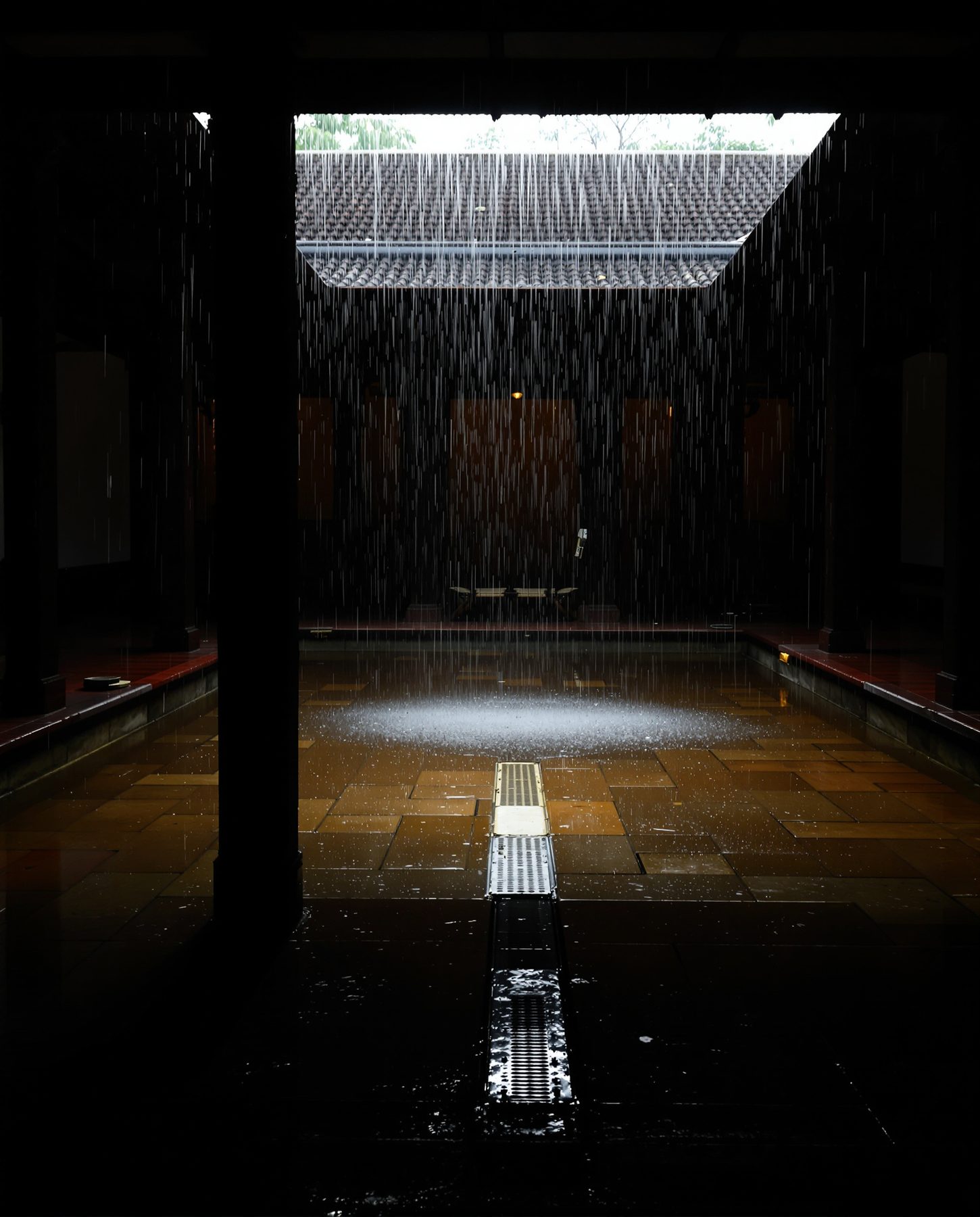
This issue explores resilience through that lens. Not resilience as a technical checklist, but as a way of thinking. We look at homes designed around the movement of rainwater, revisit the enduring wisdom of Laurie Baker, examine materials that age gracefully, and explore the details that help buildings recover when nature inevitably tests them.
As India marks another year of independence, the idea of resilience carries a meaning beyond architecture. Buildings, cities, and nations are rarely defined by the challenges they face. They are defined by how they respond to them. Their strength lies not in avoiding change, but in adapting to it.
The monsoon leaves many things behind. Sometimes damage. Sometimes reminders. Sometimes lessons. This issue is dedicated to those lessons — and to the architects, builders, and homeowners who continue to learn from them.