
Rainwater harvesting for architects: A.R. Shivakumar on water by design
The Rain Man of Bengaluru on why water belongs on the drawing board rather than in the services drawings — and what a hundred years of rainfall data taught him about the house he built for himself.
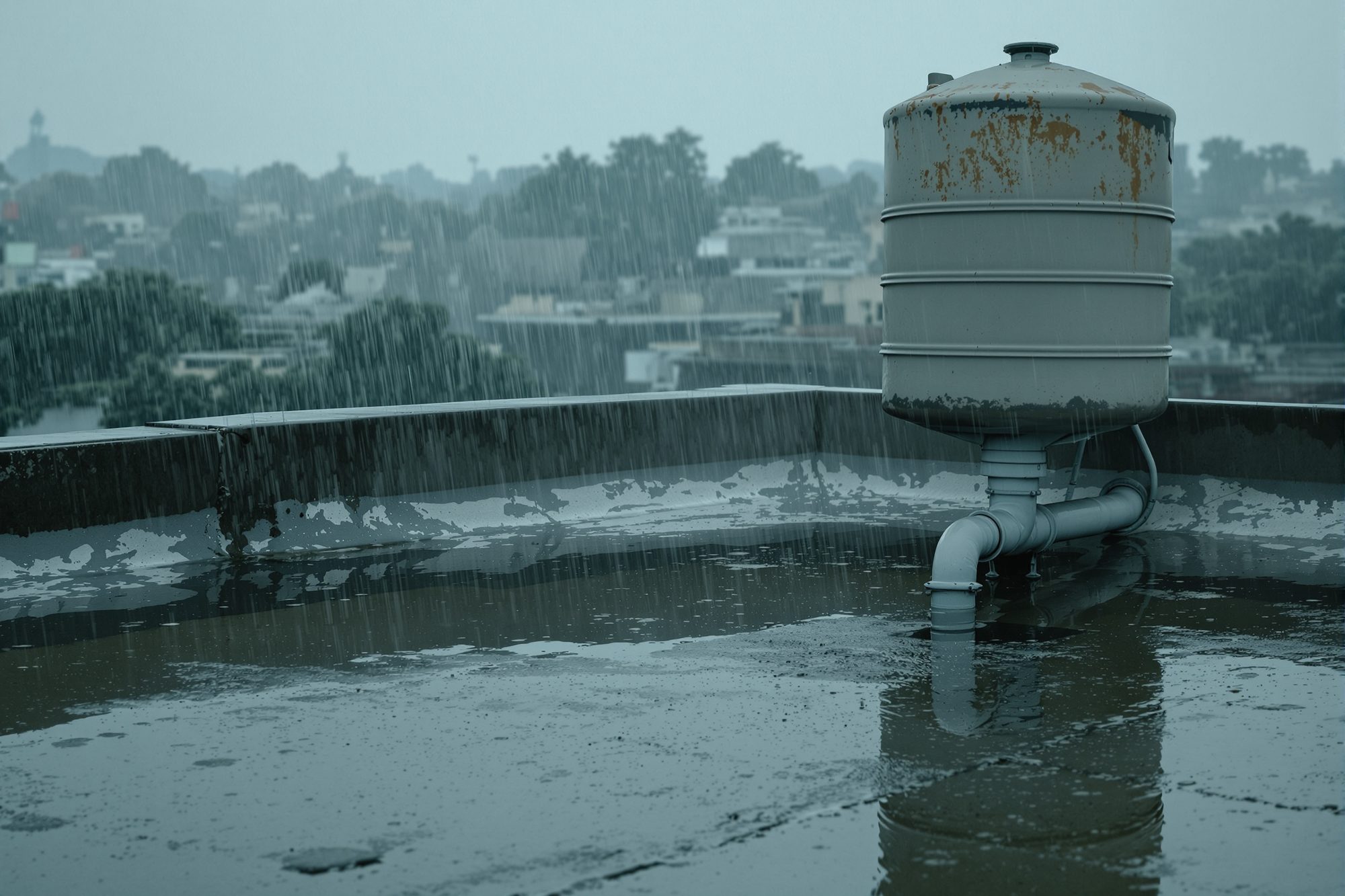
Water decided where our cities grew and whether they lasted. It remains one of the most neglected considerations in the design of the buildings we put on top of them.
The contradiction is sharpest in India. Cities flood through the monsoon and run dry within months of it. Groundwater keeps falling, lakes keep vanishing, and each year water is carried in from further away. The problem is no longer only where to find more of it. It is whether we value what already falls on us.
Which leaves architects with a question worth answering honestly. Is water an engineering service, bolted on once the drawings are done? Or is it a design decision, taken at the start?
Few people have answered as insistently as **A.R. Shivakumar**. A former senior scientist at the Karnataka State Council for Science and Technology at the Indian Institute of Science, Bengaluru, he has spent more than three decades moving rainwater harvesting from environmental slogan to something an ordinary household can simply do. Bengaluru calls him its Rain Man.
In conversation with Studio Matrx, he traces the route from a village well to the roof of the Vidhana Soudha — and argues that the technology was never the hard part.
A journey rooted in water
A childhood where every bucket cost effort, and a city where the taps hadn't arrived yet.
Water was respected because people understood the effort required to obtain it.
Many people know you as the Rain Man of Bengaluru. Where did that begin?
I was born and raised in a small village in Karnataka, where water was not taken for granted. In the late 1960s and early 1970s our village depended entirely on wells. There were separate wells for drinking and for household use, and fetching water was simply part of life.
Before and after school, I drew water for my family. It wasn't only my responsibility — everyone in the village, from children to elders, took part. Water was respected because people understood the effort required to obtain it.
I remember my mother waking before sunrise every day to fetch water before starting work. In our home we performed puja before using it. Those experiences left a lasting impression: water is not merely a utility but a precious natural resource that sustains life.
As a child I often wondered why such a basic necessity took so much time and effort — whether there could be a better way to make water accessible while making sure it was never wasted. Looking back, those questions planted the seeds for everything since.
You moved to Bengaluru for your education and career. Did the city change how you looked at water?
I expected life to become easier. Instead I met a different kind of water crisis. We lived in Vijayanagar, where many houses were built before the city supply reached the area. Our family shared a sump and storage tank with another household, and managing water in summer became difficult.
A small change in routine could disrupt everything — if guests arrived unexpectedly, the available water was not enough. These problems were not unique to us. They were the reality for thousands of households across Bengaluru.
At the same time I was working on renewable energy and sustainable living projects at the Indian Institute of Science. That made me realise sustainability should not remain a subject of research alone; it had to become part of everyday life. When we decided to build our own house, I saw it as a chance to practise what I had been advocating.
You turned your own home into a living laboratory. What did that teach you?
Instead of designing the house first and considering water later, I wanted water management to be an integral part of the planning.
I began by understanding my family's daily needs — how much we consumed, the quality required for different purposes, the storage needed across the year. Then I monitored rainfall, studied groundwater percolation, and collected data on how rain actually behaved on my plot.
I stood on my empty plot with an umbrella during rainfall, measuring how much water entered the site, how much percolated into the ground, and how much could be harvested. To make the study more reliable, I collected and analysed nearly a hundred years of daily rainfall data for Bengaluru.
The results surprised me. Bengaluru receives enough rainfall to meet a household's annual water needs. Even a standard 40 × 60-foot residential plot can harvest enough rainwater not only for its own use but often to contribute surplus through groundwater recharge.
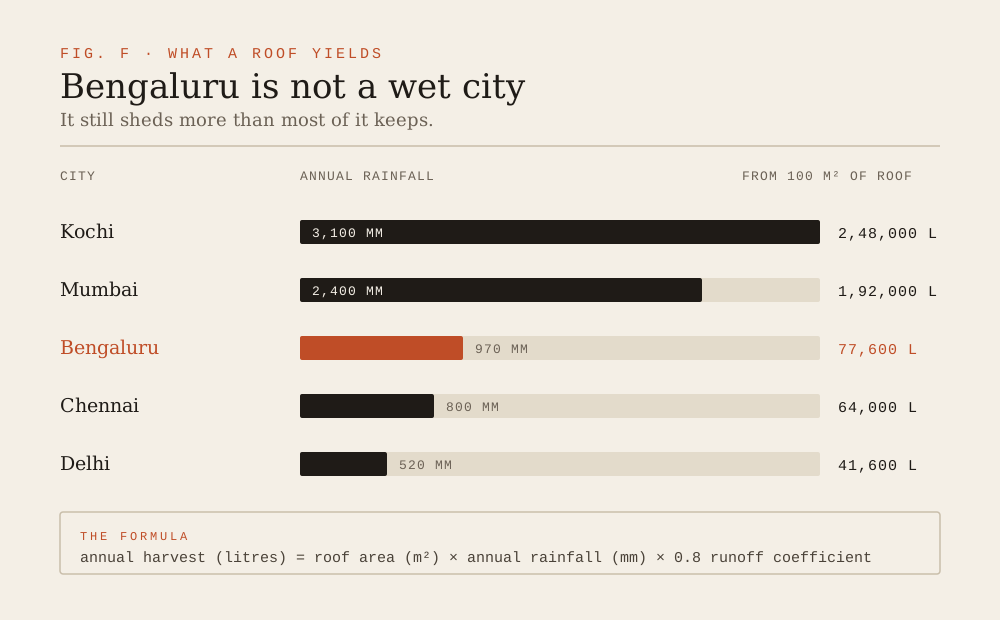
That changed my perspective. The challenge was never the absence of water but the absence of planning. Once you understand your rainfall, your consumption and your storage needs, rainwater harvesting becomes a practical, reliable solution rather than an environmental slogan.
From one house to a movement
A filter, a patent given away to industry, and ten landmark roofs.
Obtaining a patent was never the final goal. I wanted the innovation to reach as many people as possible.
Your research led to the First Flush Filter, now used across India. What problem were you solving?
As I began implementing rainwater harvesting at my house, I realised the biggest obstacle was not collecting rainwater but keeping it clean.
Rainwater itself is one of the purest forms of water. The problem begins when it flows over rooftops. Dust, bird droppings and leaves accumulate on the roof between rains, and when the first rain arrives all of it is washed into the collection system.
The filtration methods available then were cumbersome — mostly sand-bed filters needing considerable space and regular maintenance. I felt there had to be something simpler that ordinary homeowners could adopt without difficulty.
That question led to nearly two and a half years of research. Eventually I developed an online First Flush Filter that connects directly to the downpipe from the roof. It automatically diverts the initial dirty runoff while letting the cleaner rainwater flow into the storage sump. It made harvesting easier, more reliable and far less maintenance intensive.
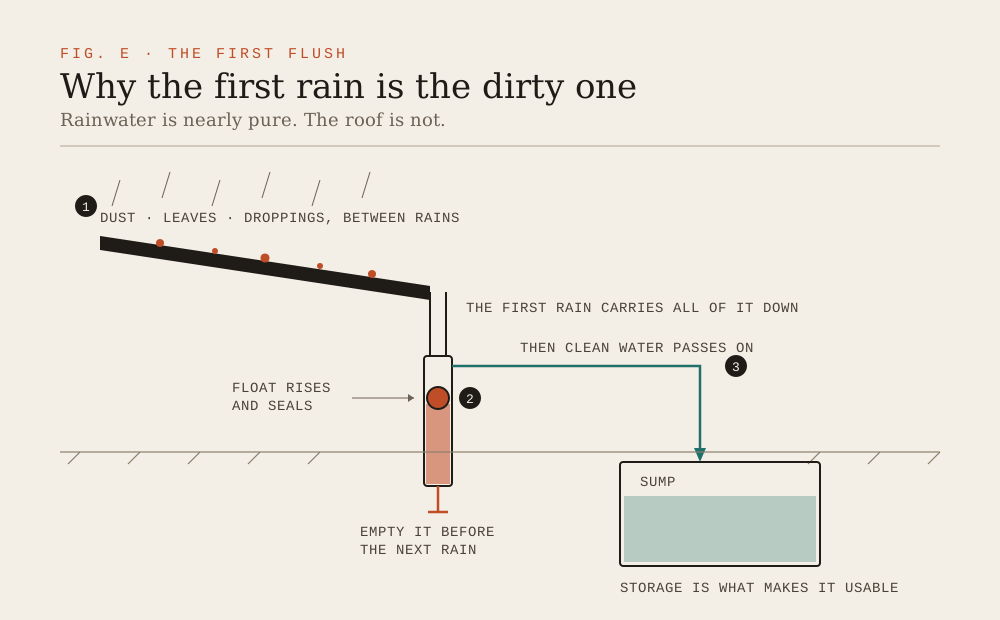
The technology was later patented. But obtaining a patent was never the final goal. I wanted the innovation to reach as many people as possible, so I transferred it to an industry in Ahmedabad to be manufactured commercially at an affordable price. We kept it reasonably priced so people would not be discouraged from adopting rainwater harvesting.
Today those filters are used in thousands of homes and institutions across India and even overseas. That has been the most satisfying part — not the patent, but seeing a simple innovation help people conserve water in their everyday lives.
How did an experiment in your own home become a nationwide movement?
Once the technical challenges became easier to address, I realised technology alone would never be enough. People needed to see rainwater harvesting working in real life. Demonstration was more powerful than theory.
An opportunity came through environmental projects supported by the Norwegian Embassy. That let us take rainwater harvesting beyond individual homes and into some of Bengaluru's most prominent public buildings — ten landmark buildings, including the Vidhana Soudha, the BBMP headquarters, the General Post Office, the Kidwai Memorial Institute of Oncology, fire stations, hospitals and settlements in Kengeri. The idea was simple: to show that rainwater harvesting was not limited to houses.

These became living examples. Thousands visiting could see how rooftop rainwater was collected, filtered, stored and used, while surplus went to groundwater recharge. It helped people understand that rainwater harvesting is more than placing a bucket under a roof. It is a complete water management system — storage, filtration, recharge and responsible use.
We also ran hundreds of free training programmes for architects, engineers, plumbers, contractors, masons, students and government officials, with support from the Bangalore Water Supply and Sewerage Board. Building technical capacity mattered as much as developing the technology, because people needed the confidence and skills to implement these systems correctly.
Creating an ecosystem — technology, demonstration, training, public participation and institutional support working together — was one of the most important reasons rainwater harvesting gained acceptance across Karnataka.
You helped shape Karnataka's rainwater harvesting policy. How effective are mandatory rules?
Regulations are important but not the starting point. Real change happens only when people develop genuine respect for nature and understand water's value. Without that mindset, rules alone cannot create lasting behavioural change.
We see this everywhere. Even with laws, penalties and enforcement, people often ignore rules. Unless people realise water is a shared natural resource and every individual must use it wisely, sustainable practices will never become a way of life.
At the same time, experience taught us that awareness alone was not enough either. When water is available at very low cost through public supply, many people see little reason to invest in harvesting. That is why policy also matters. Working with like-minded colleagues, I helped draft the framework that became the basis for Karnataka's mandatory rainwater harvesting regulations. The idea was not to force people but to encourage responsible water management through awareness, guidance and regulation. Sometimes both the carrot and the stick are necessary.
Water by design
The argument aimed squarely at the drawing board.
It should begin at the very first stage, when the building exists only on the drawing board.
Many architects still treat rainwater harvesting as an engineering requirement rather than a design principle. At what stage should water enter the design process?
It should begin at the very first stage, when the building exists only on the drawing board. Whether a house, a commercial complex or an institutional building, water management should be considered alongside architectural design, not after the structure is completed.
Unfortunately many projects treat water as an afterthought. After the building is finished, people ask where the sump should go, where the overhead tank should be placed, how to accommodate the pipelines. At that stage they must retrofit — which is expensive, inefficient, or sometimes impossible because of space constraints.
If rainwater harvesting is integrated from the beginning, everything becomes simpler. The storage sump, pipelines, filtration and recharge structures can be incorporated into the original design. That reduces cost and makes the system more efficient and easier to maintain.
Water is a fundamental requirement of any building. Without it, the building cannot function. Instead of treating it as a service to add later, architects should recognise it as an essential design element. When water is part of the planning from day one, sustainable water management happens naturally rather than as an expensive retrofit.
For someone building a new home today, what should every building include?
The first principle is to return to what our traditional systems did well: collect rain where it falls, store it, and use it wisely. Every rooftop is a catchment, and every building can become a source of water rather than just a consumer.
Since it does not rain every day, storage is important. I recommend planning for a sufficiently large underground sump — one of the simplest, most economical and effective ways to store water for future use.
Equally important is filtration. Several reliable systems are available today; choose one that suits your needs and maintain it properly. A good filter ensures the rainwater entering storage stays clean and safe.
The good thing about rainwater is that it is freely available. It arrives at every doorstep without permission, tax or cost. There is no GST on rainwater, and no licence is required to harvest it. Nature provides it equally to everyone. It is our responsibility to make the best use of it rather than letting it flow away as waste.
A well-designed system is not an expensive luxury. It is a practical investment that provides long-term water security and reduces dependence on external sources.
As rainfall grows more intense and dry spells longer, how should architects and planners rethink water?
Climate change is a larger issue than any individual can fully address. We cannot predict every future challenge, but we can prepare by making better use of the resources we have.
The first step is to conserve. Use only what you need, reuse whenever possible, and harvest every drop of rain. These simple principles become more important as rainfall patterns grow unpredictable.
More than anything, we need to change our attitude towards water and begin to respect it. In earlier days water was sacred and people understood its value. Today we often take it for granted. If we develop a culture of respect, many decisions — from building design to city planning — will naturally become more sustainable.
For architects and planners, this means looking beyond individual buildings. Every project should help conserve water, reduce wastage and recharge the environment. Small interventions across thousands of buildings can collectively strengthen our cities' resilience.
A water-conscious future
Thirty-five demonstration models, 23,000 school roofs, and an app that sizes your sump.
You are not living in isolation. The natural resources around you are not yours alone.
You have spent as much effort on teaching as on technology. Why?
Technology alone cannot bring change. You may develop the best rainwater harvesting system, but if people do not understand why they need it or how to use it, it will not create lasting impact.
So we focused equally on awareness and capacity building. With support from the Bangalore Water Supply and Sewerage Board and various government departments, we organised hundreds of free training programmes for architects, engineers, plumbers, masons, contractors, students and government officials. Every stakeholder involved in planning, designing, constructing and maintaining buildings needed to understand water conservation.
We also realised people learn better by seeing than by reading. That led to India's first Rainwater Harvesting Theme Park, in Jayanagar, Bengaluru. Instead of explaining concepts through drawings alone, we built nearly thirty-five live demonstration models showing different methods of harvesting, recharge, filtration, storage and conservation. Children, homeowners, professionals and policymakers can experience these systems firsthand and understand that rainwater harvesting is practical, simple and achievable.
The idea has since expanded to other cities, with similar parks in Hyderabad, Kanpur, Bhubaneswar and elsewhere. They have become places where knowledge is shared openly and people gain the confidence to implement water conservation in their own communities.
As technology evolved, we wanted reliable information to reach every household. With the Indian Institute of Science, UNESCO partners and other institutions, we developed the Rainwater Harvesting Advisor — a digital platform that helps people design a customised system for their home based on location, roof area, rainfall data, soil conditions and household size.
How do you see sustainable water management evolving in India? What gives you hope?
The natural resources available to us are not increasing, but demand grows every year. The challenge is not just to find new water sources, but to use what we have sustainably and equitably.
When I speak of equitable distribution, I do not mean only among people. Water belongs to the entire ecosystem. It sustains plants, animals, rivers, lakes, groundwater and all life around us. Every decision we make — designing a building, planning a city, implementing a public project — should consider that larger ecological balance.
The future lies in changing our mindset. Technology will evolve, policies will improve, better systems will emerge. But unless we learn to respect water and recognise it as a shared natural resource, no technology alone can solve the problem.
What gives me hope is that there is far greater awareness today than when I began over thirty years ago. We have better technologies, stronger policies, skilled professionals, educational resources and digital tools. The ecosystem is now in place. It is up to each of us to use it responsibly.
What message would you leave for young architects and students?
I always say you are not living in isolation. The natural resources around you are not yours alone; they are gifts to be shared by everyone. Once you understand this, you treat them with greater respect and responsibility.
Rainwater harvesting is not difficult. It is simple, practical, and something every individual can adopt. You do not have to wait for governments or large organisations to act first. Begin with your own home, workplace or project. Small actions multiplied across thousands create meaningful change.
For architects especially, remember that every building you design will influence how people live for decades. If you integrate water conservation from the very beginning, you are not simply designing a building — you are helping create a more sustainable future.
Respect water, use it wisely, and encourage others to do the same. That is how lasting change begins.
Five lessons every architect can take
What his thirty years leave on the drawing board.
1. Design for water from day one
Water belongs at the conceptual stage, not after construction. Plan storage, drainage and recharge early and they are cheaper, more efficient, and actually integrated into the building.
2. Every roof is a catchment
Harvesting begins by recognising the roof as a resource. Each building can capture and use rainfall, reducing its draw on external supply.
3. Store water before you drain it
Collecting is only half of it. Sufficient underground storage is what lets a building use harvested water through the dry months.
4. Recharge what you take
Buildings should replenish as well as consume. Recharge structures restore aquifers and strengthen local water resilience.
5. Respect water as a design principle
Beyond technology and regulation, the principle is simple. Buildings that plan for water, conserve it and reuse it are better prepared for an uncertain climate.
About the interviewee
In conversation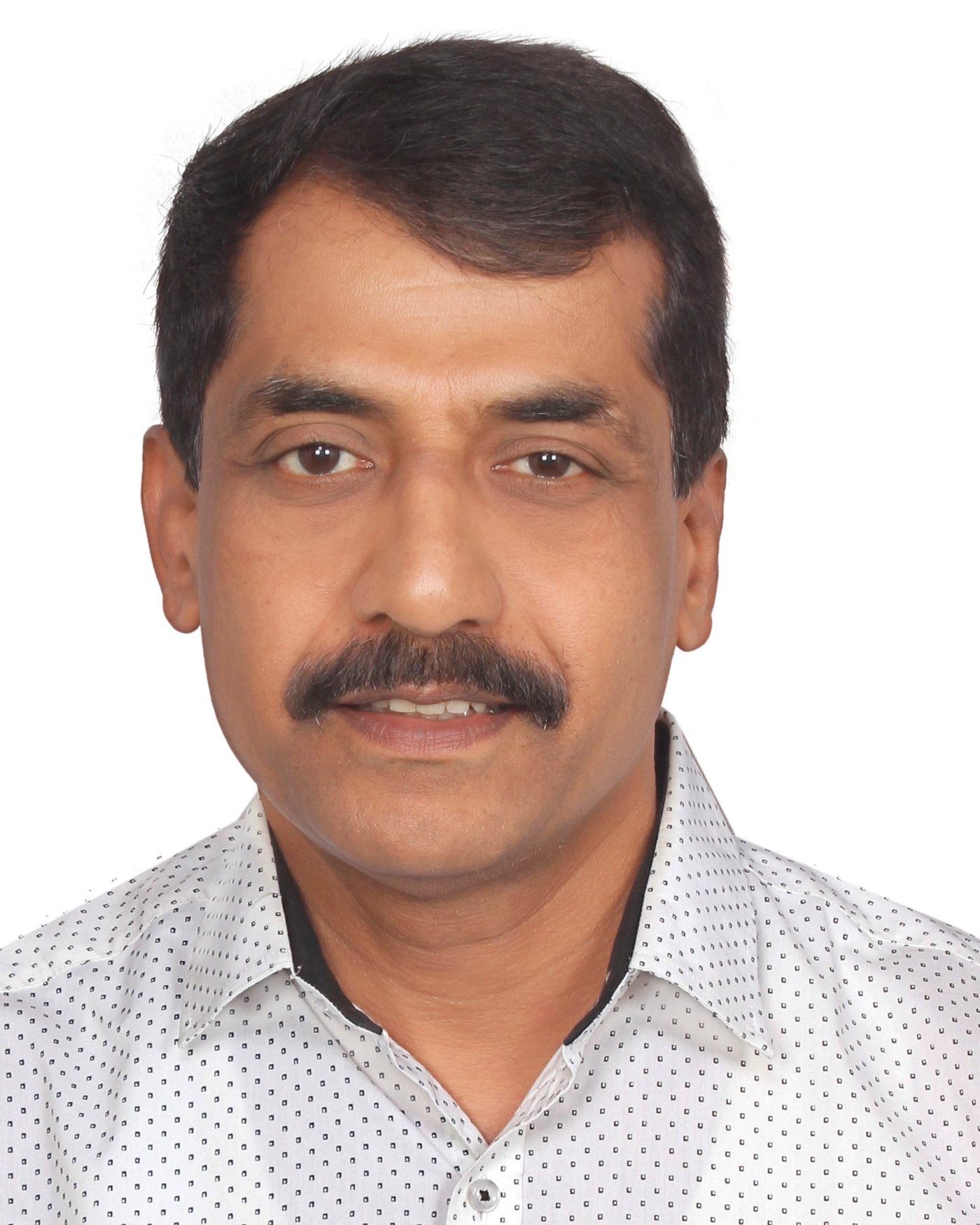
A.R. Shivakumar joined the Karnataka State Council for Science and Technology at the Indian Institute of Science in 1981, working on village industry equipment and, between 1984 and 1994, on popularising solar water heaters. He was a programme executive at the International Energy Initiative's Asia office (1994–2000) and programme manager of the Indo-Norwegian Environment Programme (2000–2004) before returning to KSCST, where his rainwater harvesting work helped bring about policy change in Karnataka.
By his account he has designed or implemented more than 200 rainwater harvesting projects — among them the Vidhana Soudha, the High Court of Karnataka, the General Post Office, the Kidwai Memorial Institute of Oncology and the BBMP headquarters — and systems in some 23,000 government schools across the state. He holds patents including the First Flush Filter, established India's first Rainwater Harvesting Theme Park in Jayanagar, Bengaluru, and built Sourabha, his own house, as a living laboratory.
His honours include a National Award from the Government of India (2001), Rotary International's Citizen Extraordinary (2007) and the Karnataka government's Ammulya innovation award (2012). He has been featured in Forbes, TIME and Business Today.