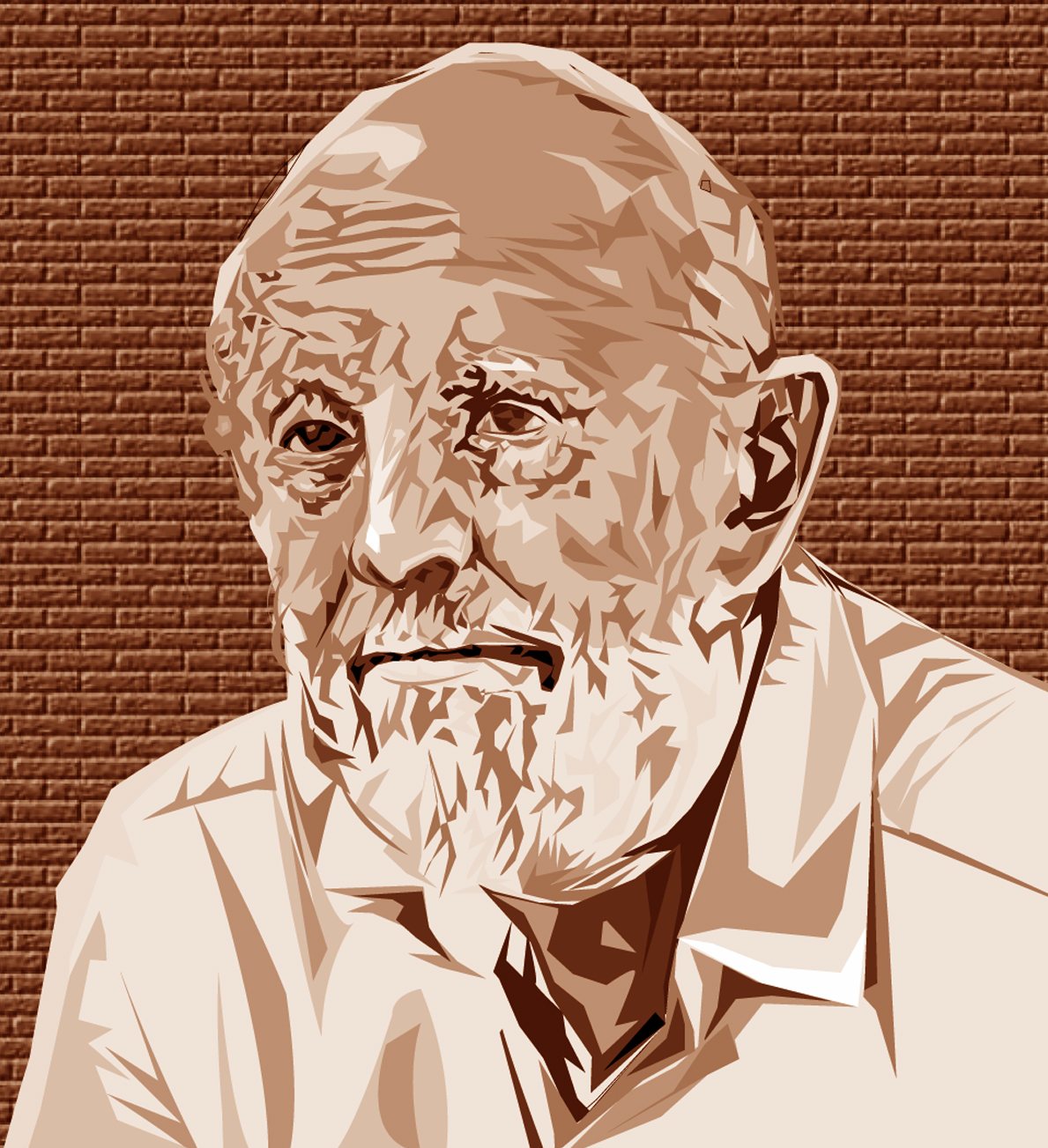
Laurie Baker: the architecture of less
What India's most beloved architect can still teach us about building for climate, community and the future.
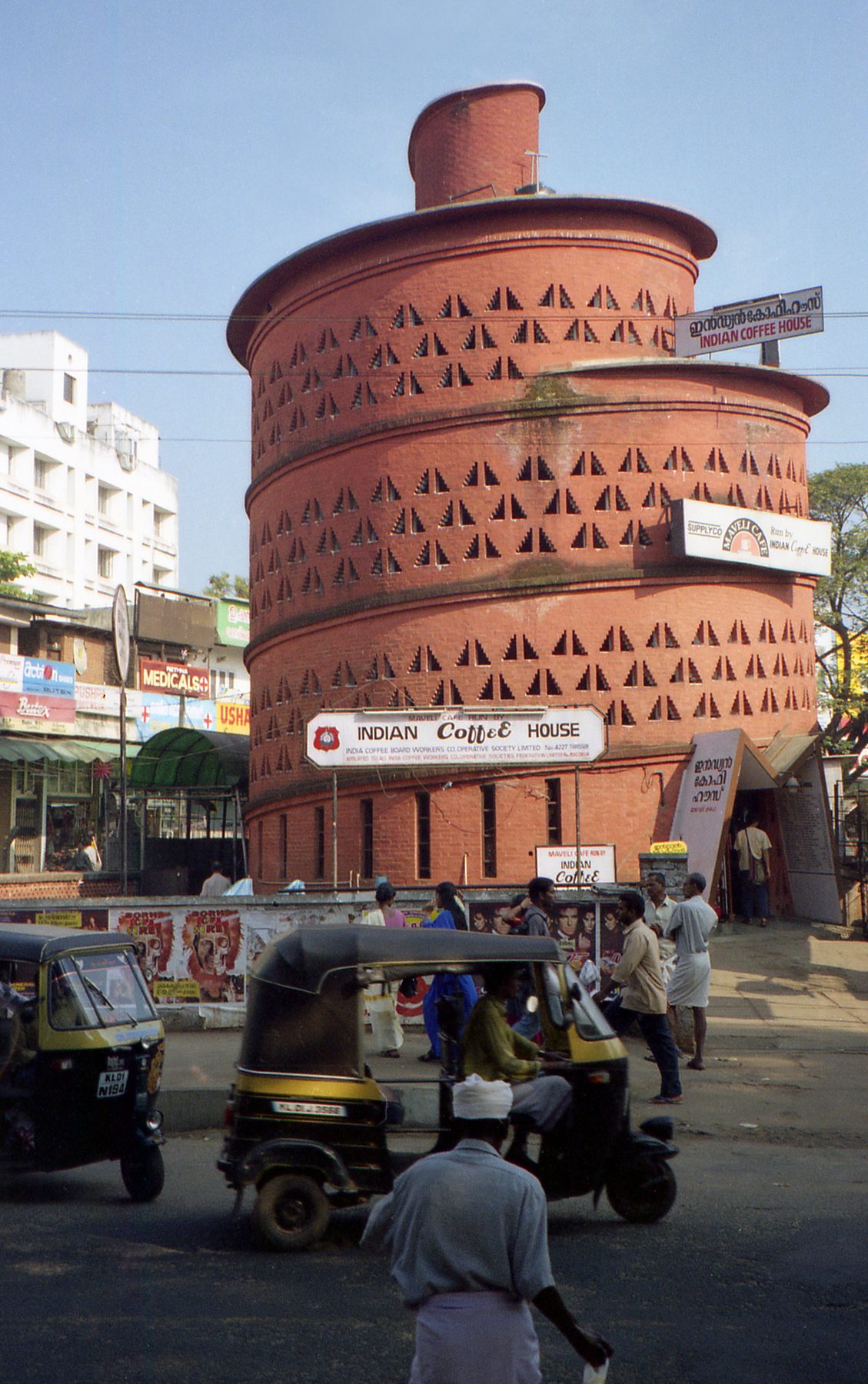
Contemporary architecture often sells excess — taller towers, bigger houses, newer materials, larger budgets. Yet some of the most enduring lessons in building come not from abundance but from restraint. Few architects embodied that idea more completely than Laurie Baker.
More than three decades after his most influential work, Baker's buildings still feel remarkably current. As the profession confronts climate change, resource scarcity and rising construction costs, his approach reads less like an alternative and more like a blueprint for what comes next.
He designed no iconic skylines and chased no trends. He asked, instead, a deceptively simple question: how can we build better with what we already have? The answer reshaped Kerala's architectural landscape, shaped generations of Indian architects after him, and offers compelling proof that architecture need not be expensive, complicated or wasteful to endure.
An unlikely Indian architect
Born in Birmingham in 1917, Laurie Baker trained as an architect before arriving in India in the 1940s. What began as a temporary stay became a lifelong commitment.
His early years working in rural communities exposed him to a reality formal practice tends to ignore: most people don't need monuments. They need homes that are affordable, comfortable and responsive to where they stand. That perspective would define his whole career.
Settling in Kerala, Baker immersed himself in local building traditions, studying how people built with the materials around them and how older buildings had handled heat, rain and humidity long before air-conditioning. Rather than importing solutions, he learned from the intelligence already embedded in the landscape. The result was an architecture rooted in place rather than style — unmistakably modern, yet deeply attuned to local climate, materials and craft. It felt Indian not because it copied historical forms, but because it answered Indian conditions honestly.
Building with climate, not against it
Kerala's climate is unforgiving to careless architecture — heavy monsoon rain, intense humidity, strong tropical sun. Baker treated these not as problems to overcome but as forces to design alongside.
Long before “climate-responsive design” was a professional phrase, he was experimenting with passive strategies that cut a building's reliance on machinery: deep overhangs to keep rain off the walls, openings placed for cross-ventilation, brick jali screens that filter the sun while letting air through, courtyards that temper the heat and draw the outside in.
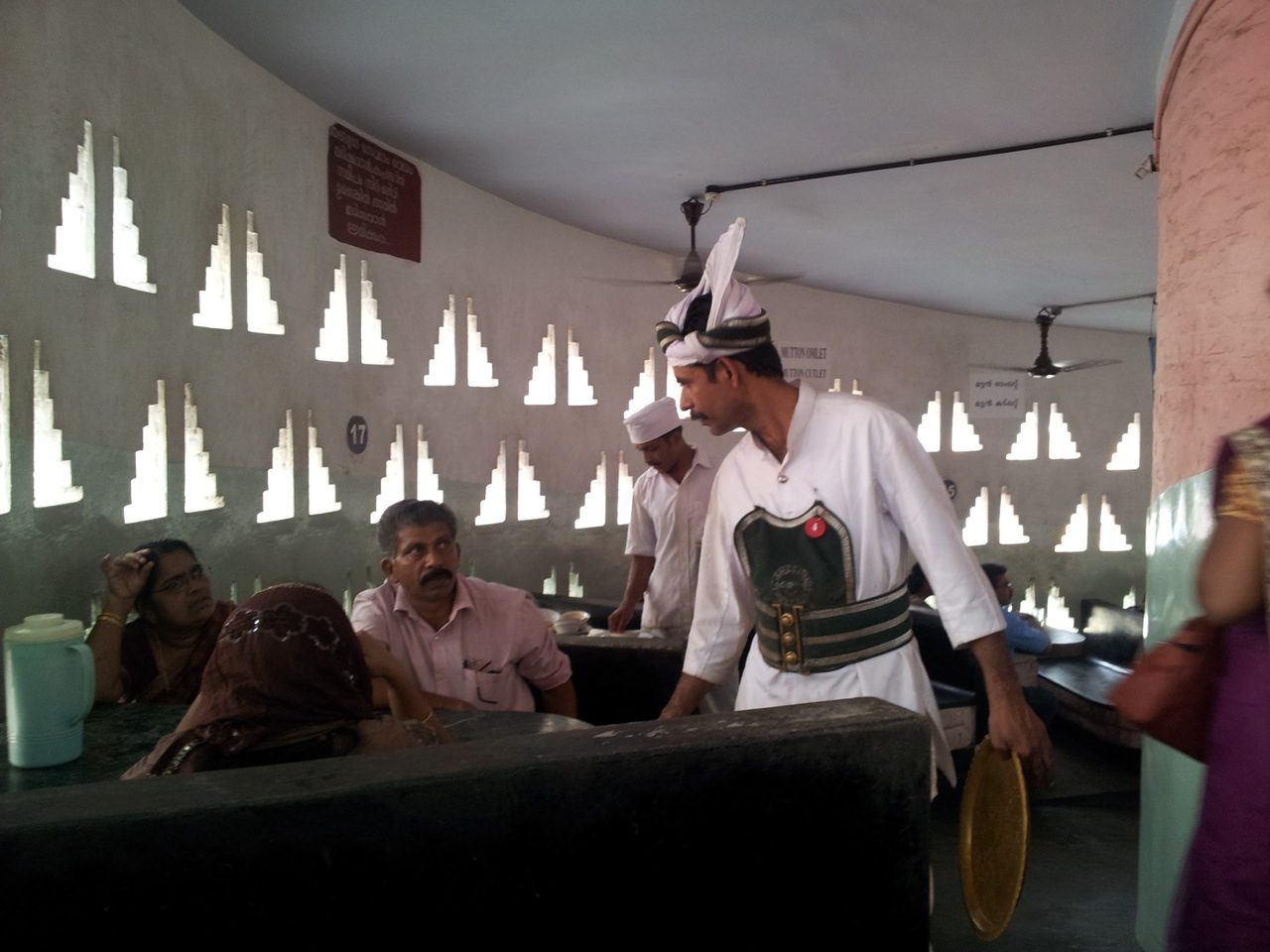
The moves were usually simple; their power came from understanding how a building actually behaves in its weather. Where much contemporary work leans on technology to fix problems the design itself created, Baker answered the climate from the first sketch — and needed fewer expensive corrections later. It is a lesson that only grows more relevant as Indian cities face rising heat, erratic rain and swelling energy bills.
The beauty of doing more with less
Perhaps Baker's most important conviction was that affordability and architectural quality can coexist. In much of the world, low-cost housing is treated as a compromise; Baker rejected that outright, and his projects proved that thoughtful design can cut cost without cutting dignity or beauty.
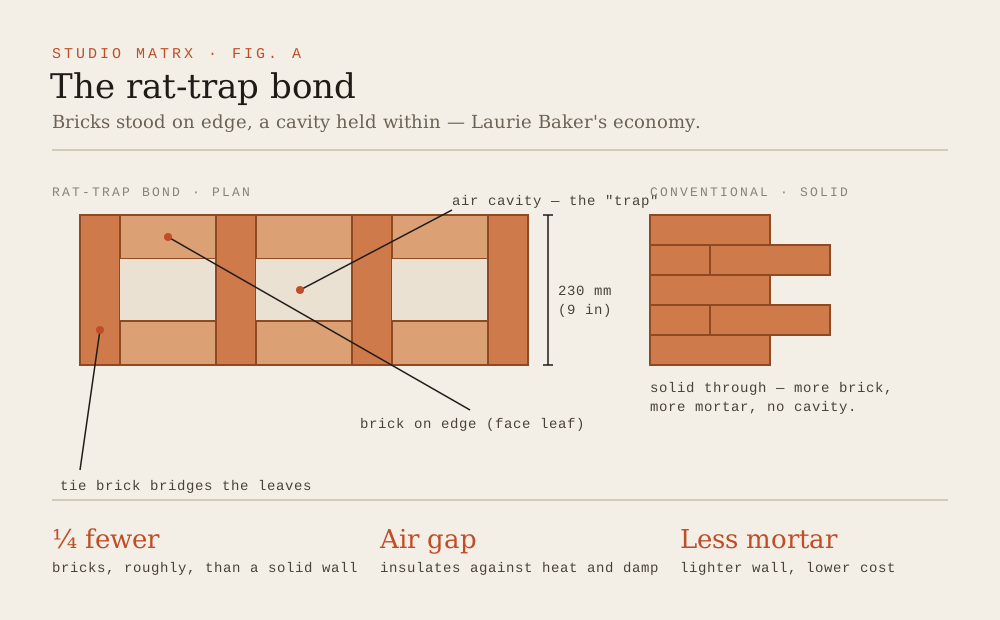
The technique he's best known for, the rat-trap bond, lays bricks on edge to leave a cavity inside the wall — using less material while improving thermal performance. It is the whole philosophy in a single detail: not a search for expensive technology, but an intelligent way to use an ordinary material better.
That instinct runs through everything. Walls curved where it helped, saving material while gaining strength. Construction waste was reused. Local materials cut transport to almost nothing. Every decision did several jobs at once — and the result wasn't merely economical. It felt generous, in spite of its modest means.
Lessons in resilience
For an issue about resilience, Baker's work carries a pointed reminder: resilience is not always a matter of stronger materials or bigger systems. Very often it begins with simplicity.
A building of local materials is easier to repair. One designed for natural ventilation keeps working when the power fails. One that responds to its climate rather than fighting it needs fewer resources to maintain over a lifetime. A resilient building isn't necessarily one that prevents every problem; it is one that can adapt, recover and keep serving its people as conditions change. Baker's buildings last not through technical complexity but through good decisions made at the very beginning — a distinction that matters more with every uncertain season.
Beyond sustainability
It is tempting to file Baker under “sustainable architect.” The label is accurate and incomplete. Sustainability, as we usually discuss it, leans on metrics, certifications and targets; Baker's work meets those aims, but his philosophy reached past them to something simpler and larger: responsibility. Responsibility to resources, to climate, to communities, and to the generations who would use a building long after him.
His buildings insist that architecture is never only an aesthetic act — that every decision carries social, economic and environmental weight. By taking that weight seriously, he made work that stays relevant decades on.
The architecture we need now
Indian architecture's challenges today are large. Cities are expanding fast, costs keep climbing, climate risk is harder to ignore, and the demand for decent housing and public infrastructure only grows. No single architect answers all of that.
But Baker's work gives us a better set of questions to ask. How can we build with fewer resources? How can we make architecture more accessible? How can a building respond intelligently to its climate? How can design improve daily life rather than simply impress? Those questions are as urgent now as they were in his lifetime — which is probably why the work still resonates.
It endures not because it belongs to the past, but because it points to a future in which architecture is measured by how thoughtfully it serves rather than how much it consumes. In a profession forever chasing the new, Laurie Baker is the reminder that some of the most powerful ideas are also the simplest — and in an age of uncertainty, there may be no more resilient lesson than that.