
Water Conservation
You don't need drinking water to flush a toilet
One quiet fact reframes indoor water use: you do not need drinking-quality water to flush a toilet. Producing potable (drinking) water is expensive and energy-intensive, yet we flush it away, mop with it and water gardens with it. Match the water quality to the use, and a large share of demand can be met with non-potable water — harvested rainwater and recycled greywater — while low-flow fixtures cut the rest. This unit is the honest plumbing of a water-wise interior.
Learning objectives
By the end of this lesson, you will be able to — mapped to the course outcomes for Sustainable Interior Design:
Distinguish potable from non-potable water and match water quality to each use.
Cut consumption with low-flow fixtures, dual-flush cisterns and aerators, to sensible fixture standards.
Supply non-potable demand with rainwater harvesting and greywater reuse via dual plumbing.
Potable vs non-potable
Potable water is treated to drinking quality (costly to make); non-potable water is fine for flushing, cleaning and irrigation. ‘Every tap needs drinking water’ is a myth — reserve potable supply for drinking and cooking, and meet the rest with harvested or recycled water.[1]
Match quality to use
The key idea: POTABLE water is treated to DRINKING quality, which is expensive and energy-intensive to produce; NON-POTABLE water is clean enough for other uses but not for drinking. The waste we have normalised is flushing toilets, mopping floors and watering gardens with precious potable water. 'Every tap needs drinking water' is a MYTH — match the water QUALITY to the use, and reserve potable supply for drinking and cooking.[1]
Use less at the fixture
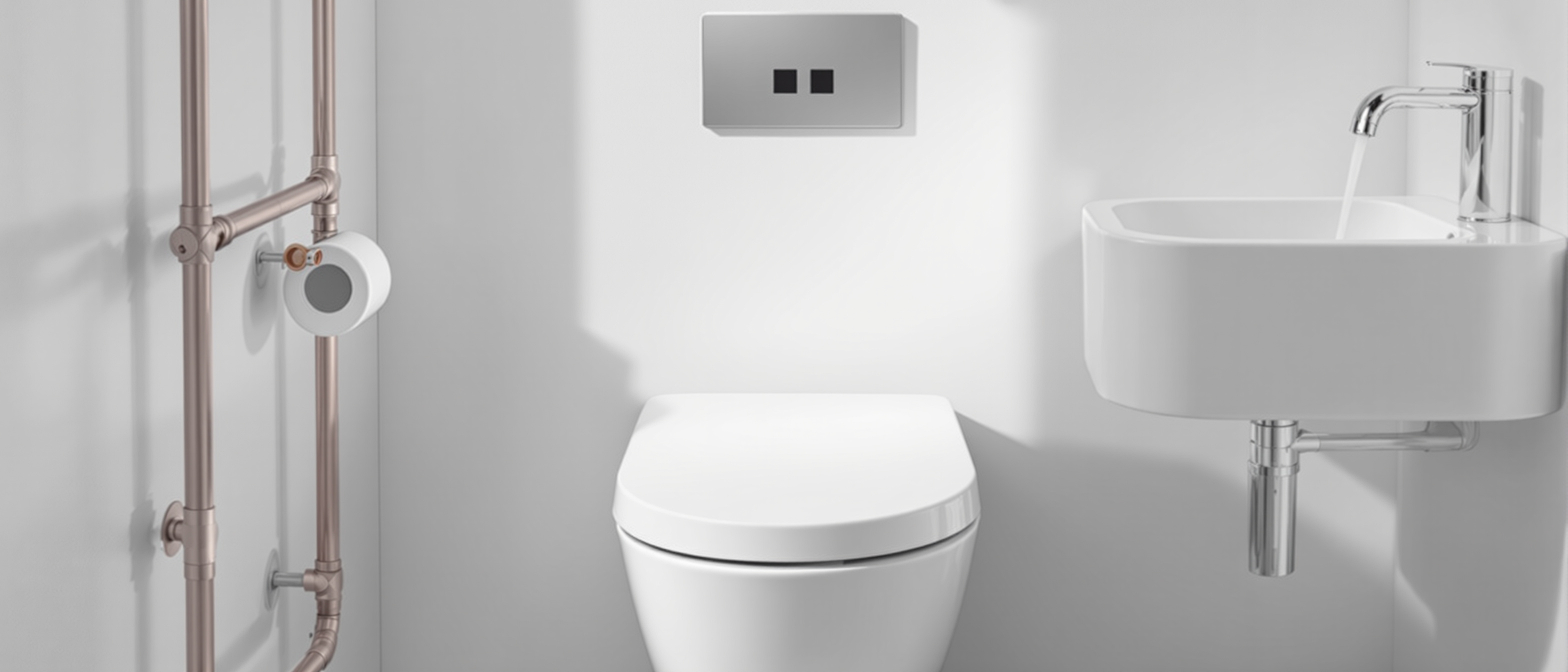
The cheapest saving is using less at each tap: low-flow taps and showers, tap aerators (which mix in air so the stream feels full at half the flow), dual-flush cisterns and efficient appliances — big savings, invisible to the user, and permanent for the building.[1, 2]
Use less at the tap
The cheapest saving is using LESS at each fixture: LOW-FLOW taps and showers, tap AERATORS (which mix air into the stream so it feels full at half the flow), DUAL-FLUSH cisterns (a small flush for liquid, a full one only when needed), and efficient appliances. Sensible fixture standards for kitchen, toilet and utility cut consumption sharply with no loss of function — often the single easiest sustainability win in an interior.[1, 2]
Harvest & reuse
Rainwater harvesting catches roof and paved runoff for non-potable use and groundwater recharge; greywater (basin, shower and washing water, not toilet blackwater) is reusable for flushing and irrigation — both needing dual plumbing planned early.[1, 3]
Catch it where it falls
RAINWATER HARVESTING collects rain from roofs and paved areas, filters it, and stores it (or recharges it to the ground) for non-potable use — flushing, cleaning, irrigation — and to recharge groundwater. In much of India it is now required by bye-laws for larger plots. Even a modest system offsets a real share of a building's mains demand and buffers against shortage; the interior's plumbing must be planned to use it.[1, 3]
At a glance
| Aspect | The fact | The folklore |
|---|---|---|
| Potable water | Treated to drinking quality — reserve it for drinking/cooking | What every tap and toilet should use |
| Flushing a toilet | A non-potable use — harvested or recycled water | Needs drinking-quality water |
| Cutting consumption | Low-flow fixtures, aerators, dual-flush | Just use less by willpower |
| Rainwater | Harvested for non-potable use and recharge | Sent straight to the drain |
| Greywater | Basin/shower water reused for flushing and irrigation | The same as toilet blackwater |
| Dual plumbing | Planned early — two networks, potable and non-potable | Retrofitted later at high cost |
Key terms
Potable = treated to drinking quality (expensive to produce); non-potable = clean enough for flushing, cleaning and irrigation but not drinking. Match water quality to the use.
Taps, showers and cisterns designed to deliver function with less water — aerators mix in air, dual-flush cisterns use a small flush for liquid — cutting consumption invisibly.
Collecting, filtering and storing (or recharging) rain from roofs and paving for non-potable use and groundwater recharge — often required by bye-laws for larger plots.
The relatively clean wastewater from basins, showers and washing (not toilet blackwater) — treatable and reusable for flushing and irrigation.
Two separate pipe networks — one for potable water to drinking/kitchen points, one for non-potable (harvested/recycled) water to flushing and landscape — best planned from the start.
Wastewater from toilets, carrying human waste — must be treated in the sewage system, unlike greywater, and is not reused indoors without full treatment.
Study task
Map the water in one home or small building. First, classify every use as needing potable water (drinking, cooking) or only non-potable water (flushing, cleaning, garden), and note how much of the total is actually non-potable. Then cut demand: specify the low-flow taps, aerators and dual-flush cisterns you would use, and estimate the saving. Finally, sketch a simple dual-plumbing scheme — where rainwater is harvested and stored, where basin and shower greywater is collected and lightly treated, and the two pipe networks (potable to kitchen and drinking points, non-potable to flushing and landscape). Note one thing that is cheap to plan now and expensive to retrofit later.
Self-assessment
1. What is the difference between potable and non-potable water?
2. Why is flushing a toilet with mains water wasteful?
3. What is greywater?
4. What does reusing greywater and harvested rainwater require?
5. What is the cheapest way to cut indoor water use?
Recap
References & further reading
- [1]Indoor water conservation — potable vs non-potable, low-flow fixtures, rainwater harvesting and greywater reuse (green-building water references; GRIHA/IGBC water credits). https://www.grihaindia.org/
- [2]Water-efficient fixtures and standards — dual-flush, aerators, low-flow taps and showers (fixture and plumbing standards). https://www.bis.gov.in/
- [3]Rainwater harvesting and greywater/dual plumbing — collection, storage, recharge and reuse (Centre for Science and Environment; local bye-laws). https://www.cseindia.org/rainwater-harvesting
Further reading
- J.P. Riggs, Materials and Components of Interior Design (Regents Hall).
- GRIHA / IGBC rating manuals — water conservation criteria.
- Centre for Science and Environment — rainwater harvesting manuals.
Sources gathered and fact-checked June 2026. Published values vary by source, sample and method — treat as indicative and confirm against the cited standard before structural use.
The author
Amogh N P
Architect, interior designer, and creative polymath. Studio Matrx began in his notebooks — his vision of design made honest, useful, and open to everyone. Its Academy is written and taught in his memory, and free, forever.
More about Amogh →