
 Lesson 6.3
Lesson 6.3 · The method in action
Method Under Constraint
No moving walls. No building lofts. No drilling that risks the deposit. Most urban Indians rent — and can change nothing structural. Can the whole method still work using only what you can pack and take with you?
The first two homes let you change the building — move a wall, carve a niche, build a loft. But the most common Indian housing reality forbids all of it. A rental tests whether the method is a set of building works, or a way of thinking that survives even when you can't touch the walls.
A huge share of urban Indians rent, often for years, and a lease typically forbids structural change: no moving walls, no permanent lofts, no carved niches, often not even drilling without risking the deposit. This case asks the real question: does the method still hold when every move must be reversible?
The home: a rented 1BHK, ~450 sq ft. Who: Rohan & Sneha, newly married, renting. Where: Andheri, Mumbai. The hard rule: nothing structural — it all leaves when they do.
The answer is yes — because three of the four levers were never structural to begin with, and the fourth has reversible equivalents. The method bends to the constraint without breaking. Here's each lever, translated for a rental.
The good news a renter rarely hears
The reassuring truth: three of the four levers are almost entirely portable. Renters are told small-space design is for owners — it isn't. Look at what each lever actually requires:
Subtract is completely free. Editing your possessions and clearing the floor needs no permission and no construction. It's arguably more valuable in a rental — less to own is less to pack, and renters move often. Subtract is the renter's most powerful lever, fully available.
Layer is just furniture. Convertibles, multi-use pieces, and time-sharing are all freestanding. A wall bed that's a freestanding Murphy unit, a sofa-bed, a fold-down desk that clamps rather than drills — Layer travels with you, and is resold or carried to the next flat.
Storage is mostly portable. Freestanding storage, under-furniture drawers, over-door organisers, tension-rod systems — nearly all storage is non-structural. Only built-in niches are off the table, and freestanding pieces replace them. The system logic is identical; only the fittings change.
That leaves only Extend's building moves — the loft, the carved opening — needing reversible substitutes. Three and a half levers out of four work untouched.
Rohan & Sneha's rental, lever by lever
Everything here packs into a moving van. Not one move risks the deposit — and the flat still does far more than the bare 1BHK they signed for.
01 · Subtract. They moved in with less, deliberately — editing before unpacking. The landlord's clunky wardrobe was negotiated out and stored by the owner, freeing a whole wall. Subtraction by negotiation, not demolition.
02 · Layer. A freestanding Murphy bed (no wall fixing) turns the bedroom into a daytime study; a sofa-bed in the hall hosts visiting parents; a drop-leaf table seats four or folds to nothing. All freestanding, all resaleable.
03 · Extend. No loft, no carved openings — but a large leaning mirror throws the window's light deep; sheer curtains replace the landlord's heavy ones (kept in a box for move-out); the balcony stays clear for the long view. Felt space, zero fixings.
04 · Storage. Tension-rod shelving in a recess (no drilling), over-door organisers, under-bed drawers, a freestanding tall unit for the high band the loft would've given. Every Indian load housed — pooja on a freestanding shelf with dignity — all packable.
A bare rented 1BHK, transformed into a home that lives like a far larger one — and reverts to bare walls in a weekend when the lease ends. The method is a way of thinking, not a set of building works.
Go deeper — the things renters should spend on
A renter's spending strategy differs from an owner's in one key way: buy what moves with you, not what stays. The smart rental investment is in quality freestanding, transformable furniture — a good Murphy bed, a solid sofa-bed, modular storage — because these come to the next flat and the one after, amortising across years and homes. They're not improvements to someone else's property; they're your portable home, assembled.
What renters should not spend on is anything that permanently improves the landlord's asset: built-in wardrobes, fixed lofts, tiled feature walls. That money walks out the door at lease-end and into the owner's equity. The discipline — portable over permanent — turns the rental constraint into a financial advantage: a renter who furnishes this way carries a complete, refined small-space system from home to home, getting better each move, while never sinking money into walls they don't own. The constraint, taken seriously, makes you a smarter buyer.
Every lever, made reversible
For each lever, the move you'd make if you owned the place — and the reversible equivalent that does the same job in a rental, leaving no mark. Tap each lever to see the translation.
Remove walls, demolish built-ins
An owner might knock down a non-load-bearing wall or rip out clumsy built-in furniture to open the floor.
Edit your things; negotiate out landlord furniture
No demolition needed — subtracting your own possessions is free and permission-less. Unwanted landlord pieces can often be negotiated out and stored by the owner. Subtract is the renter's strongest, fully-available lever.
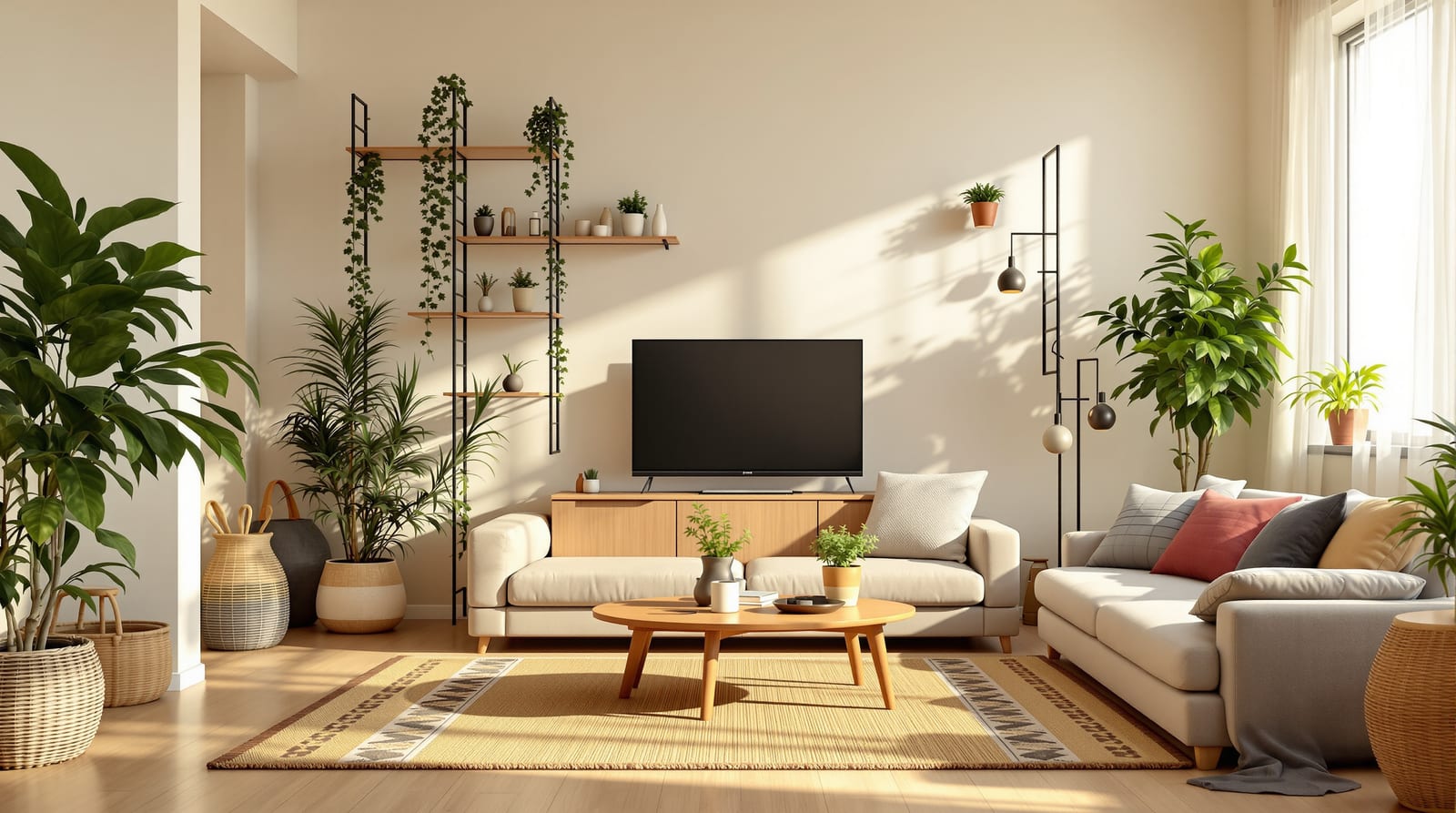
Fig 6.3 — Three levers were never structural; only Extend’s building moves need translating. The method survives the lease.
Fig 6.3 — Three levers were never structural; only Extend's building moves need translating. The method survives the lease.
A renter assumes serious small-space design isn't for them — “it's all lofts and built-ins you need to own the place for.” How does this case answer them?
Run the method yourself
If you rent, run the method through a “would this leave with me?” filter.
- 1Subtract freely. Edit your things — the most powerful, permission-free lever, and the kindest to your next move. Negotiate out unwanted landlord furniture if you can.
- 2Buy Layer as furniture. Choose freestanding convertibles — a Murphy unit that doesn't fix to the wall, a sofa-bed, a clamp-on or freestanding desk. Things you can resell or carry onward.
- 3Extend without fixings. Leaning mirrors, sheer curtains (box the landlord's), clear sightlines, a clean balcony. Felt space needs no drill.
- 4Store with tension and freestanding. Tension rods, over-door units, under-furniture drawers, a tall freestanding unit for the “high band.” Box anything you remove, to restore at move-out.
- Most urban Indians rent and can change nothing structural — yet the whole method still applies.
- Subtract is completely free — no permission, no construction, and kindest to the next move.
- Layer is just furniture — freestanding convertibles that travel with you.
- Extend goes fixing-free — mirrors, sheer curtains and clear sightlines replace lofts and carved openings.
- Storage stays portable — tension rods, over-door and under-furniture systems replace built-in niches.
- Portable over permanent: buy what moves with you, never what improves a landlord's asset. The method is a way of thinking, not building works.
You've seen the method on a studio, a family flat, and a rental — every kind of home but one. The last case study is the only one that matters most: your own. How do you run the complete method, start to finish, on the home you live in?
The author
Amogh N P
Architect, interior designer, and creative polymath. Studio Matrx began in his notebooks — his vision of design made honest, useful, and open to everyone. Its Academy is written and taught in his memory, and free, forever.
More about Amogh →