
Concept to Commissioning
Feasibility, regulatory strategy, EPC and handover.
Scheduling is the middle of a much longer story. Before a line is drawn comes the feasibility study; then real-estate and regulatory strategy (land, FSI, bye-laws, RERA, clearances), facility programming, and design management. The works may be delivered as EPC — one contractor for engineering, procurement and construction, turnkey — and it all ends in testing and commissioning, proving every system works before handover.
Learning objectives
By the end of this lesson, you will be able to — mapped to the course outcomes for Project Management:
Explain the feasibility study and its technical, financial, legal and market dimensions.
Describe real-estate and regulatory strategy — land, FSI, bye-laws, RERA, clearances.
Explain facility programming, design management and the EPC delivery model.
Sequence testing and commissioning through to handover.
Origination — feasibility to design
A feasibility study tests viability before commitment; the regulatory strategy clears the land and the envelope; and programming sets the brief that design management then delivers.[1, 2]
Should we build at all?
A FEASIBILITY STUDY tests viability before money is committed across several lenses: TECHNICAL (can it be built on this site?), FINANCIAL/ECONOMIC (does it pay? — NPV, IRR, payback, benefit–cost ratio), LEGAL/REGULATORY (is the land clear and the use permitted?), MARKET (is there demand?), OPERATIONAL and ENVIRONMENTAL. In Indian practice its findings are consolidated into a DETAILED PROJECT REPORT (DPR). A project that fails feasibility should be stopped here — the cheapest place to kill a bad idea.[1, 2]
Delivery & commissioning
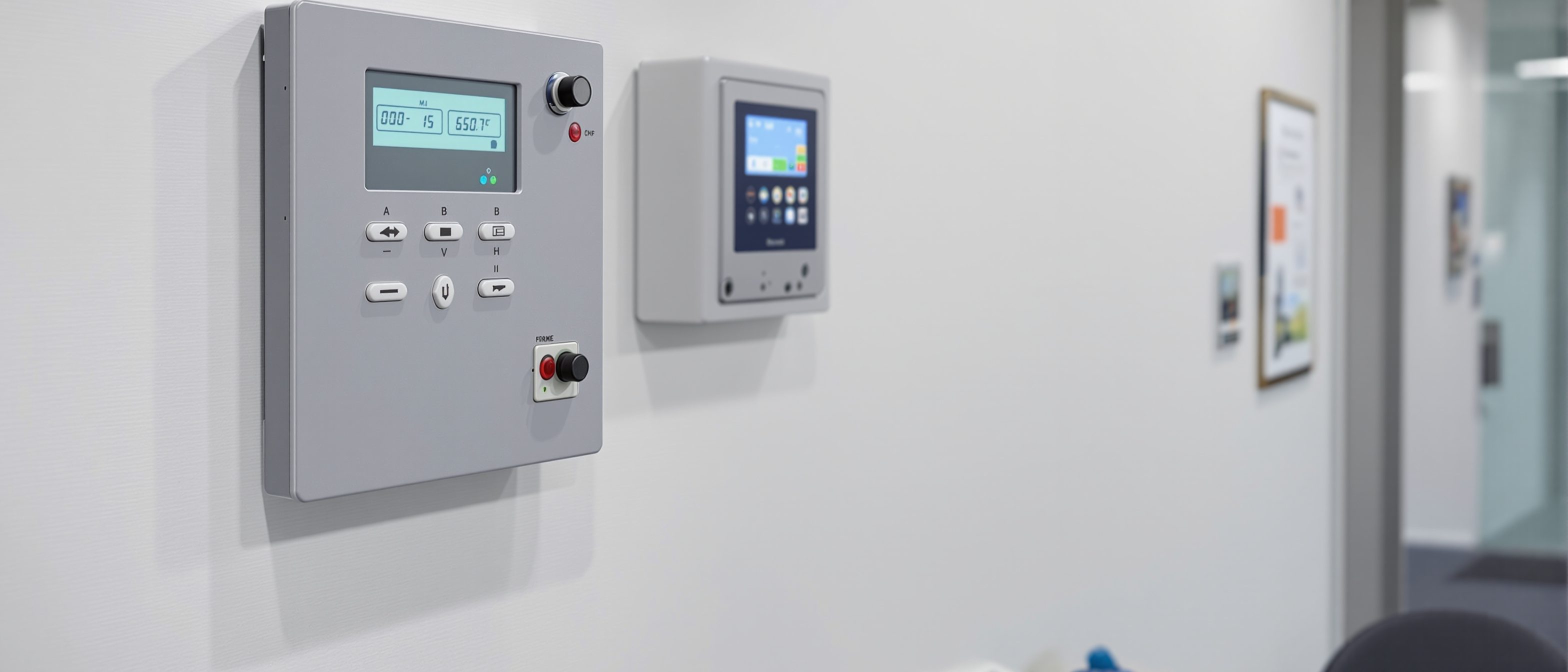
EPC bundles engineering, procurement and construction under one turnkey contractor; testing and commissioning then proves every system against design intent before the building is formally handed over.[2, 3, 4]
One contractor, fixed deal
EPC (Engineering, Procurement, Construction) is a delivery model where ONE contractor takes responsibility for design engineering, procurement of materials/plant and construction — usually TURNKEY, at a fixed lump-sum price and fixed completion date ('LSTK'). It transfers maximum risk to the contractor and gives the owner single-point accountability and cost/time certainty, at a price premium. It dominates Indian infrastructure (power, highways, process plants). Contrast it with traditional DESIGN-BID-BUILD and with a PMC (project-management consultancy) running the owner's interests.[2, 3]
At a glance
| Aspect | Design-bid-build | EPC / turnkey |
|---|---|---|
| Design responsibility | DBB: owner / consultants | EPC: the single contractor |
| Cost & time certainty | DBB: lower (variations likely) | EPC: higher (lump-sum, fixed date) |
| Risk on | DBB: shared | EPC: mostly the contractor |
| Owner's control | DBB: high (designs it) | EPC: lower (cedes design) |
| Common for | DBB: buildings | EPC: Indian infrastructure / plants |
Key terms
A pre-commitment test of technical, financial, legal and market viability.
Detailed Project Report — the consolidated case for an (Indian) project.
The Real Estate (Regulation & Development) Act — registration/regulation of sale projects.
Defining spatial/functional requirements (the brief) before design.
One contractor for engineering, procurement and construction; fixed price/date.
Testing and proving every system works before formal handover.
Studio task
Pick a real building near you (a mall, a hospital, an apartment block). Sketch its journey from concept to commissioning: what would its feasibility study have tested, which clearances and RERA steps it needed, whether EPC or design-bid-build suited it, and what systems its commissioning would have proven before opening. End with one sentence on why the project did not truly “finish” when construction stopped.
Self-assessment
1. The CHEAPEST point to stop a non-viable project is —
2. In an EPC / turnkey contract, design responsibility sits with —
3. Commissioning a building means —
Recap
References & further reading
- [1]K.K. Chitkara, Construction Project Management (McGraw Hill, India) — project life cycle, feasibility, design management.
- [2]Sam Kubba, Green Construction Project Management and Cost Oversight (Elsevier) — feasibility, delivery, commissioning.
- [3]FIDIC, Conditions of Contract for EPC/Turnkey Projects (Silver Book) — the EPC delivery model.
- [4]ASHRAE / CIBSE commissioning guidelines & NBC 2016 — systems testing, commissioning and handover.
Further reading
- K.K. Chitkara — Construction Project Management.
- Sam Kubba — Green Construction Project Management and Cost Oversight.
- PMI — PMBOK Guide (project life cycle).
Sources gathered and fact-checked June 2026. Published values vary by source, sample and method — treat as indicative and confirm against the cited standard before structural use.
The author
Amogh N P
Architect, interior designer, and creative polymath. Studio Matrx began in his notebooks — his vision of design made honest, useful, and open to everyone. Its Academy is written and taught in his memory, and free, forever.
More about Amogh →