

Platonic Solids & Computation
The five perfect solids, Euler's formula, and geometry as code.
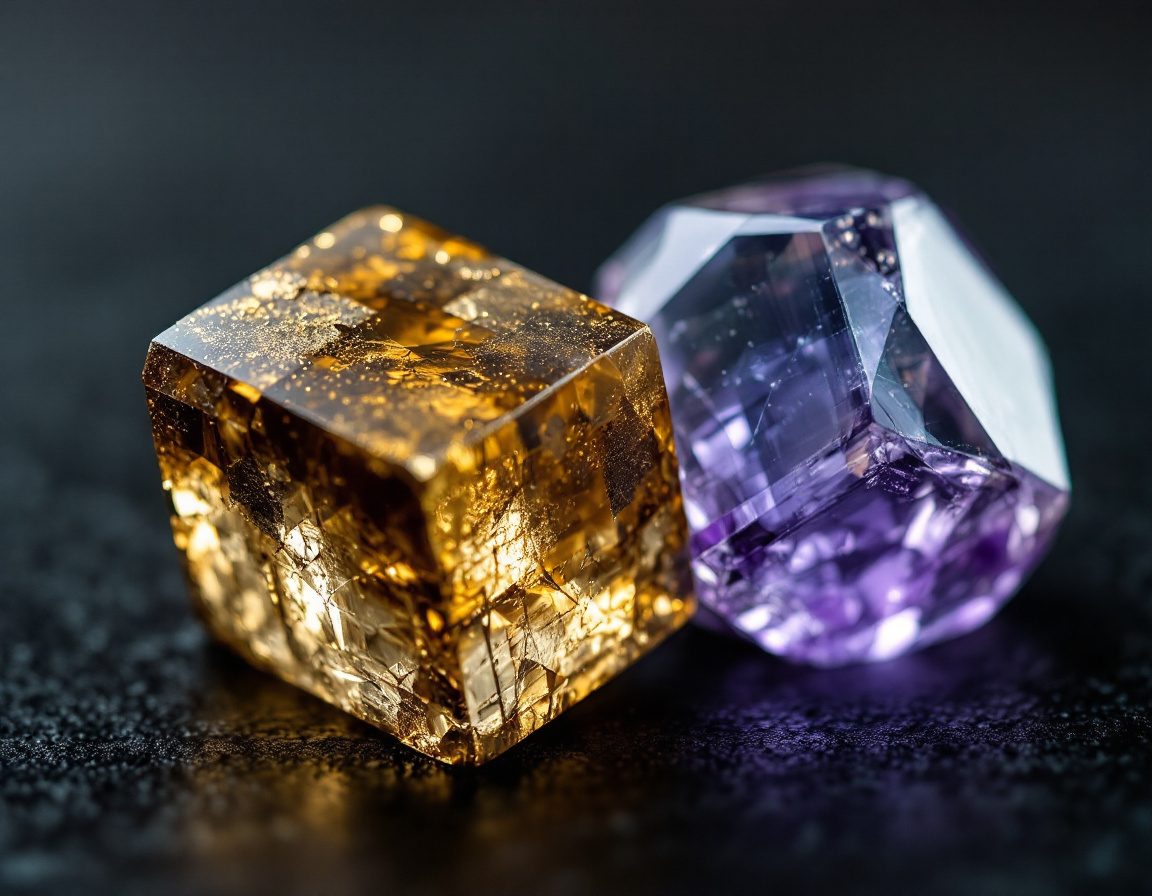
Of all the solids you could build, only five are perfectly regular — the Platonic solids, known since antiquity. They hide a beautiful piece of arithmetic (Euler's formula), they build geodesic domes, and they are, quite literally, how a 3D model is stored in code. A fitting place to end a course on the maths of architecture.
Learning objectives
By the end of this lesson, you will be able to — mapped to the course outcomes for Building Materials & Construction I:
Name the five Platonic solids and verify Euler's formula V − E + F = 2.
Explain duality between the solids.
Connect polyhedra to geodesic domes, space frames and structural efficiency.
See how a solid is represented as a mesh in computational design.
The five solids & Euler's formula
Select a solid below to spin it and read its vertices, edges and faces — and watch Euler's formula V − E + F = 2 hold every time.[1, 2]
The five Platonic solids
Cube
Faces: 6 squares · dual: Octahedron
Polyhedra in architecture & code
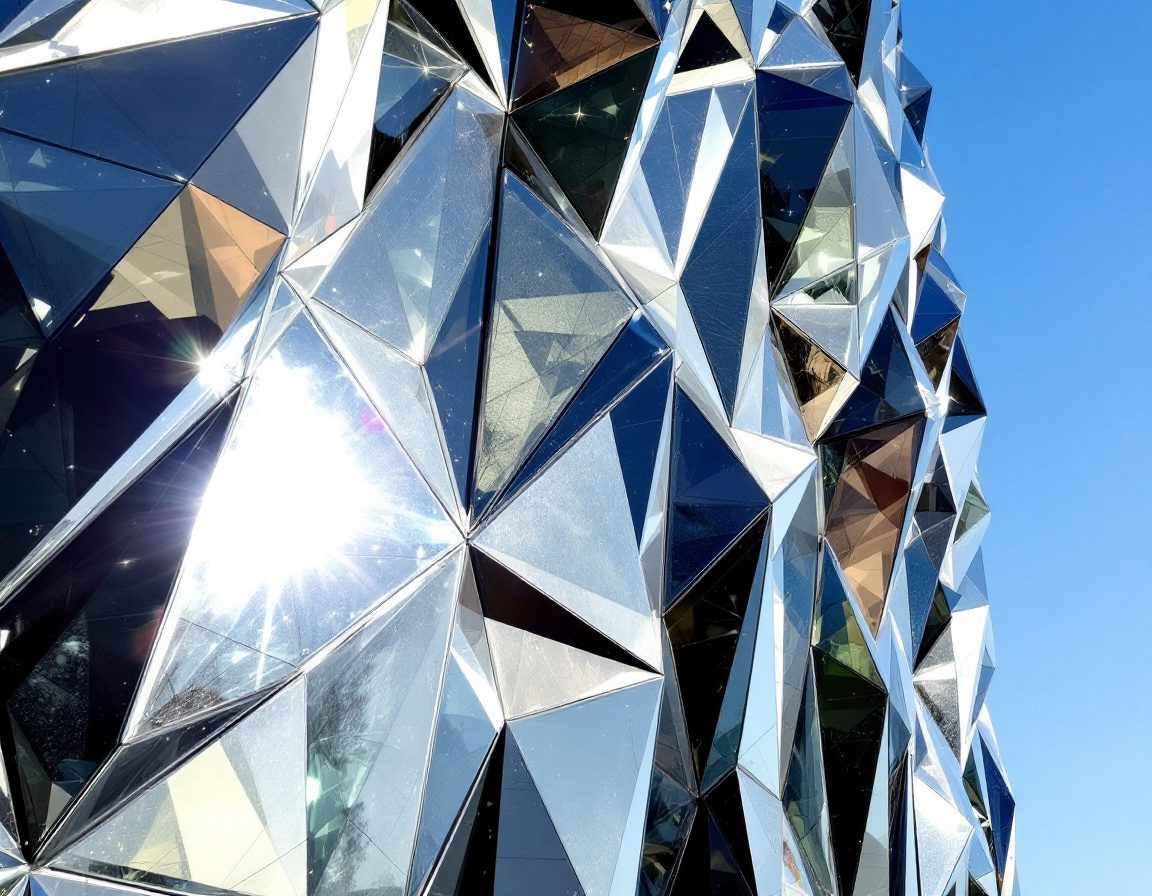
Triangulated polyhedra make some of the strongest, lightest structures ever built — and the same geometry is the language of computational design. Select a theme.
Geodesic domes
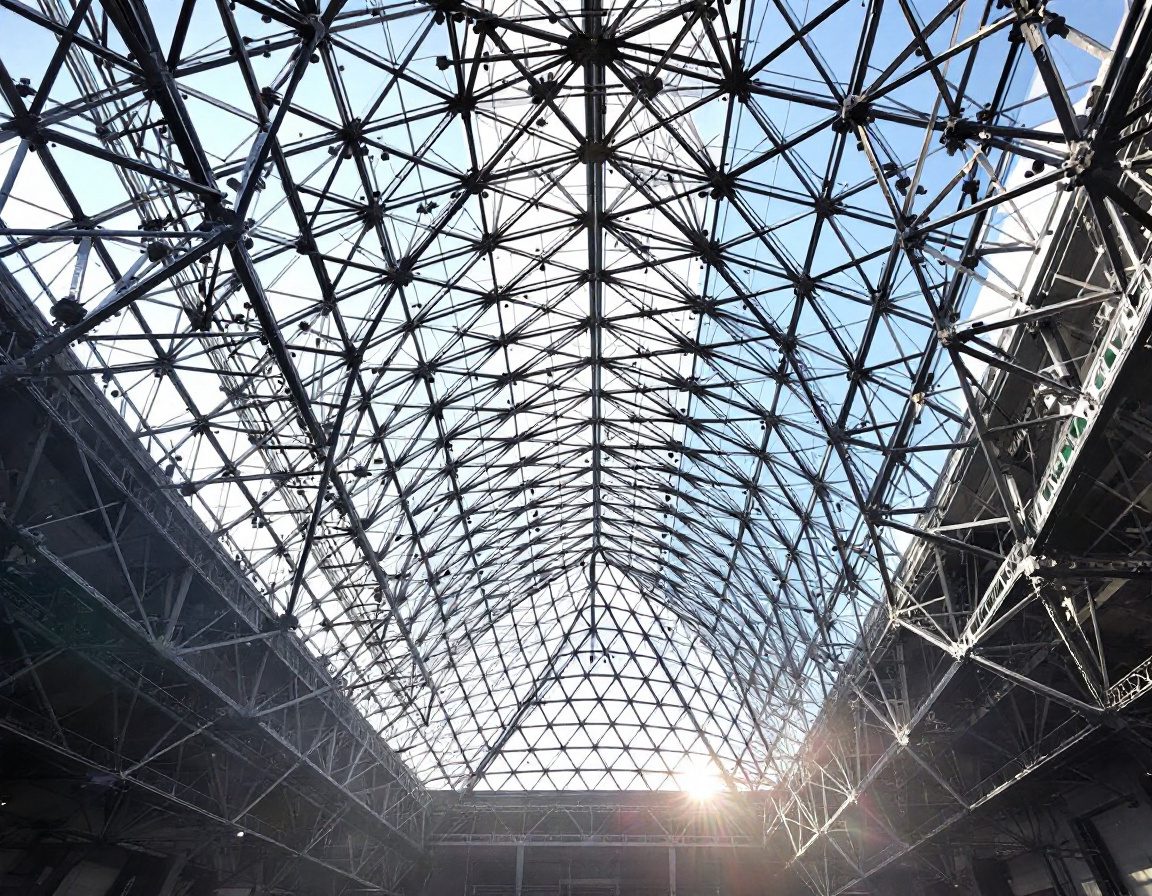
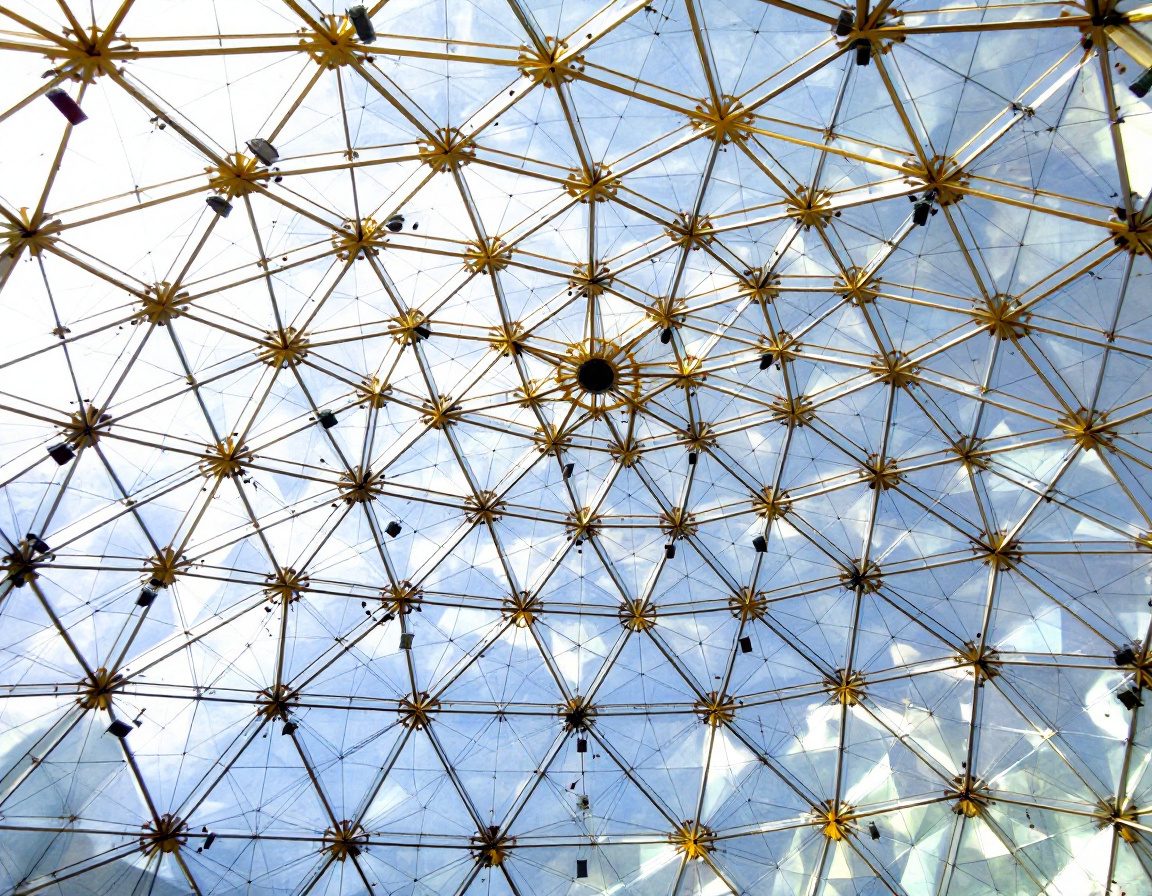
Buckminster Fuller's geodesic dome subdivides an icosahedron's triangles to approximate a sphere — enormous strength for very little material.[3]
Self-assessment
1. How many Platonic solids are there?
2. Euler's formula for a convex polyhedron is:
3. Buckminster Fuller's geodesic dome is based on subdividing which solid?
Recap
References & further reading
- [1]Platonic solids — the five regular polyhedra and their properties. Wikipedia / Cuemath. https://en.wikipedia.org/wiki/Platonic_solid
- [2]Euler's polyhedron formula V − E + F = 2. plus.maths.org. https://plus.maths.org/content/eulers-polyhedron-formula
- [3]Geodesic domes, triangulation and tensegrity (Buckminster Fuller). HowStuffWorks; Wikipedia. https://science.howstuffworks.com/engineering/structural/geodesic-dome.htm
- [4]Parametric/generative design and meshes (Grasshopper, Dynamo). Novatr. https://www.novatr.com/blog/why-architectural-designers-should-master-grasshopper-dynamo
Further reading
- Wenninger, M.J. (1971). Polyhedron Models. Cambridge: Cambridge University Press.
- Williams, R. (1979). The Geometrical Foundation of Natural Structure. New York: Dover.
- Doczi, G. (1981). The Power of Limits. Boston: Shambhala.
Sources gathered and fact-checked June 2026. Published values vary by source, sample and method — treat as indicative and confirm against the cited standard before structural use.
The author
Amogh N P
Architect, interior designer, and creative polymath. Studio Matrx began in his notebooks — his vision of design made honest, useful, and open to everyone. Its Academy is written and taught in his memory, and free, forever.
More about Amogh →