
Area & Volume Calculations
Measuring space — from carpet area to concrete and water tanks.
This is the maths you will use every single day in practice. How big is the floor? How much will the flat “sell” as? How much concrete, how many litres? It all comes down to area and volume — so let's make them second nature, with a live calculator.
Learning objectives
By the end of this lesson, you will be able to — mapped to the course outcomes for Building Materials & Construction I:
Calculate the area of plan shapes and approximate irregular plots.
Distinguish carpet, built-up and super built-up area, and compute FAR/FSI.
Calculate volumes and surface areas of the common solids.
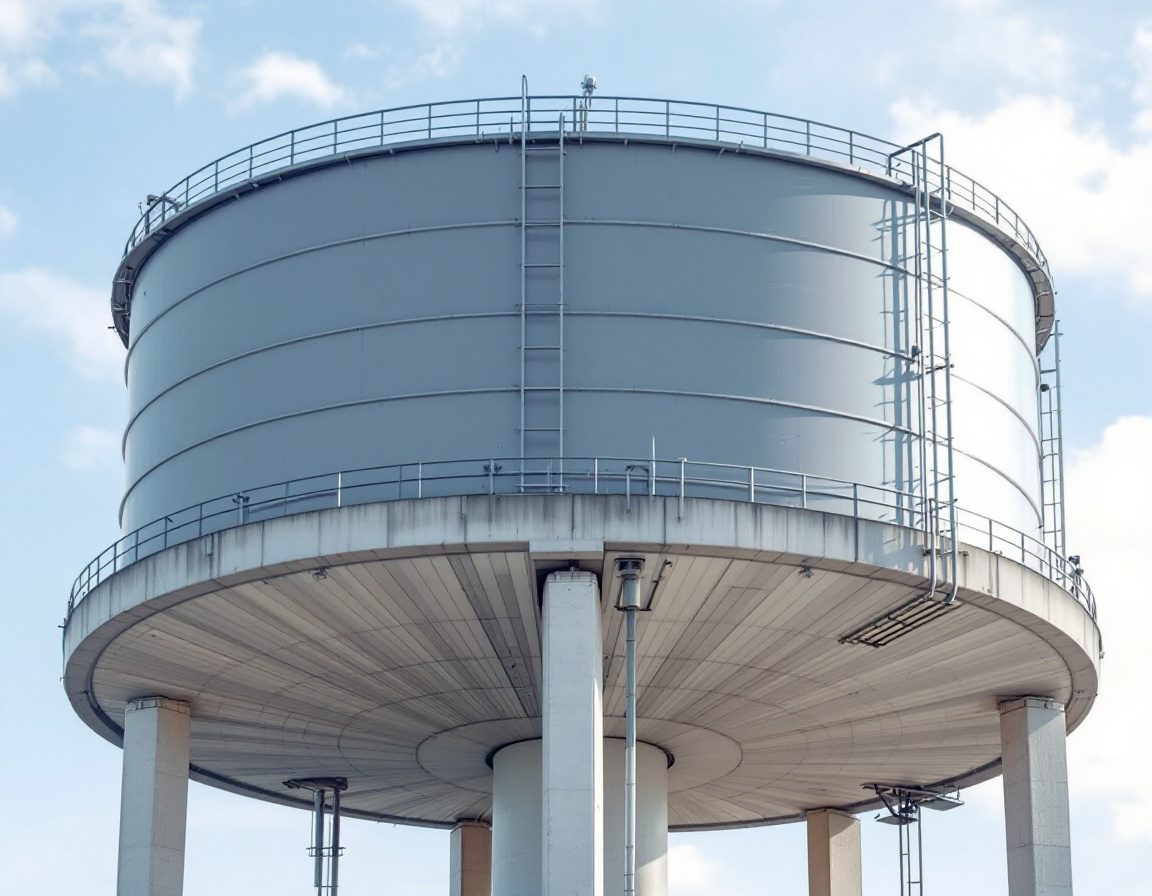
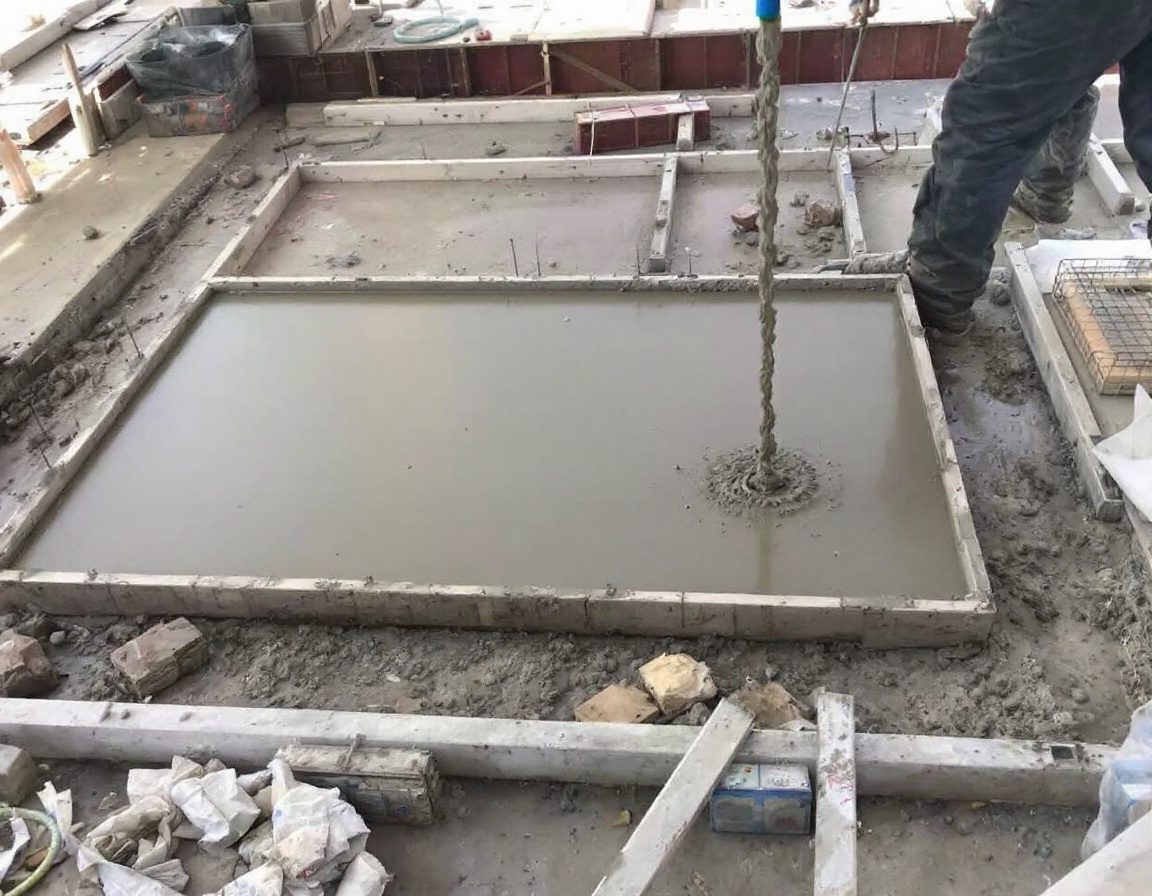
Use these in quantity take-off — concrete, water tanks, finishes.
Area — and what counts as 'area'
First the shapes; then the surprisingly tricky question of which area — carpet, built-up or super built-up — and the FAR that limits how much you can build.[3]
Volume & surface area
Add a third dimension and you can size concrete, water tanks and finishes. Enter a room's dimensions below to get its floor area, volume, wall area and capacity at once.
Room area, volume & surface area
Floor = l×b · Volume = l×b×h · Wall = 2(l+b)×h · Total surface = 66.0 m² · 1 m³ = 1000 L.
Where the maths is used
Select an application.
Carpet · built-up · super built-up
Carpet area is the net usable floor area within the inner walls (RERA, 2016); built-up adds walls and balconies; super built-up adds a share of common areas.[3]
Self-assessment
1. The area of a circle of radius r is:
2. One cubic metre of water equals how many litres?
3. Floor Area Ratio (FAR) is:
Recap
References & further reading
- [1]Areas of plane shapes and Heron's formula. Wikipedia. https://en.wikipedia.org/wiki/Heron%27s_formula
- [3]RERA (2016) Section 2 — definition of carpet area; built-up vs super built-up. https://ibclaw.in/section-2-of-real-estate-regulation-and-development-act-2016-rera-definitions/
- [4]Floor area ratio (FAR / FSI). Wikipedia. https://en.wikipedia.org/wiki/Floor_area_ratio
- [5]Dutta, B.N. Estimating and Costing in Civil Engineering — mensuration & quantity take-off. https://books.google.com/books/about/Estimating_and_Costing_in_Civil_Engineer.html?id=QHHWAQAACAAJ
- [6]Measurement of area & volume — trapezoidal and Simpson's rules (surveying). https://esenotes.com/measurement-of-area-and-volume-mid-ordinate-rule-average-offset-rule-trapezoidal-rule-simpsons-rule/
Further reading
- Dutta, B.N. & Dutta, S. Estimating and Costing in Civil Engineering: Theory and Practice. New Delhi: CBS Publishers.
- A standard mensuration / quantity-surveying reference.
Sources gathered and fact-checked June 2026. Published values vary by source, sample and method — treat as indicative and confirm against the cited standard before structural use.
The author
Amogh N P
Architect, interior designer, and creative polymath. Studio Matrx began in his notebooks — his vision of design made honest, useful, and open to everyone. Its Academy is written and taught in his memory, and free, forever.
More about Amogh →