Amogh N P
 In loving memory of Amogh N P — Architect · Designer · Visionary 
Paraline Drawings: Axonometric and Isometric Views — Plan truth with volumetric presence
Lesson 10Module 2 · The language of design drawing

Paraline Drawings: Axonometric and Isometric Views

Plan truth with volumetric presence

3 hours studio

Learning objectives

By the end of this lesson, students will be able to:

  • Construct isometric (30°/30°) and plan-oblique axonometric (45°/45° and 30°/60°) drawings from plans and elevations.
  • Choose the paraline type and viewing angle that best exposes the design's key spaces.
  • Produce expanded views — exploded and cutaway paraline drawings — to reveal assembly and interior.
  • Keep verticals truly vertical and parallel lines truly parallel throughout.
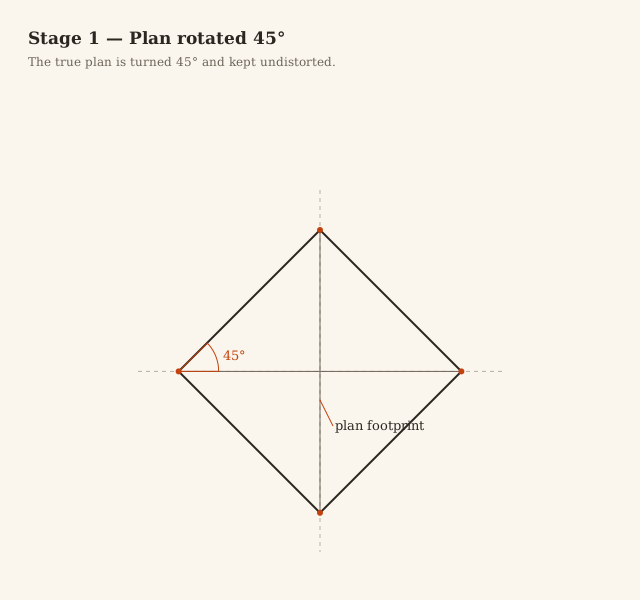
Constructing a plan-oblique axonometric 1 Rotate the true plan 45° true plan, kept undistorted 45° 2 Extrude verticals (true) verticals stay vertical 3 Cut door & window openings faces inset; openings on the planes 4 Add roof, sill & line weights finished plan-oblique axonometric
DiagramPlan rotated 45° → verticals extruded → openings cut → details added.
One building, three paraline projections Isometric — both axes 30° 30° 30° all three edge sets equally foreshortened; plan distorted, vertical lines vertical. Plan oblique — 45° / 45° 45° 45° true square plan kept undistorted; symmetric, equal emphasis on each side. Plan oblique — 30° / 60° 60° 30° true plan again; the steeper 60° side reads as the dominant face.
DiagramThe same building in isometric, 45° plan oblique, and 30°/60° plan oblique.
Exploded axonometric — a three-part pavilion parts slide apart along the dashed assembly axes (30° isometric) 3. Base / plinth 2. Walls & openings 1. Roof (hipped) assembly axis Each component drawn in the same paraline frame so it drops straight down its dashed axis into place.
DiagramAn exploded axonometric of a three-part pavilion with assembly dashes.
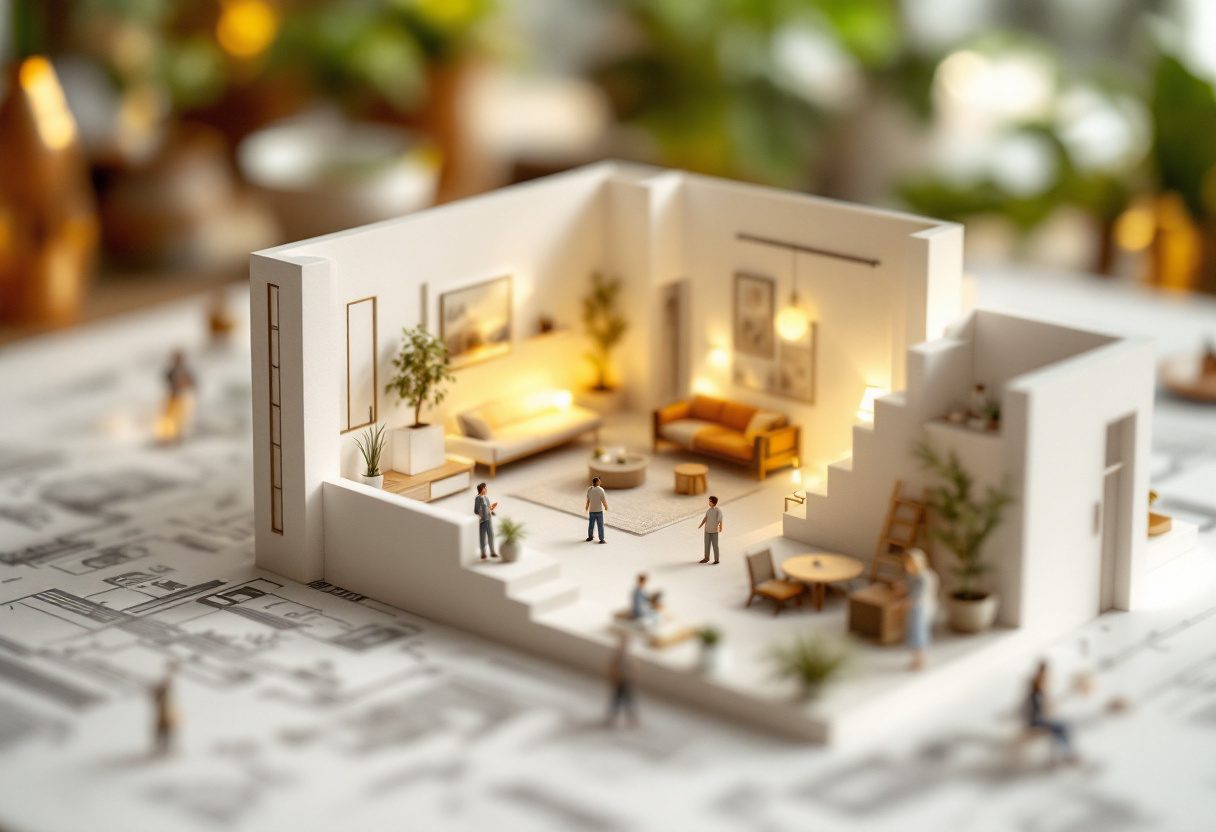
A cutaway axon of a furnished room with people for scale.
PhotoA cutaway axon of a furnished room with people for scale.
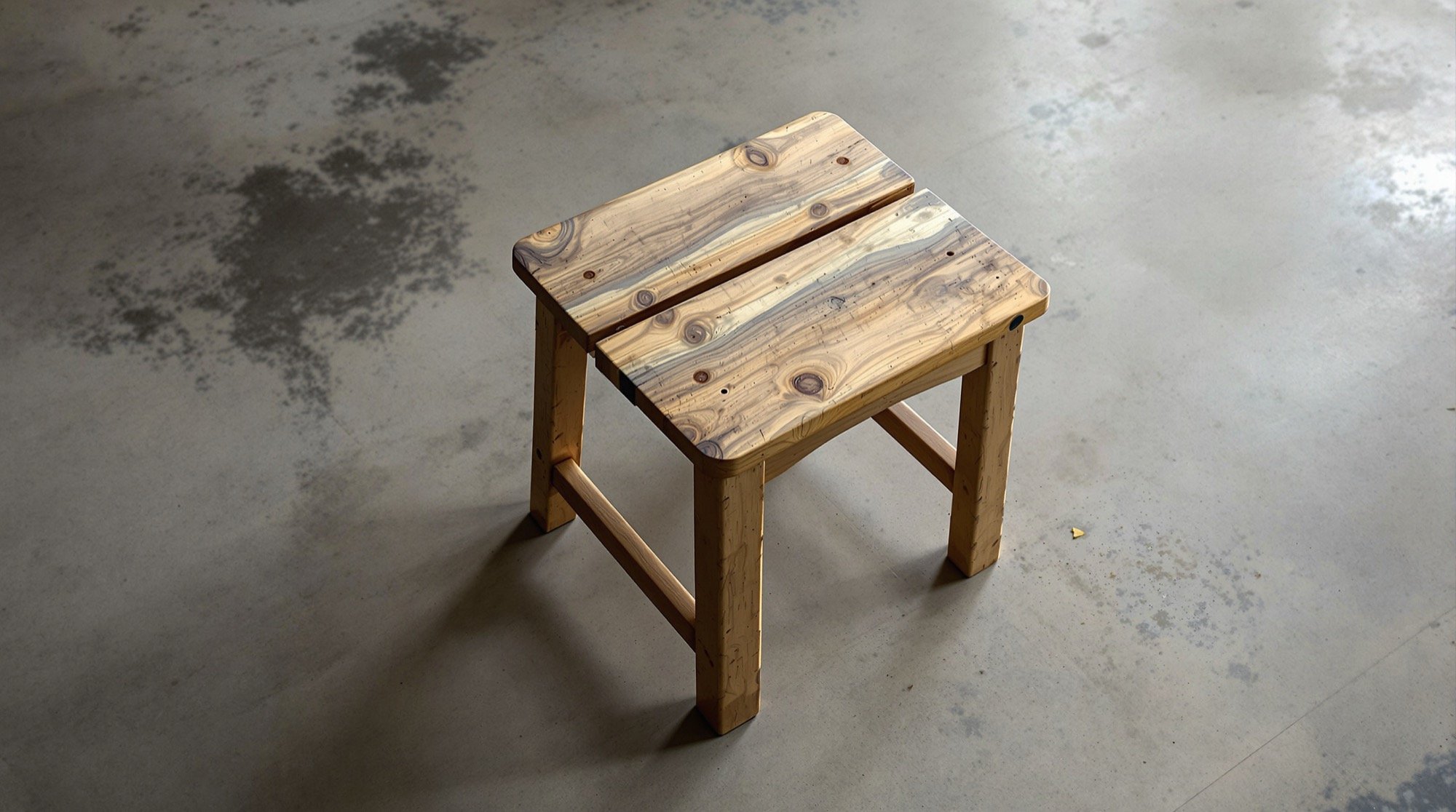
A stool from a high three-quarter angle — a paraline subject.
ReferenceA stool from a high three-quarter angle — a paraline subject.
Interactive · step through it

Construct the axonometric, stage by stage

Rotate the plan 45°, extrude truly-vertical walls, then cut openings and add detail.

1 / 4
Plan rotated 45°

Stage 1Plan rotated 45°

Key concepts

  • Paraline drawings combine plan truth with volumetric presence: measurements remain scalable along the axes.
  • Isometric vs. plan oblique: equal foreshortening vs. a true plan extruded upward — and the distortions each accepts.
  • Exploded views explain assembly; cutaways and transparent views explain interior space.
  • Paraline as the designer's 'thinking 3D': fast, constructible, and honest.

In-class activities & exercises

Axon drills (40 min)Extruding the Lesson 8 plan upward as a 45° plan oblique with walls at height.
Isometric construction (50 min)The stepped form from Lesson 7 rebuilt as a true isometric with hidden edges drawn through.
Exploded study (50 min)A simple joinery detail or a three-component pavilion separated along its assembly axes with alignment dashes.
Cutaway exercise (40 min)Removing two walls of the room axon to expose the interior, furniture included.

Worked example sketches

How the technique looks in practice — loose, hand-drawn examples. Scroll to watch each one draw in; click to zoom.

Exploded axonometric — small stool parts slide along vertical axes
DiagramAn exploded axonometric of a small stool.
Cutaway axonometric — furnished room, one wall removed near wall removed to reveal interior
DiagramA cutaway axon of a furnished room, one wall removed.
Small house in isometric — true vertical sides all verticals plumb & parallel
DiagramA small house in isometric, verticals kept true.
Exploded axonometric — joinery corner parts slide along dashed axes
DiagramAn exploded axonometric of a joinery corner detail.

Homework / studio assignment

A plan-oblique cutaway axonometric of your home room at 1:50, showing interior furniture and one wall removed.

Assessment

Rubric on axis discipline (parallel verticals), constructional accuracy, and clarity of the cutaway/exploded logic.