
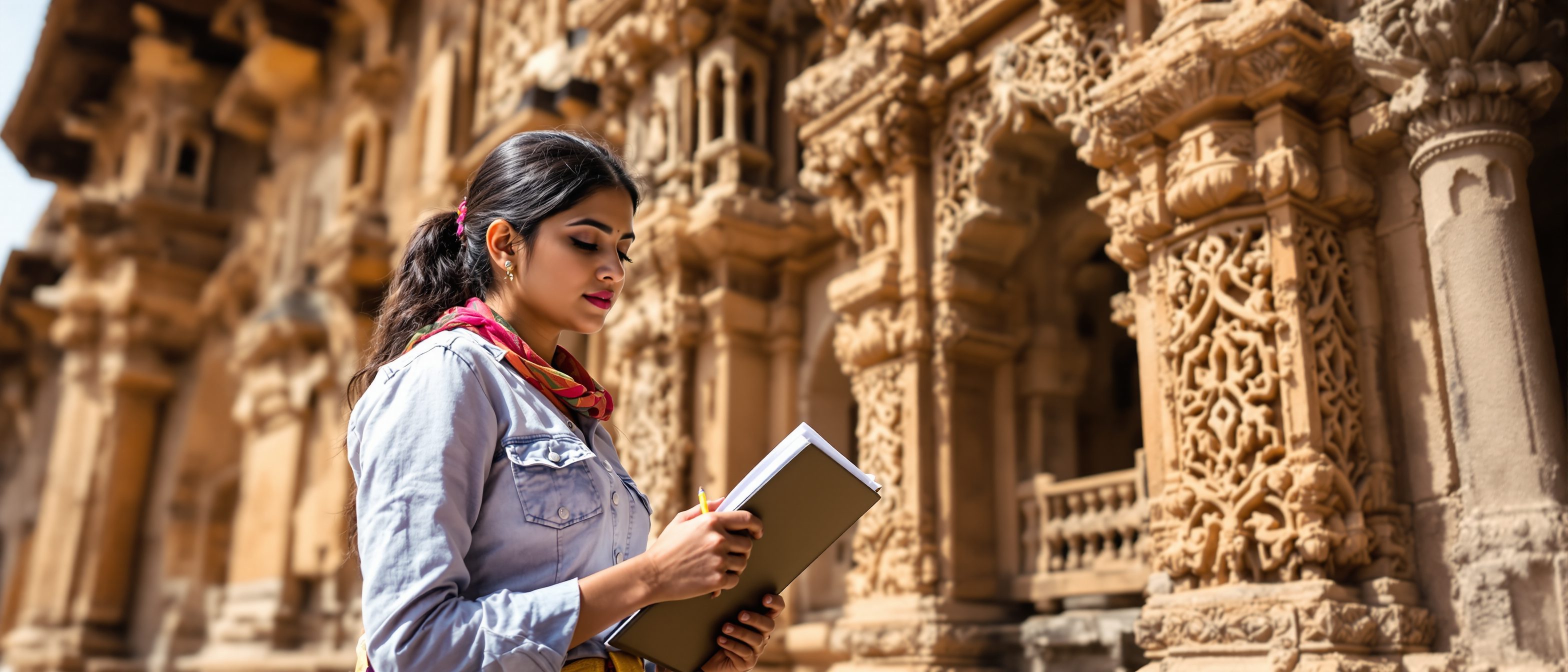
Heritage, Conservation & Vernacular
Caring for what exists — and learning from building traditions.
India has more building heritage than almost anywhere on earth — and two of architecture's most meaningful careers grow from it: conserving what exists, and learningfrom the traditions that built it. Both look backwards to design better forwards.
Learning objectives
By the end of this lesson, you will be able to — mapped to the course outcomes for Building Materials & Construction I:
Explain what a conservation architect does.
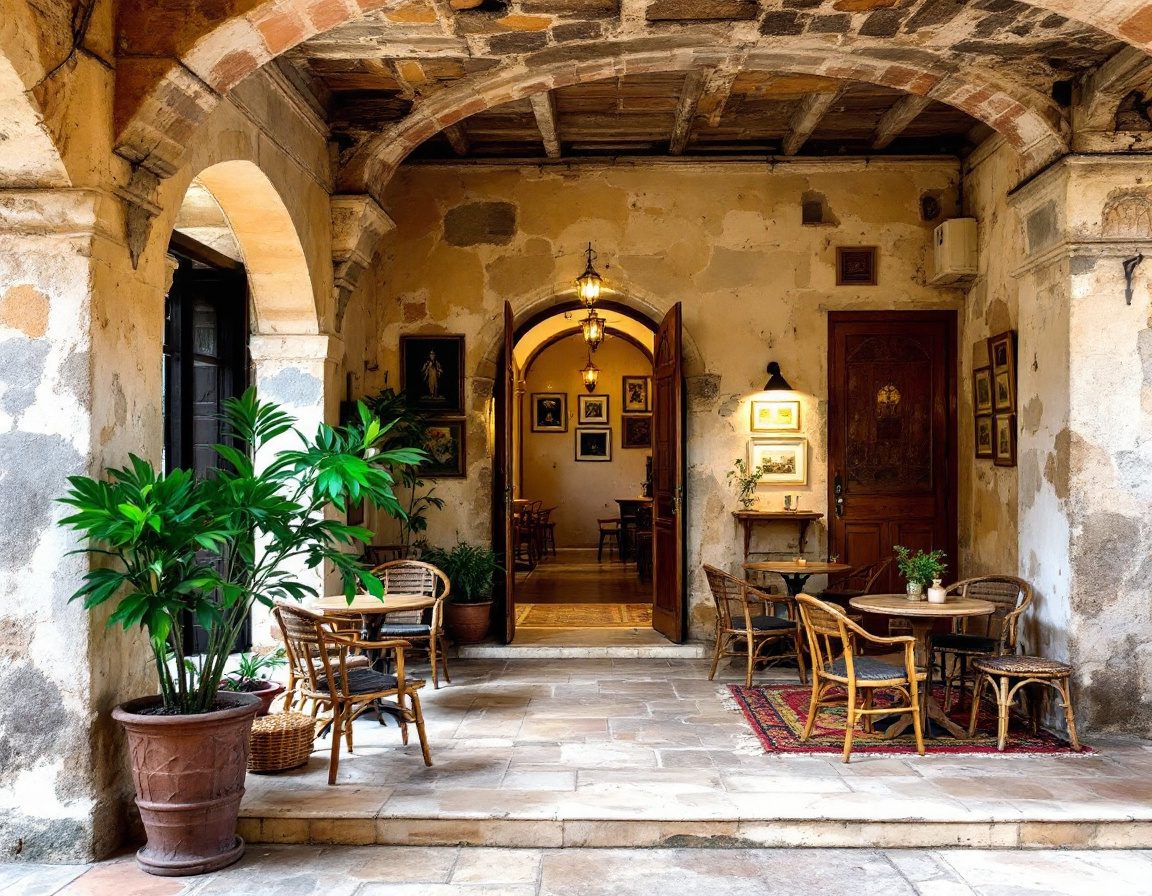
Distinguish preservation, conservation, restoration and adaptive reuse.
Describe India's heritage ecosystem — ASI, INTACH, UNESCO.
Explain vernacular architecture and why it matters today.
Conservation as a career
From keeping every stone to giving an old building a whole new life. Select a topic.
The conservation architect
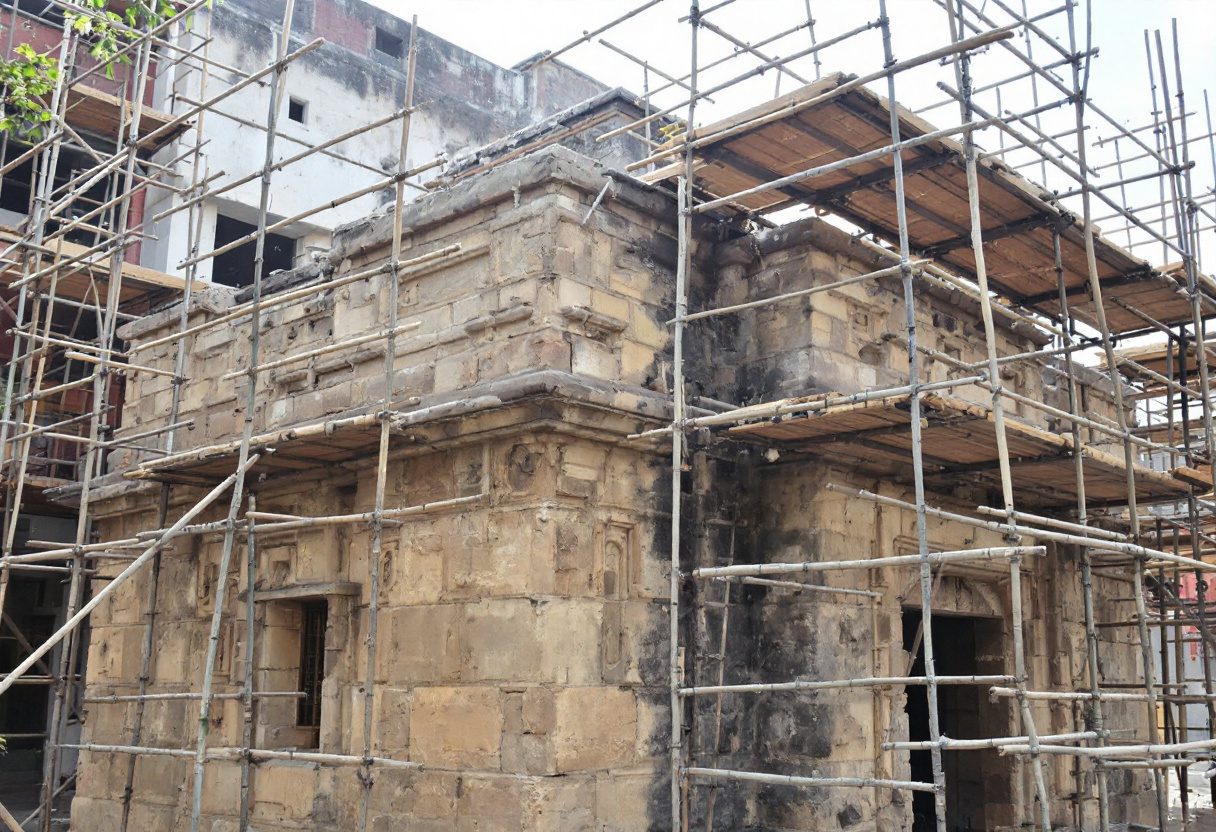
A conservation architect documents, assesses, repairs, retrofits and reuses historic buildings. The standard professional text is Bernard Feilden's Conservation of Historic Buildings. It is a specialist M.Arch route (e.g. SPA Delhi) and a meaningful career.[1]
Architecture without architects
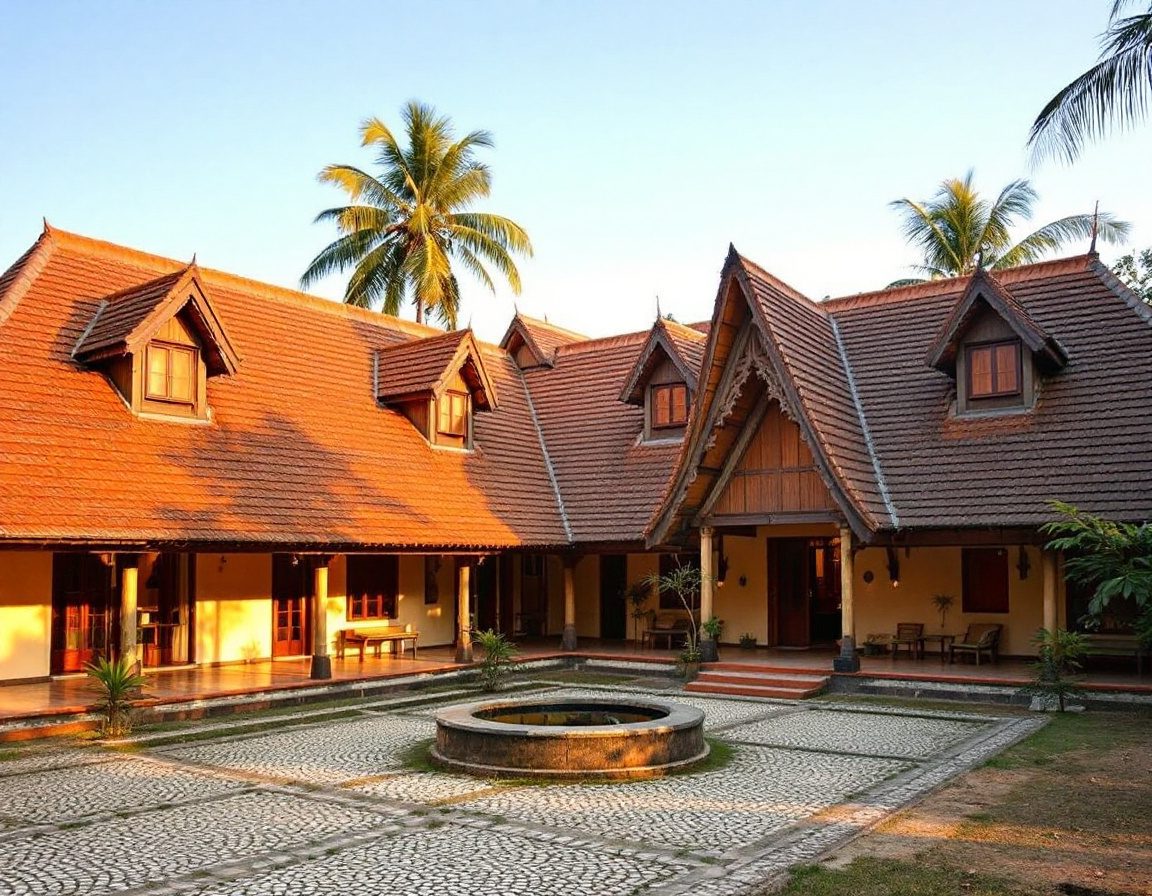
The cleverest climate design in India was built long before air-conditioning — by communities, from local material and hard-won wisdom. Vernacular study is a live source for sustainable practice today.[5, 6]
Self-assessment
1. Which involves the MOST intervention in a historic building?
2. INTACH (1984) mainly documents:
3. Vernacular architecture is best described as building:
Recap
References & further reading
- [1]Feilden, B.M. Conservation of Historic Buildings — the standard professional text. Routledge. https://www.routledge.com/Conservation-of-Historic-Buildings/Feilden/p/book/9780750658638
- [2]Preservation, conservation, restoration and adaptive reuse — definitions. Wikipedia / Studio Steinbomer. https://en.wikipedia.org/wiki/Conservation_and_restoration_of_immovable_cultural_property
- [3]Archaeological Survey of India (1861) and INTACH (1984) — heritage ecosystem. https://en.wikipedia.org/wiki/Indian_National_Trust_for_Art_and_Cultural_Heritage
- [4]List of World Heritage Sites in India — 44 as of July 2025 (re-verify yearly). Wikipedia / PIB. https://en.wikipedia.org/wiki/List_of_World_Heritage_Sites_in_India
- [5]Rudofsky, B. Architecture Without Architects (MoMA, 1964); Paul Oliver, Encyclopedia of Vernacular Architecture. https://en.wikipedia.org/wiki/Architecture_Without_Architects
- [6]Climate-responsive Indian vernacular traditions (nalukettu, haveli, kath-kuni, bhunga); allied design fields. https://homegrown.co.in/homegrown-explore/a-homegrown-guide-to-five-climate-responsive-indian-architectural-traditions
Further reading
- Feilden, B.M. (2003). Conservation of Historic Buildings (3rd ed.). Oxford: Architectural Press.
- Rudofsky, B. (1964). Architecture Without Architects. New York: MoMA / Doubleday.
- Oliver, P. (ed.) (1997). Encyclopedia of Vernacular Architecture of the World. Cambridge: CUP.
Sources gathered and fact-checked June 2026. Published values vary by source, sample and method — treat as indicative and confirm against the cited standard before structural use.
The author
Amogh N P
Architect, interior designer, and creative polymath. Studio Matrx began in his notebooks — his vision of design made honest, useful, and open to everyone. Its Academy is written and taught in his memory, and free, forever.
More about Amogh →