
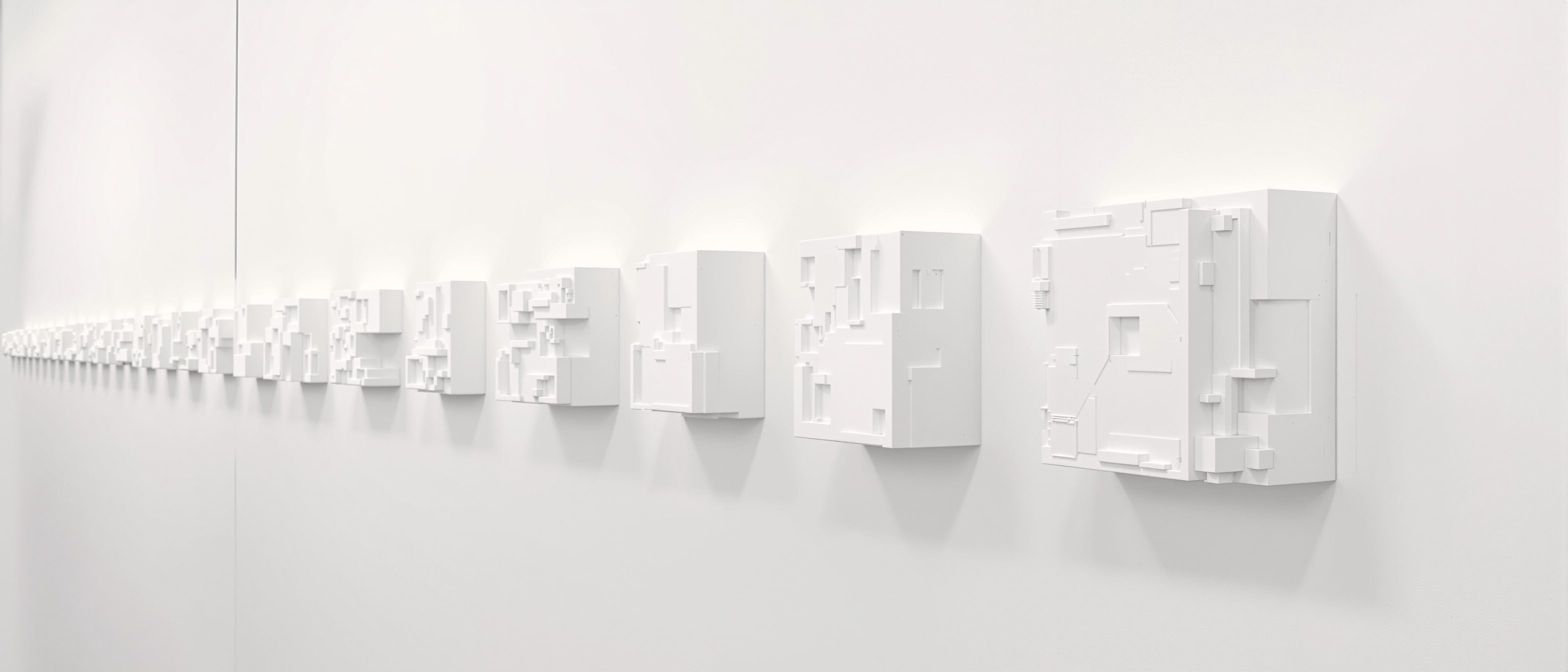
The Design Process
An iterative loop — not a straight line.
Beginners imagine design is a straight line: read the brief, have an idea, draw it. It isn't. Design is a loop — you analyse, make something, see what's wrong, and go round again, often reframing the problem itself. Learning to be comfortable in that messy middle is the real skill.
Learning objectives
By the end of this lesson, you will be able to — mapped to the course outcomes for Building Materials & Construction I:
Explain why the design process is iterative, not linear.
Describe 'wicked' design problems — where defining the problem is part of designing.
Use divergent and convergent thinking (the Double Diamond).
Place studio design within the professional RIBA Plan of Work.
A loop, not a line
The classic stages — analyse, synthesise, evaluate — repeat. And design problems are “wicked” (Rittel & Webber): ill-defined, with no single right answer, so how you frame the problem shapes the solution. Framing is part of designing.[1, 2]
Models of the process
A few models help you navigate. Select one.
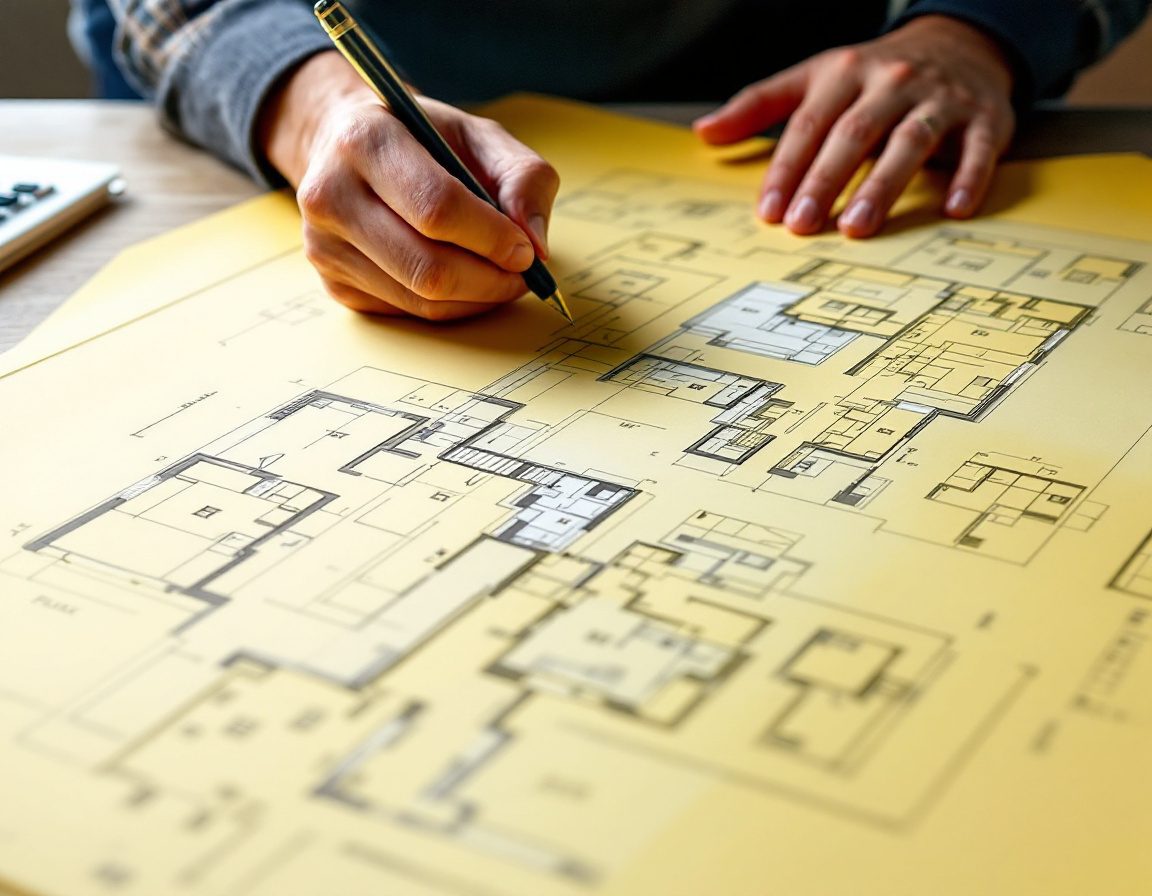
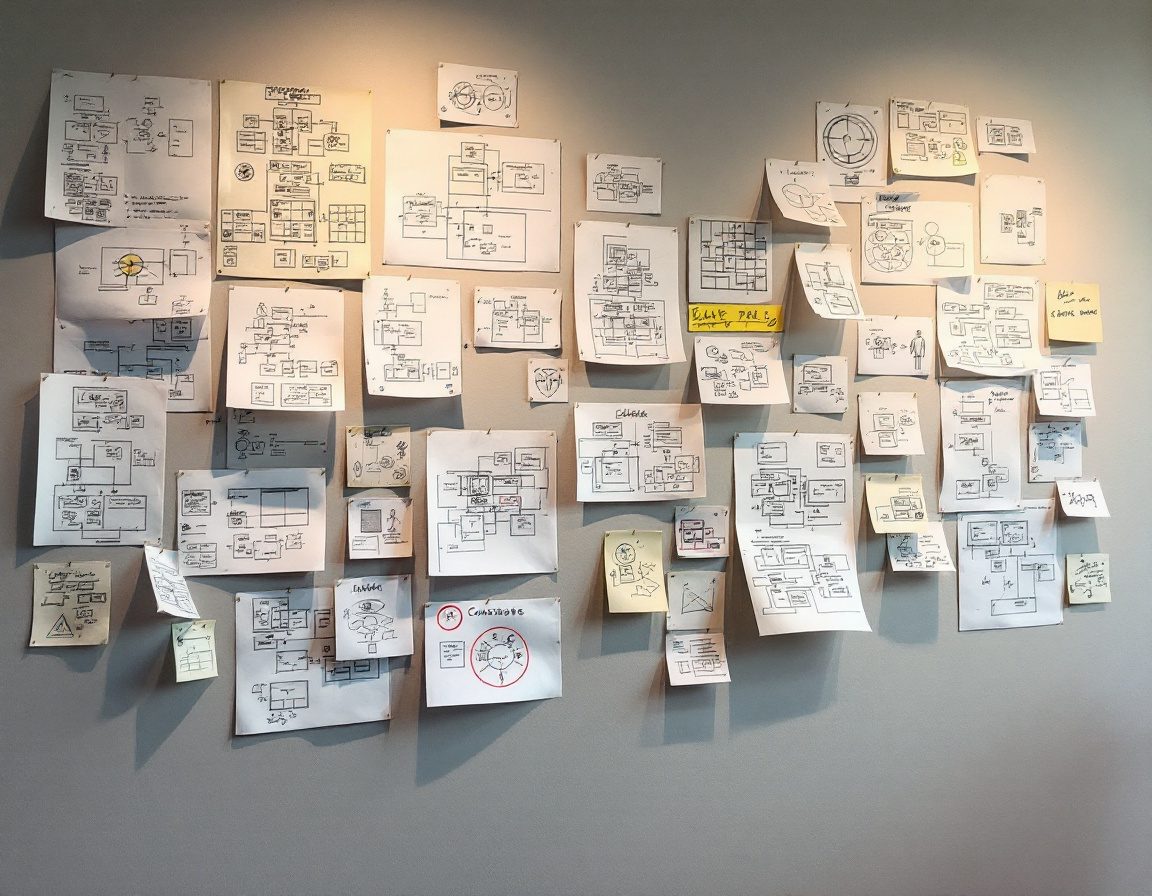
An iterative loop
Brief → analyse → synthesise → evaluate → develop → communicate — but you move back and forth, looping and reframing as you learn. Design by analysis, synthesis and evaluation, repeated.[1]
Self-assessment
1. The design process is best described as:
2. Who described design problems as 'wicked'?
3. The four phases of the Double Diamond are:
Recap
References & further reading
- [1]The iterative design process (analysis–synthesis–evaluation, cyclical). Smartsheet; design-process literature. https://www.smartsheet.com/iterative-process-guide
- [2]Rittel, H. & Webber, M. (1973). Dilemmas in a General Theory of Planning ('wicked problems'). Policy Sciences 4. https://urbanpolicy.net/wp-content/uploads/2015/06/Rittel-Webber_1973_DilemmasInAGeneralTheoryOfPlanning.pdf
- [3]The Double Diamond (Discover, Define, Develop, Deliver). UK Design Council. https://www.designcouncil.org.uk/our-resources/the-double-diamond/
- [4]RIBA Plan of Work 2020 — the eight stages. Royal Institute of British Architects. https://www.riba.org/media/sszn5kkt/2020ribaplanofworktemplatepdf.pdf
Further reading
- Lawson, B. (2005). How Designers Think: The Design Process Demystified (4th ed.). Oxford: Architectural Press.
- Cross, N. (2011). Design Thinking: Understanding How Designers Think and Work. Oxford: Berg.
- Cross, N. (2006). Designerly Ways of Knowing. London: Springer.
Sources gathered and fact-checked June 2026. Published values vary by source, sample and method — treat as indicative and confirm against the cited standard before structural use.
The author
Amogh N P
Architect, interior designer, and creative polymath. Studio Matrx began in his notebooks — his vision of design made honest, useful, and open to everyone. Its Academy is written and taught in his memory, and free, forever.
More about Amogh →