
Architecture Limitless: Studio ALL on starting an architecture practice
Eight years in, the founders of Bengaluru's Studio ALL on how a friendship became a firm, why they refuse a signature style, and the seventy per cent of the job architecture school never mentions.
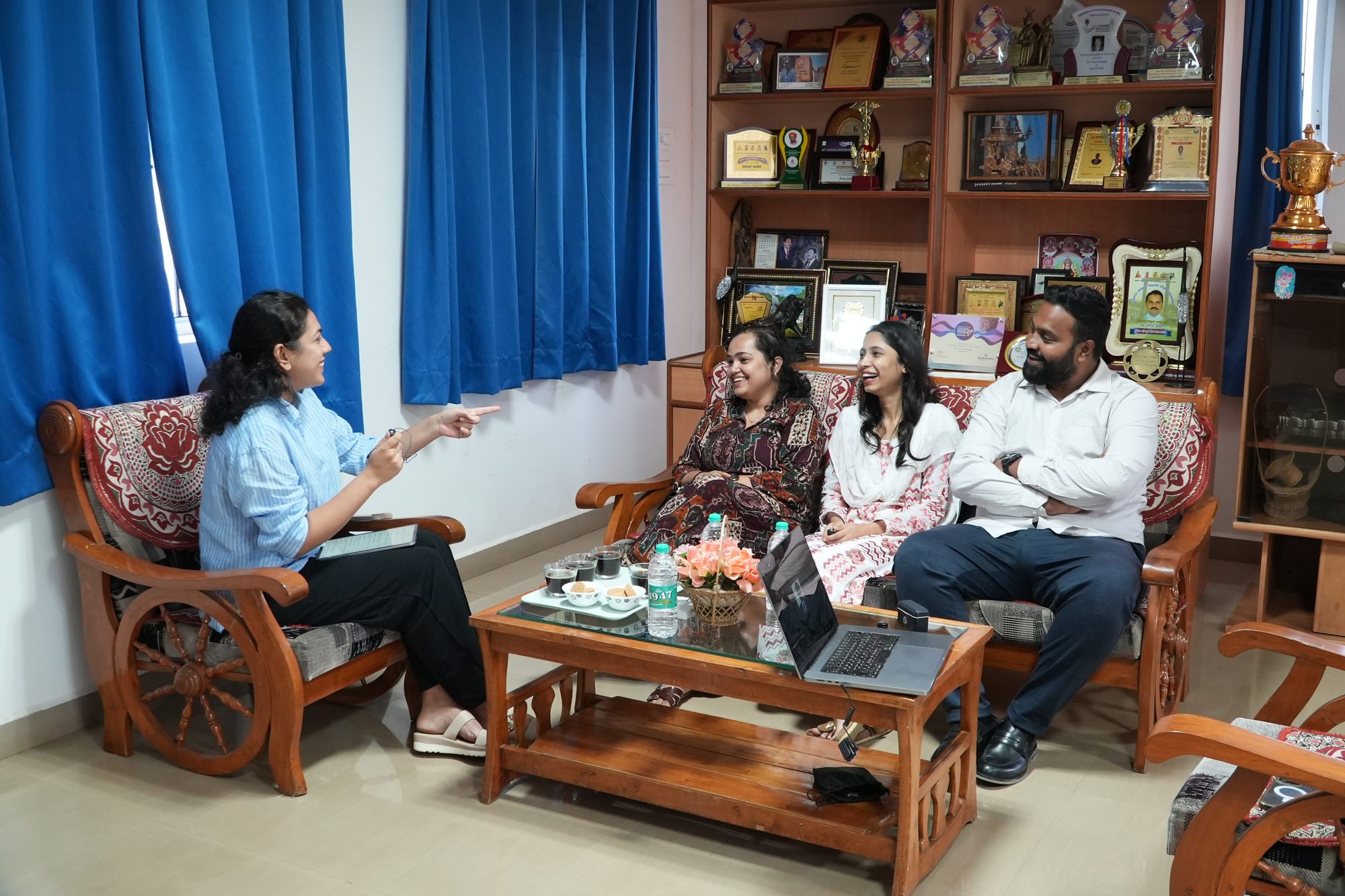
Every architecture practice begins with an idea. Building one that lasts takes more than design talent — it takes trust, adaptability, and a willingness to keep learning long after the degree.
Over eight years, Studio ALL has grown into a multidisciplinary practice working across residences, commercial spaces, hospitality and jewellery retail. What defines the studio is not a style but a way of thinking: every project begins with discovery, every design is rooted in intention, and every constraint is treated as an invitation to think again.
In conversation with Studio Matrx, co-founders and principal architects Shalu Mishra, Roshni Fathima and Bali reflect on the journey from friends to founders, the realities of running a practice, and why today's architects must also be communicators, entrepreneurs and lifelong learners. They answer here as they work — as one voice.
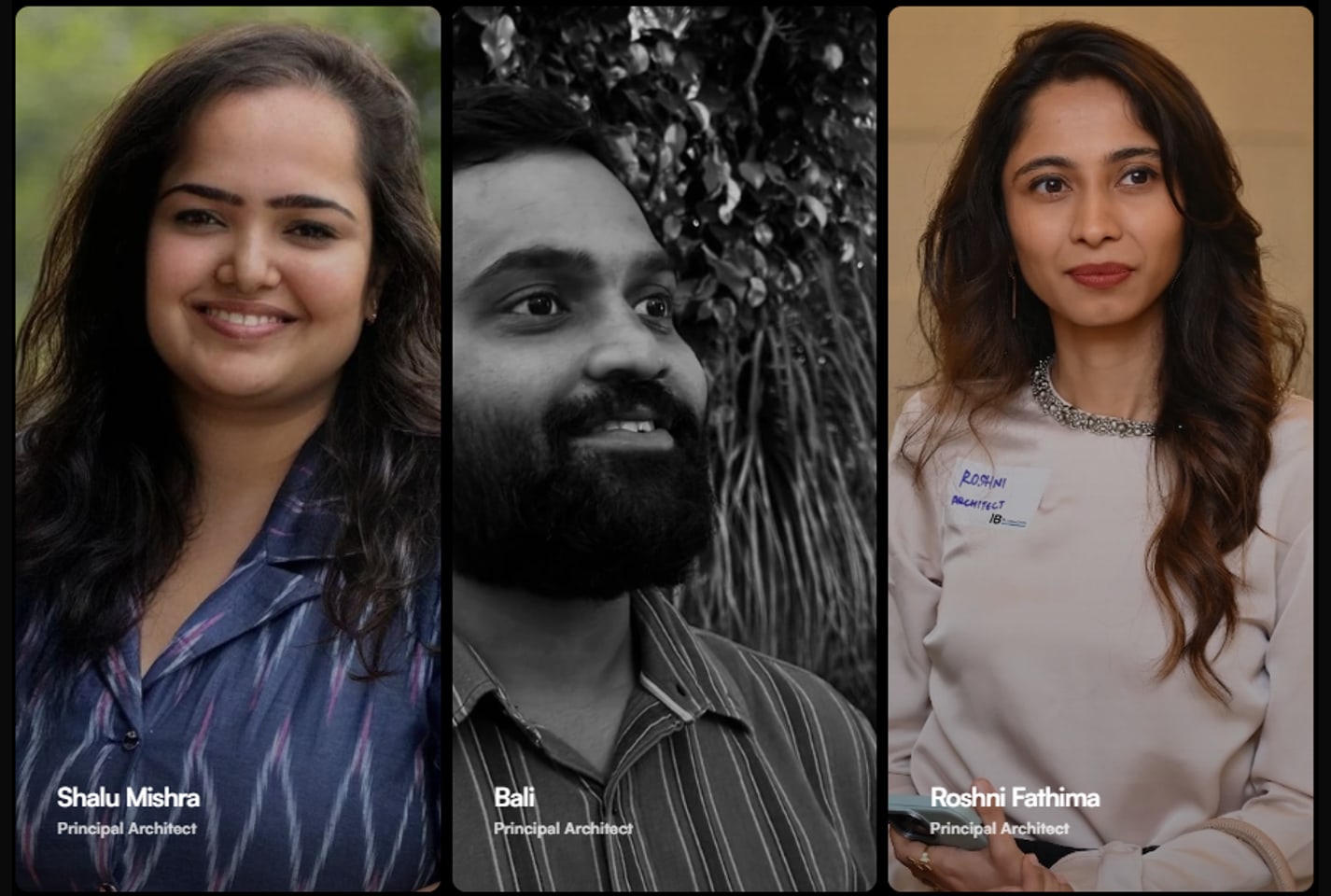
From friends to founders
A partnership that was tested before it was registered.
Business is like a marriage. Before you get into it, discuss your divorce terms.
Looking back, was there a particular moment when your friendship became a professional partnership?
It was not planned; it developed organically. The collaboration began when one of us, still an intern, received an independent project. Managing it alone was difficult, so we leaned on each other's strengths — one of us prioritised design, another execution. One of us was in Delhi at the time, and we still worked together throughout.
After graduation it continued, and we realised our strengths complemented each other: each of us was better at a different phase of a project. But we hadn't decided to start a firm. We agreed to collaborate on a few projects first, simply to see whether we were compatible.
At that stage, a parent gave us advice we still repeat: “Business is like a marriage. Before you get into it, discuss your divorce terms.” It sounds blunt, but the point was that partnerships need trust, transparency and open conversation from the very beginning — including about the uncomfortable things.
So instead of registering a practice immediately, we tested it. As the collaborations added up, our confidence in each other grew, and only once we were certain our working styles and vision aligned did we formally establish Studio ALL. Looking back, the best outcomes are often not the carefully planned ones. We discovered our roles by working, and those roles still shape the studio today.
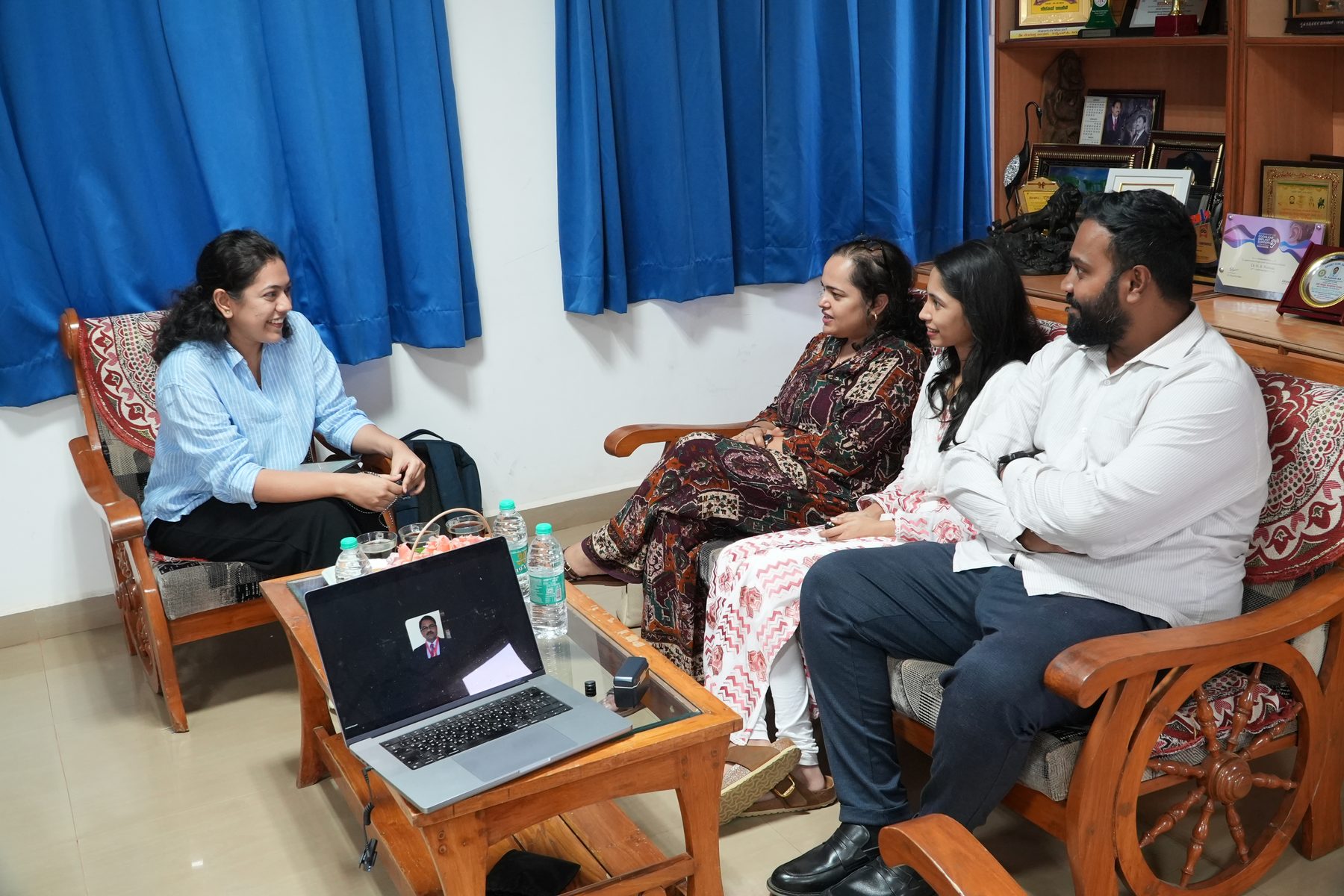
What “Architecture Limitless” means
A name that took five years to find — and a refusal to be typecast.
It isn't about ignoring constraints. It's about refusing to limit ourselves.
Every practice works within constraints — budgets, sites, clients. So what does “Architecture Limitless” actually mean?
The name was a journey. It took nearly five years to find one that reflected who we are. We tried several before, but none represented the philosophy we wanted the practice to embody.
For us, Architecture Limitless isn't about ignoring constraints — constraints are the work. It's about refusing to limit ourselves. Many studios become known for a particular style or typology: some only contemporary, others only traditional, some exclusively residential. We chose not to define ourselves that way. Every project brings a different context and a different set of things to learn, and moving across residential, commercial, hospitality and retail keeps us out of our comfort zone.
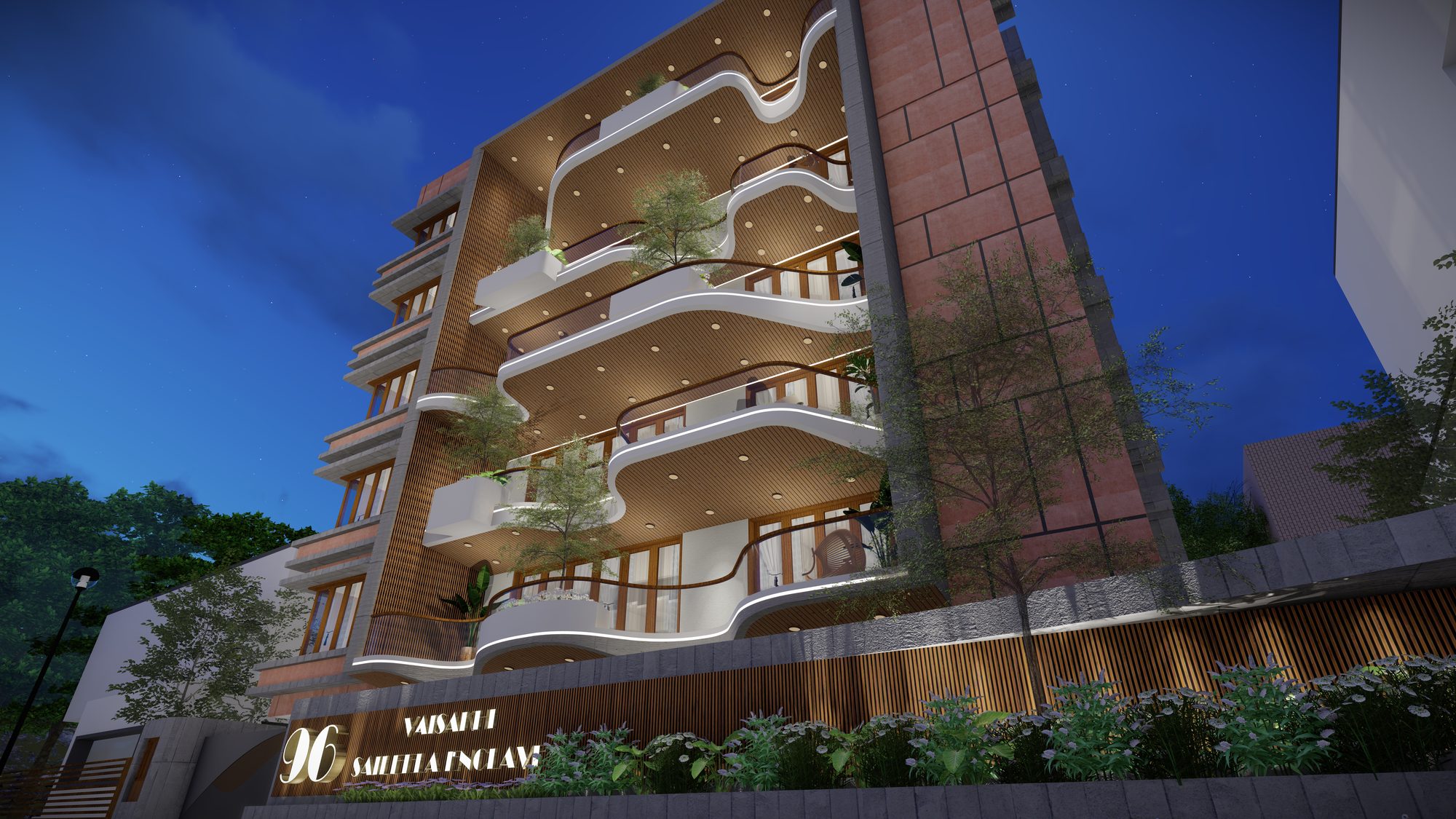
The idea extends beyond the buildings, too. We've always imagined Studio ALL as more than a design practice — a space for research, experimentation, workshops and collaborative learning, where ideas are explored rather than just projects delivered.
The name itself came from a simple realisation. We wanted something short, memorable and meaningful. We knew “Architecture” had to be in it, and one day “Limitless” simply clicked. Ironically it had been in front of us the whole time — it just took five years to recognise it.
Discovery before design
The rule the studio never breaks: no drawing until the listening is done.
We don't begin designing until the Discovery Phase is complete.
Your process doesn't begin with design — it begins with Discover. Why put discovery before everything else?
Because good design is never one-sided. The best outcomes happen when architects and clients work together, not when architects present what they think the design should be.
Early on we realised that jumping straight into design meant we were responding to our own assumptions rather than the client's needs. So we made the Discovery Phase the foundation of every project. During it, we don't design at all. For a residence, we get to know the family, their lifestyle, how they actually use their spaces. For a commercial or retail project, we try to understand the business, its operations and the experience it wants to create.
It runs on conversations, presentations, questionnaires and discussions that make it easy for clients to say what they actually want. It took us nearly four years of learning the hard way to formalise it, and today it's a rule we don't compromise on. It reduces revisions, saves time, and — most importantly — means the final design reflects the client rather than our assumptions.
Your website says “every space begins with intention.” What does that mean in practice?
(Laughs.) The initial intention is simply to fill the blank sheet of paper.
But seriously — this is where Discovery matters. Before we design, we spend real time listening, and then interpreting. Interpretation takes many forms: conversations, sketches, reference images, understanding how someone pictures their space. Each project is different because each client is different; even with similar requirements, the response is always tailored.
So when we begin designing, we're not starting from scratch. We're translating what we learned — routines, schedules, values, preferences, the way people actually occupy a room. Intention starts with understanding, not with drawing. Every line on paper is informed by listening.
No signature style
Three founders, three sensibilities, and a deliberate refusal to look like themselves.
We don't want a building to be recognised as “a Studio ALL project.” We want it recognised as the client.
Your portfolio spans residences, commercial spaces and jewellery retail. Does your process change with each?
Each typology needs a distinct approach. All of them need strong design, but the first questions differ — so we've developed tailored discovery processes and questionnaires for each category. Once we understand the project and its stakeholders, the design finds its own direction. The philosophy stays constant; the process adapts.
Is there a common thread connecting all your work?
Interestingly, we'd say no — at least not in the conventional sense. We don't follow a single design language. Each of us has distinct sensibilities: one prefers minimalism, another gravitates toward maximalism, and each brings a different lens.
We treat that as a strength. Every idea gets questioned, debated and refined. We've become each other's strongest critics — when one of us presents an idea, the others immediately test it from the client's, the contractor's and the execution team's point of view. If it survives that, we know we're onto something. The real common thread isn't a look; it's the argument that happens before the client ever sees the work.
Many architects are known for a signature style. Is good architecture about a recognisable style, or about responding differently every time?
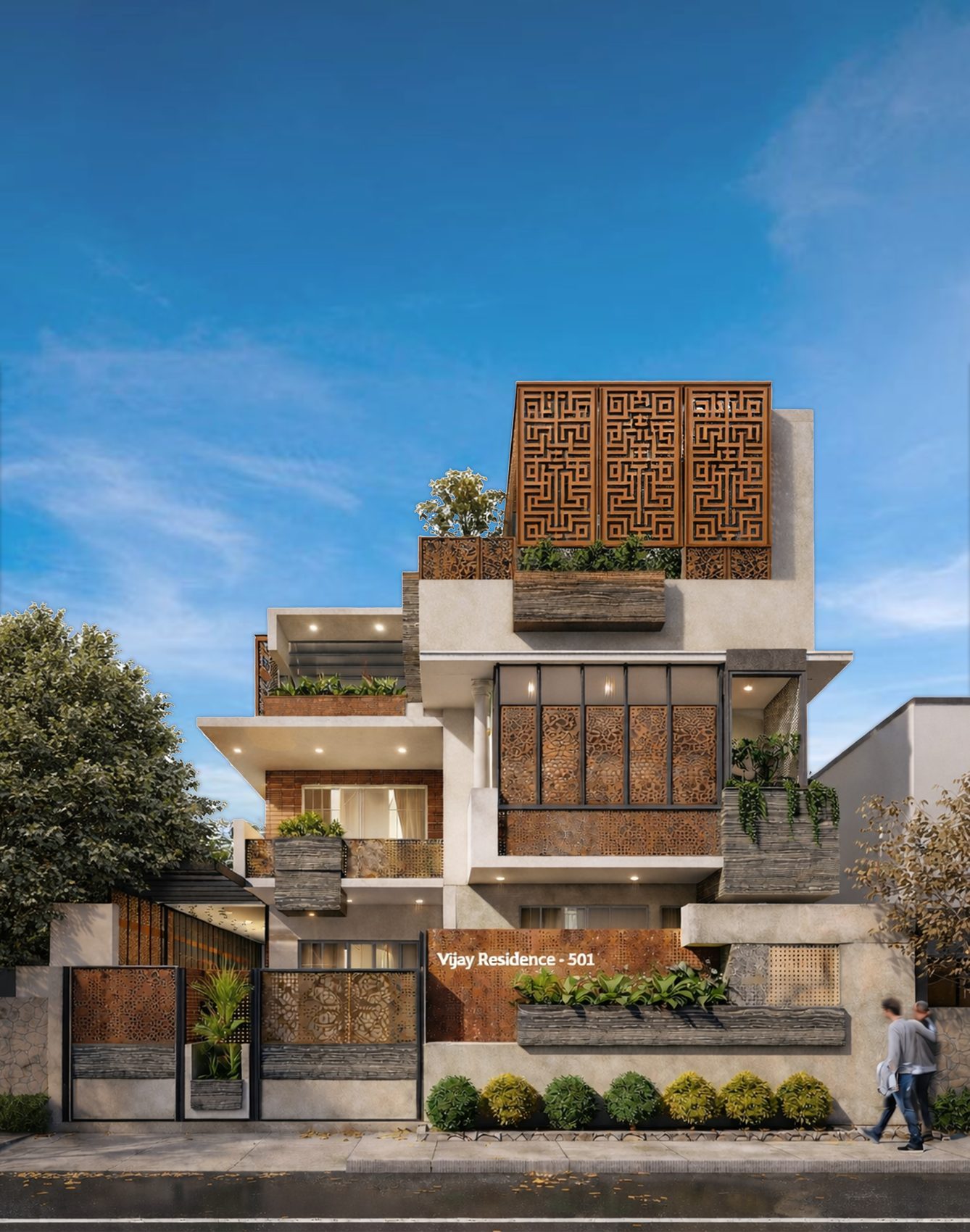
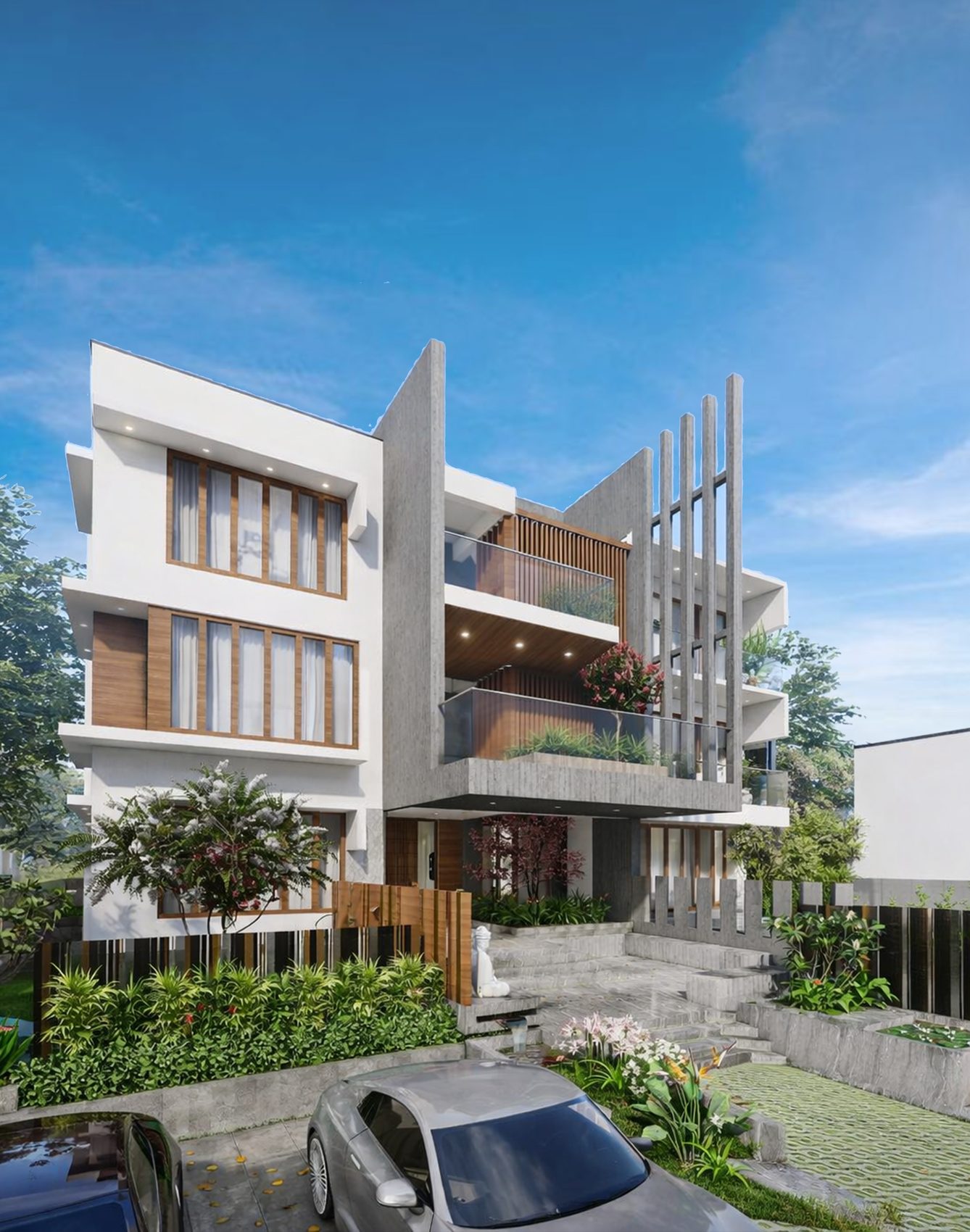
It depends on the practice you want to build — a signature style is a perfectly valid approach. But we decided early that we didn't want every project to look the same. Each building should have its own identity, shaped by its context and its users rather than our personal aesthetic. That matters especially in commercial work, where every brand wants to express its own character.
That said, one thing does stay consistent: how we plan. We favour open, well-connected layouts. The visual language changes from project to project, but someone who moves through our spaces may recognise something in how they're organised. Our signature isn't a style — it's an approach to space.
Translating a feeling
When a client asks for calm, the brief is atmosphere, not material.
He didn't talk about materials or finishes. He talked about wanting to stay longer.
Clients often describe a feeling — “I just want this home to feel calm.” How do you turn that into architecture?
This is Discovery again, because emotions are individual. Calm means colour and vibrancy to one person; simplicity, natural light or a restrained palette to another. So we listen first, and try to understand not only what clients like but what they want to feel.
Most homeowners today want a home that reflects their personality and daily life rather than something flashy. Our most valued compliment is when a client says that the moment they walk in, they feel calm.
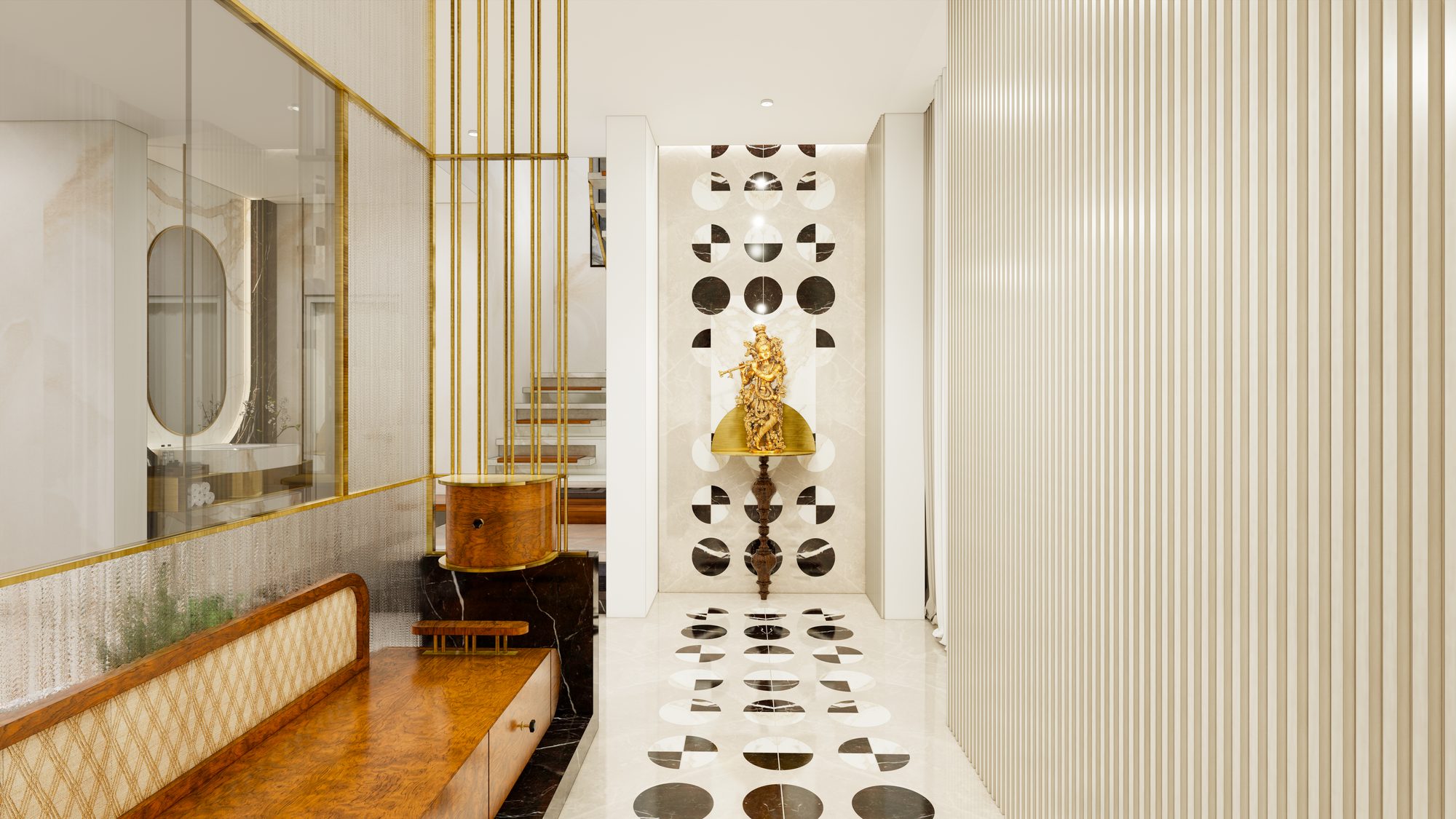
A recent renovation in Nagarbhavi is a good example. The client spent two to three hours a day in the pooja room, and told us: “I want this space to make me feel like staying here even longer.” He didn't talk about materials or finishes — he talked about atmosphere. That single sentence guided the whole approach. We designed for the feeling, not the function.
Garden House is described as a farmhouse designed for everyday living, which inverts the usual weekend-retreat idea. What led to that?
It came from the client's vision and the site. They wanted an open, nature-connected home that brought the family together — somewhere the dog could run freely, where twenty people could sit down to a meal, a house that felt generous rather than compartmentalised. Openness is something we chase in most projects: being able to stand at one end and read the whole space.
The site let us blend architecture with landscape, which we try to do at every scale. We bring landscape in at the planning stage rather than decorating with it afterwards.
There was an emotional layer too. The house sits on family land with existing farmland and a cowshed, where the client's parents farmed for years. As the family grew and moved away, they wanted a home that held those memories while suiting how they live now. And we've noticed a real shift since COVID — people increasingly want in their primary residence the openness and quiet they once reserved for a weekend house.
Walking into an existing building for a renovation, do you see problems or potential?
Both — and that's where three pairs of eyes help. One of us instinctively spots what needs fixing. Another sees how the space could evolve, in materials and new ideas. The third reads colour, light and atmosphere, and how to make it warmer.
Nagarbhavi was exactly that: one of us identified the changes needed, another saw marble as the defining move, another rethought the interiors through colour and light. The roles aren't fixed — sometimes one is the critic, another the optimist, another the client's advocate. Renovation is rewarding precisely because problems and potential are the same thing seen from different sides.
Aureate, and the value of a niche
How a specialisation — and a business degree — changed the shape of the practice.
We were confident designers. We didn't know much about running a business.
A jewellery showroom has to work commercially, express a brand and earn trust. What led to Aureate?
When we started, we treated jewellery showrooms like any other commercial project. After a few, we saw they demanded an entirely different way of thinking — the process, the people, the way things are built, the level of detail. It wasn't another typology. It was a specialisation.
Around the same time we realised something else: we were confident designers, but we didn't know much about running a business. So one of us went to Spain to do an MBA in business management for architecture and design. Visiting firms across Europe and seeing how they worked behind the scenes changed how we saw the profession. The biggest lesson was that every successful firm has a clear identity — you have to know what sets you apart.
We came back and asked ourselves a simple question: what do we want Studio ALL to be known for? The answer was obvious. Jewellery retail was where we had real expertise and where we could do something distinctive. That became Aureate, a branch focused only on jewellery showrooms.
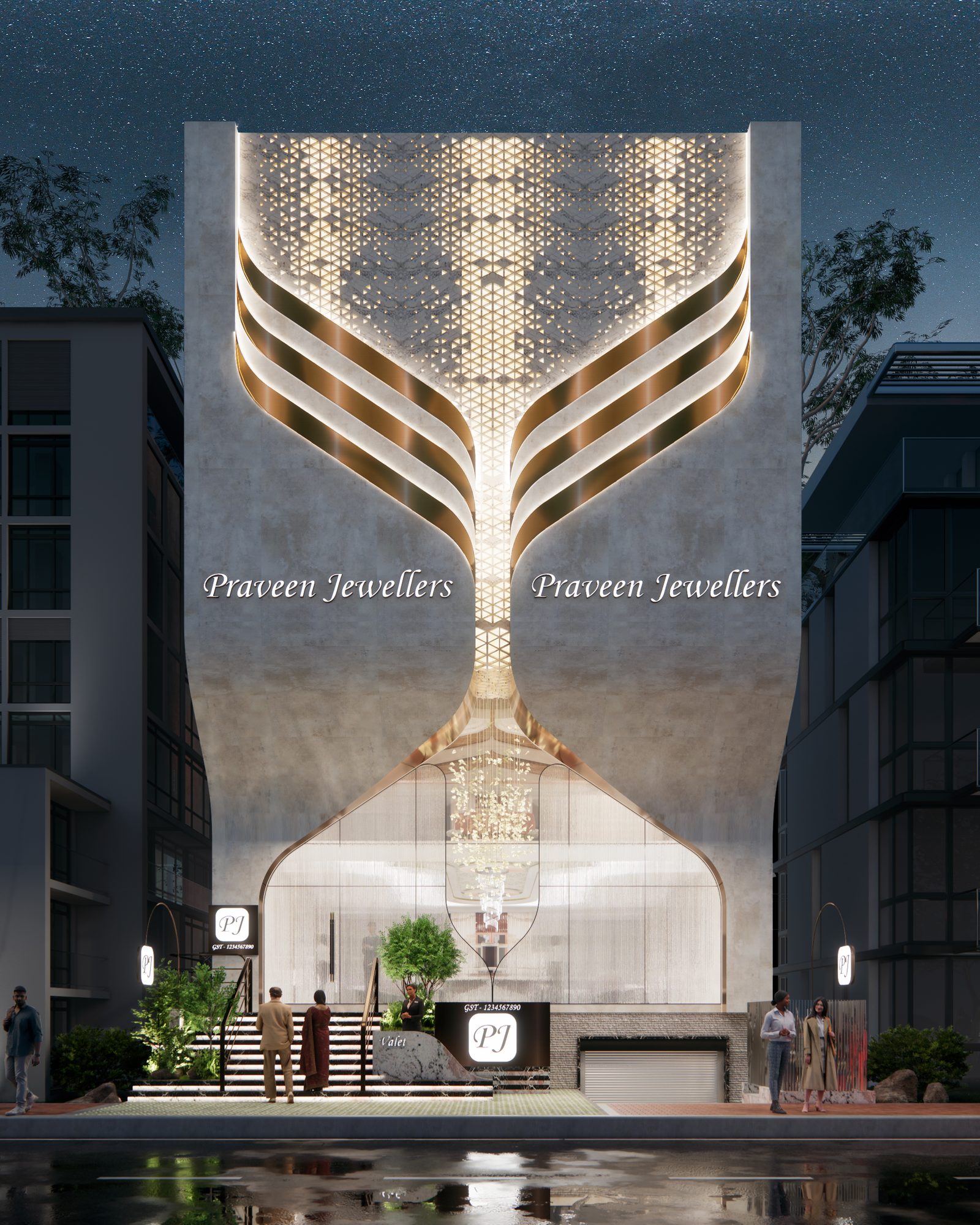
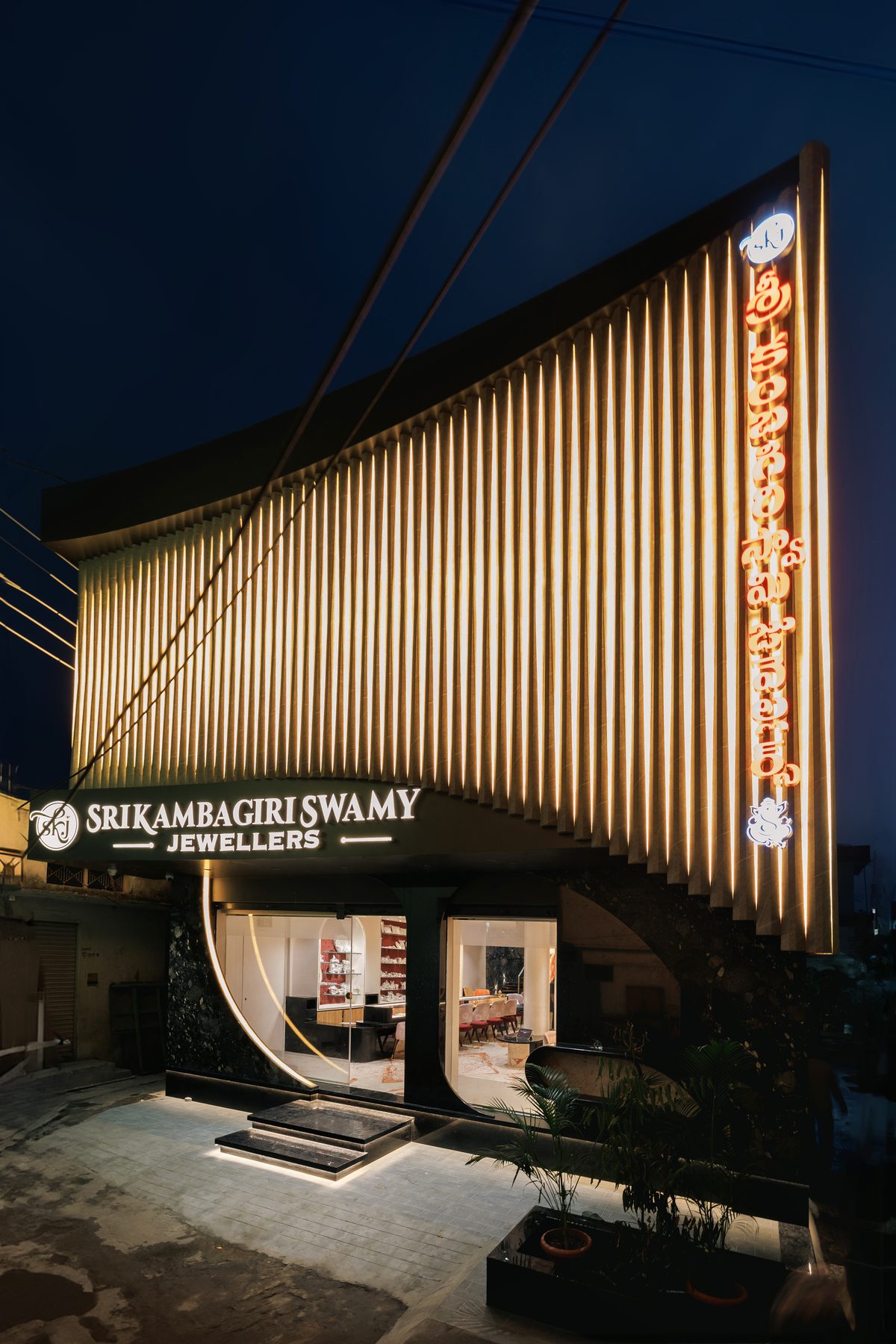
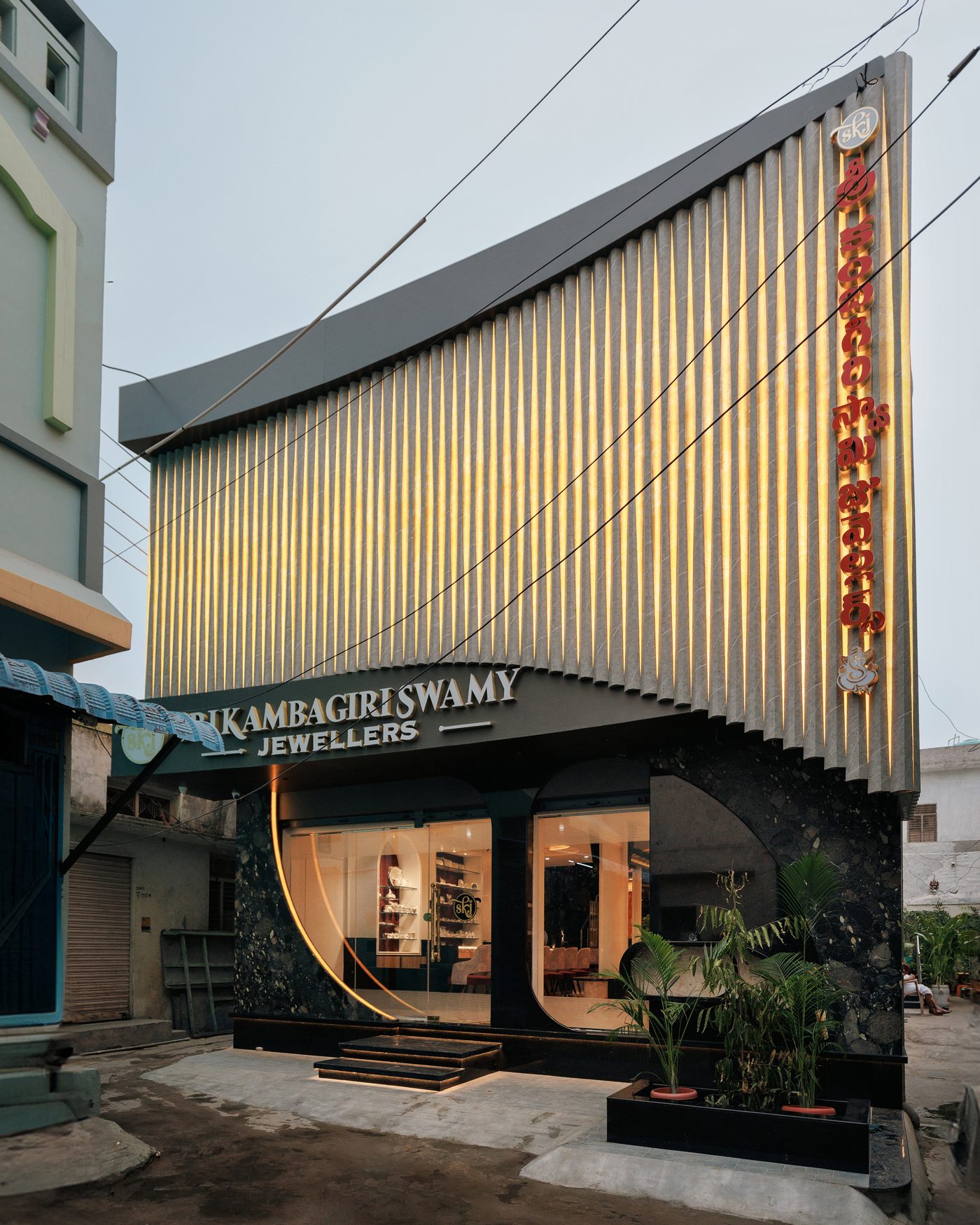
We're selective about it. Many of our clients are family-run businesses in smaller cities, decades old, who aren't just refreshing a store — they're reinventing a brand, and want a landmark that reflects the trust they've built over generations. One of the most memorable was in Tadipatri, where a family business grew from a single room into a modern showroom; it later won a Godrej Design Award. That confirmed something we believed: good design can change not just a space but how people see a brand.
The seventy per cent nobody teaches
Design is a third of the job. The rest is people.
Design is about thirty per cent of our work. The other seventy is people.
What surprised you most about running a practice?
Honestly, almost everything except designing. Architecture school prepares you to design and to work under someone, but rarely to build and run your own practice. Nobody taught us how to register a firm, choose a business structure, manage operations or build something sustainable. We researched, spoke to people who'd done it, and learned by trial and error.
Designing was never the hard part. The difficulty is everything around it — finding the right clients, establishing systems, managing execution. Many assume an architecture firm is only responsible for design, but design is about thirty per cent of our work. The other seventy is people: clients, contractors, consultants, electricians, plumbers, lighting specialists, tile vendors. Architecture is as much communication and coordination as it is drawing.
How do the three of you divide responsibilities?
It varies by project, but a natural workflow has emerged. One of us handles the early stages — client meetings, requirements, initial discussions. Once a project is secured, another leads design development and the studio's creative work. When execution begins, responsibility shifts again to overseeing delivery.
All three of us are closely involved at the start and at handover, because those stages shape both the client's experience and our reputation — most of our work comes through referrals. But the real strength is the third person. When two are deep in a phase, the third brings an outside view: honest feedback, the thing everyone missed, a check against the original intent. Whether it's reviewing a design or stepping in when something goes off track, that third perspective usually becomes the anchor.
One lesson you had to learn the hard way?
That systems matter. In the early years every project was handled differently because we were learning as we went. Today we have clear workflows that still flex for different clients. They keep the practice organised and — crucially — mean quality doesn't depend on one person being present at every stage.
The other is people skills. Introducing yourself, asking the right questions, presenting an idea, building trust — none of it is taught, and all of it decides whether a project moves. Working in the modular interiors industry before committing fully to Studio ALL taught us that architecture isn't only about producing a good design; it's about helping clients understand and believe in it.
Whose design is it?
On ego, sign-off, and the compliment worth more than recognition.
They didn't say “this looks like a Studio ALL project.” They said “this feels exactly like them.”
At what point does a project stop being the client's vision and become the architect's design?
It never should. The client will live in the home, work in the office, use the space every day. We're passionate about the work, but ego has to be set aside — if our vision overshadows their aspirations, we've lost the point.
So we bring every stakeholder into the conversation early: parents, spouses, children, anyone who'll influence the project. Understanding everyone's expectations at the start prevents confusion later. Then we review every detail with them. For many interior projects we mark spaces out on site with tape or chalk so clients can feel the scale before anything is built.
Only when everyone is confident do we take a Design Sign-off. That matters, because design is iterative — but once construction begins, continuous changes cause delays and dilute the concept. Sign-off marks the honest transition from exploring to building.
We don't see architecture as replacing a client's dream with our ideas. We see it as giving their aspirations shape, using our experience. After we finished a five-thousand-square-foot villa, the client's friends visited and didn't say “this looks like a Studio ALL project.” They said “this feels exactly like them.” That's the highest compliment we know.
If someone remembers Studio ALL in ten years, what do you hope they remember?
Not a building or a style — the experience of working with us. Architecture takes time: interiors run three to eight months, architectural projects well over a year. Across that stretch clients feel excitement, uncertainty and pressure, and not every stage is perfect.
So we pay attention to what we call the customer experience journey — knowing where the highs are, and where someone is likely to feel anxious or overwhelmed. Spot the low points early and you can communicate better and smooth the path. We want clients to remember two things: a seamless journey and a well-made outcome. One can't substitute for the other. A great experience can't rescue a poor building, and a beautiful building loses something if getting there was miserable.
Finally — advice for students and young architects who want their own practice?
Don't rush it. Work with established architects first; those years teach you more than school does about execution, clients, teams, and what actually works. Find mentors — nobody has the answers at the start, and good guidance saves you from avoidable setbacks.
Understand that starting a practice means becoming an entrepreneur, not just a designer. You also have to understand business, marketing, finance, positioning and sales — and you have to know your clients well enough to communicate the value of what you do. Great design alone doesn't win work. You can be an exceptional designer, but if you can't explain your ideas or build relationships, an independent practice becomes very hard.
Choose collaboration over competition; working across disciplines has taught us more than competing ever did. And as AI reshapes the profession, the ability to collaborate — with people and with new tools — will matter more, not less. Make mistakes, own them, and make sure your team can do the same. Growth comes from reflection, not perfection.
Above all, stay curious. Architecture is a lifelong journey, and every experience — good or bad — shapes the architect you become.
About the interviewee
In conversationArchitecture Limitless (Studio ALL) is a multidisciplinary design practice founded and led by principal architects Shalu Mishra, Roshni Fathima and Bali. It works across architecture, interiors, landscape design, renovations and bespoke design interventions, and describes its work as balancing functionality, aesthetics and the aspirations of each client — from residential homes and retail environments to transformative renovations. Jewellery retail is handled through its specialist branch, Aureate. Every project begins by understanding people: their lifestyles, ambitions and stories. The team also runs workshops on entrepreneurship and AI in design for architecture students and young professionals.