
The monsoon news desk
Rainwater rules, the NBC myth, and a note on pouring in the rain.

Three things are crossing the practice desk this month as the first clouds gather: a rule clients will suddenly care about, a myth worth retiring, and a reminder the season forces on every site.
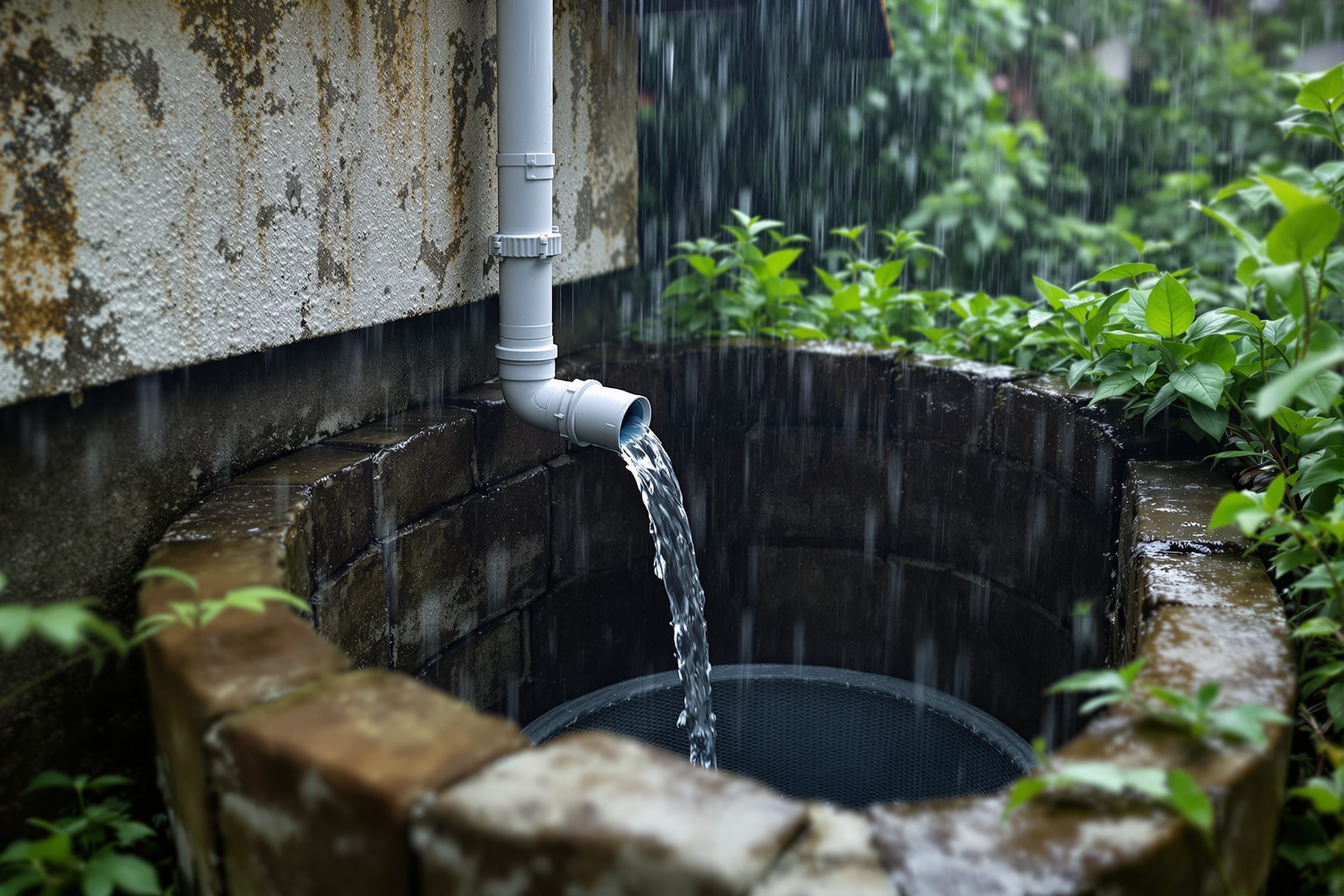
First, the rule. In most Indian metros rainwater harvesting is not optional — Bengaluru, Chennai, Delhi and many others require it for plots above a size threshold, and the monsoon is the season clients finally ask about it. Treat it as architecture rather than a bolt-on: size the recharge pit or storage sump to the roof's catchment, filter the first flush, and locate it before the slab is poured, not after the paving is down. Thresholds, rebates and penalties vary by city and are revised often, so confirm the current figure against the local bylaw before you advise a client.
Second, a myth worth killing. You may have heard that “the National Building Code has been withdrawn and SP 7 is the new reference.” It is a misreading: SP 7 is the National Building Code. The Bureau of Indian Standards publishes the NBC under the designation SP 7, and NBC 2016 remains the current edition. There is no rival document to switch to — the Code you already cite and the “SP 7” number are the same book. If a consultant tells you otherwise, ask them which clause changed.
Third, the reminder the weather enforces. The monsoon is the worst season to pour structural concrete carelessly. Rain falling on fresh concrete raises the water-cement ratio and weakens it; saturated ground complicates foundations and excavation; and curing still has to be managed even when it is bucketing down. Where the programme allows, get the critical pours done before the heavy weeks, protect what you must pour, and never let site pressure override a wet-weather call.
And a housekeeping note to close on: this is the slow season for site work and the busy one for drawings and approvals. A good month, in other words, to clear the submission backlog and the detailing you have been deferring — while the trucks wait out the rain.