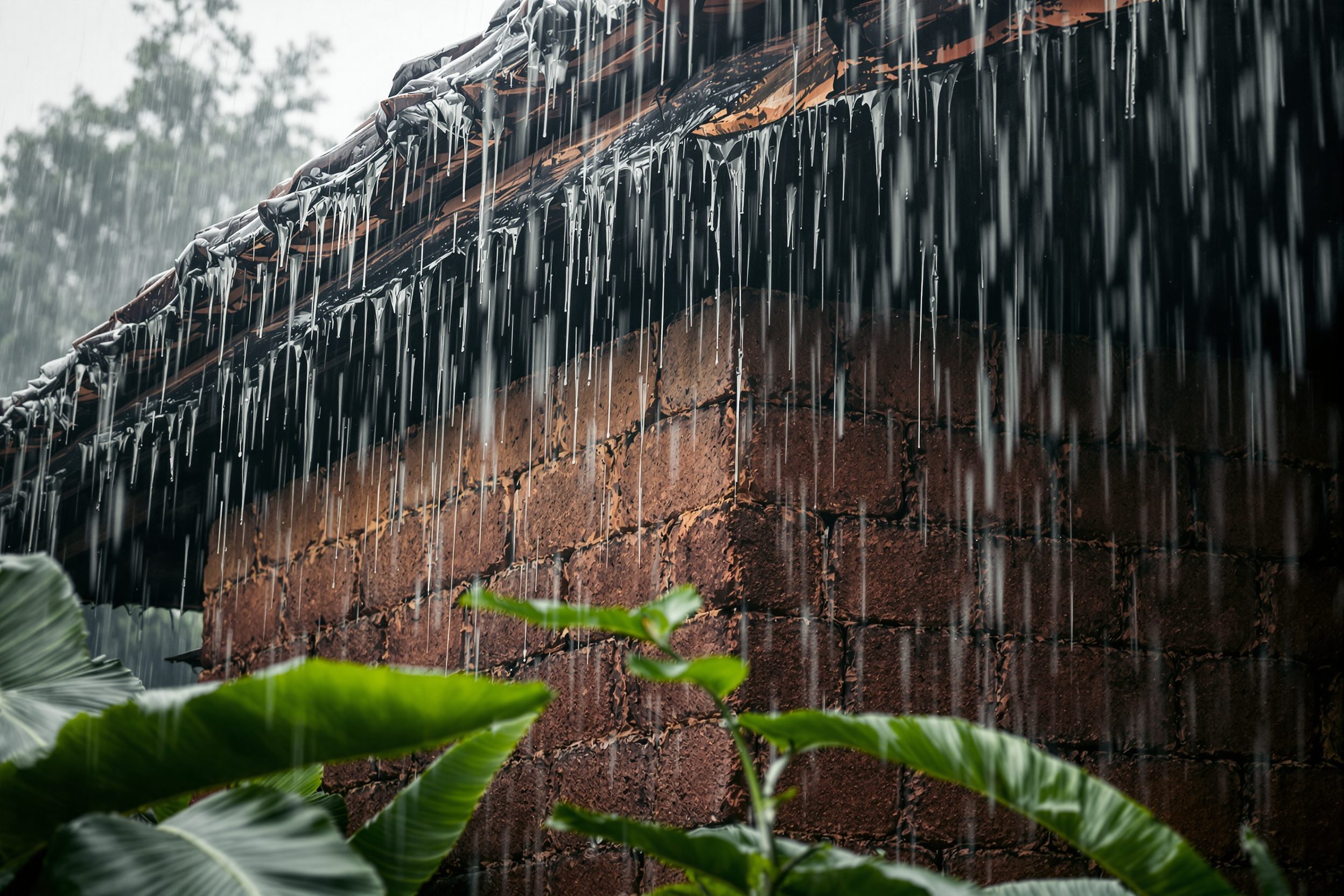
Laterite — the stone that loves water
Origin, cost, and why coastal India builds with it.
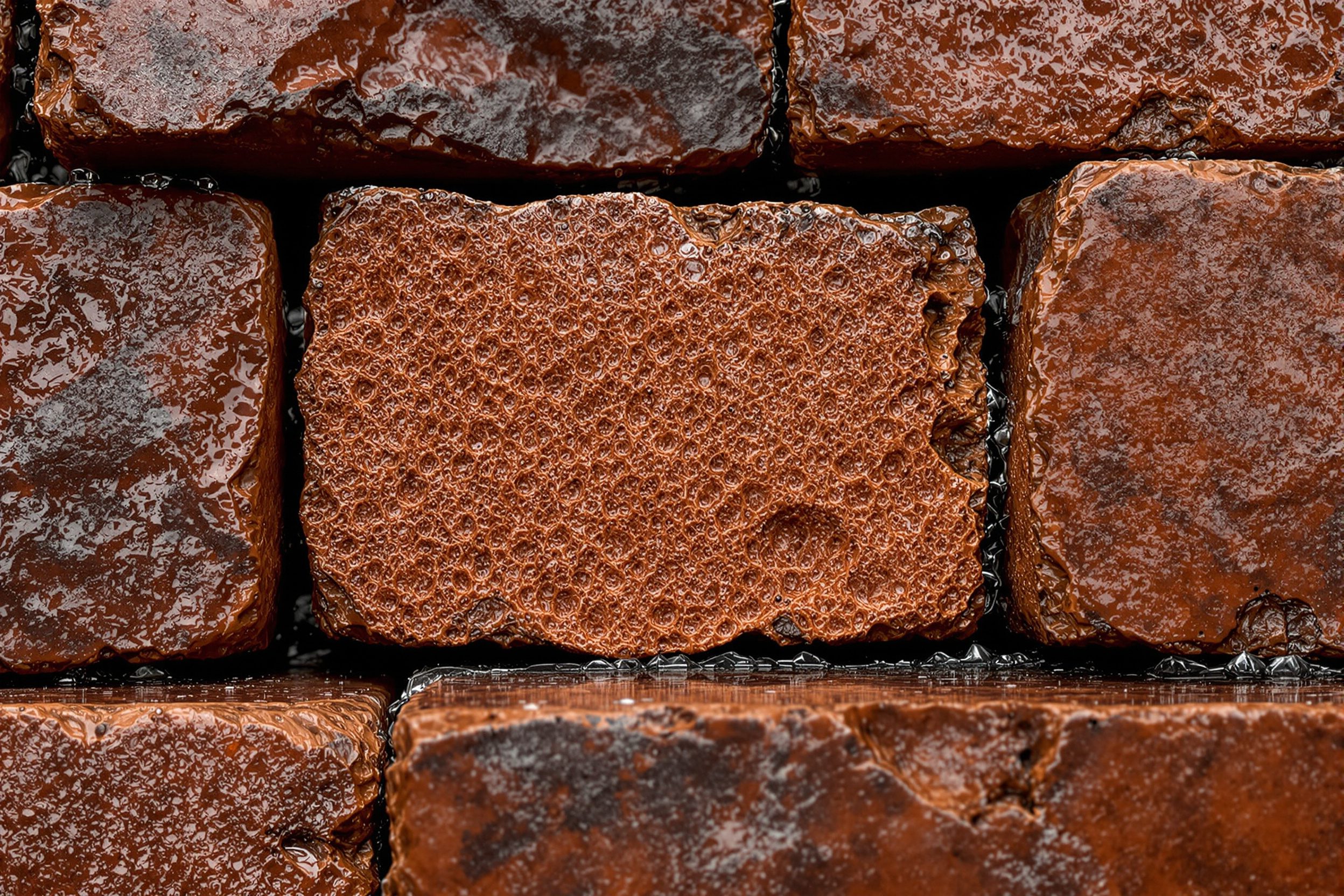
Cut a block of laterite straight from the ground and it is almost soft — you can pare it with a spade. Leave it in the sun and air for a few weeks and it hardens into a dense, rust-red stone that will stand for centuries. This strange behaviour — soft when freshly dug, hard once dried — is the whole story of the material that built coastal India.
Laterite is less a quarried rock than a soil that has had everything soluble washed out of it. Decades of heavy monsoon rain leach the silica and bases from the earth, leaving a porous mass rich in iron and aluminium oxides — which is where its ochre-to-brick-red colour comes from. The geologist Francis Buchanan met it in Malabar in 1807 and named it from the Latin word later, meaning brick. The name fits: across the Konkan, Goa, Kerala and the Karnataka coast, the ground itself is the brickyard.
There is a quiet paradox here that this issue cannot resist. Laterite is made by water — formed by the very monsoon homeowners spend so much money trying to keep out — and yet, used well, it is one of the calmest materials in the rain.
The reason is porosity. Laterite breathes. A laterite wall takes up a little moisture and gives it back to the air as the weather turns, instead of trapping it the way a sealed cement wall does. In a humid coastal climate that means fewer damp patches, cooler rooms, and a surface that dries rather than rots. Left exposed — as Goan and Malabari homes have done for generations — it weathers to a deeper, richer tone rather than peeling.
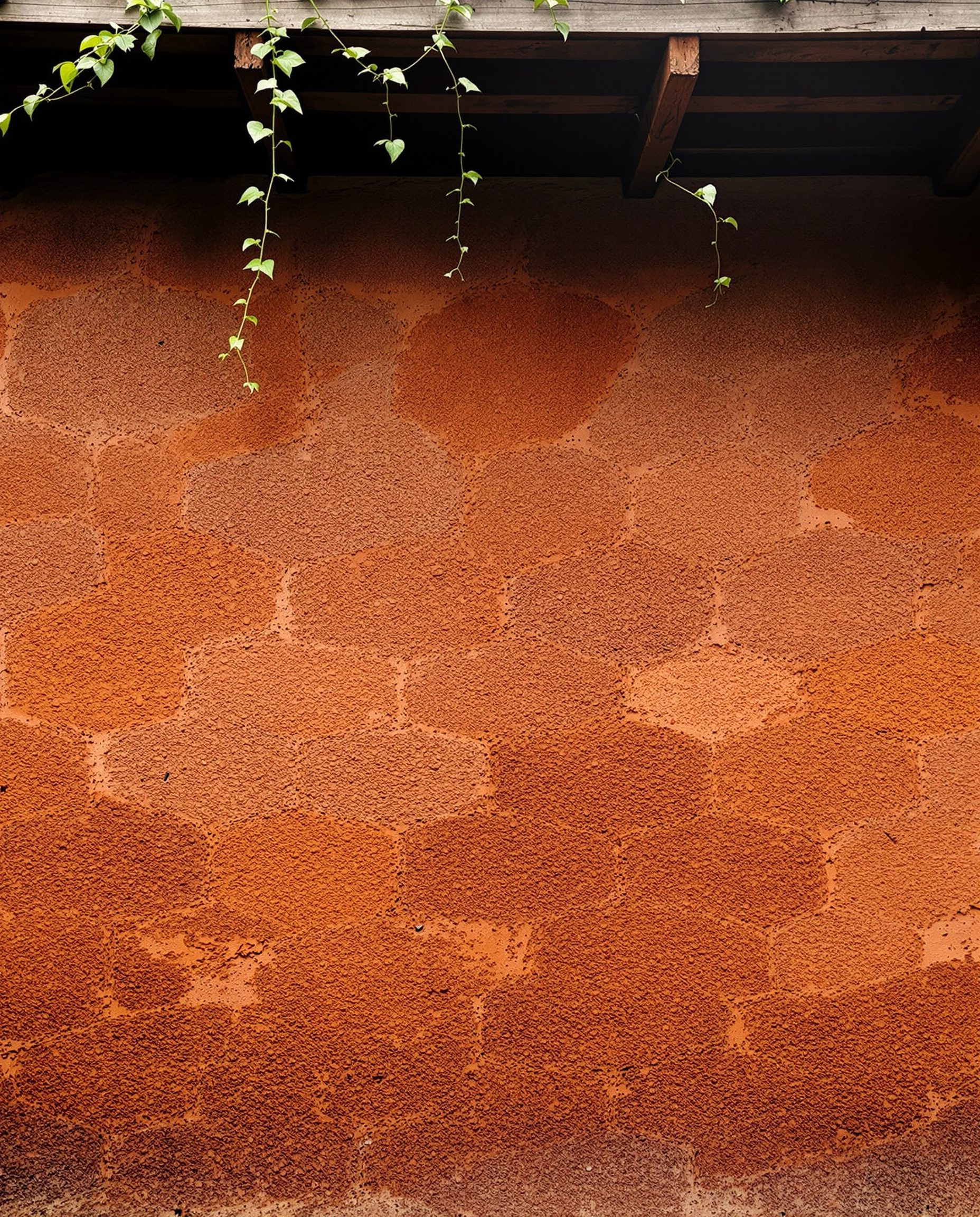
It is also cheap and local, which is much of the appeal. Because the blocks are cut on or near the site, transport is short and embodied energy is low: laterite is dug and dried, never fired in a kiln like a clay brick. Indicative rates run roughly ₹25–45 a block, or ₹40–70 per square foot for cladding, but they swing widely with the quarry, the density and the distance travelled — always price it locally. Laurie Baker built much of his low-cost legacy on exactly this logic: exposed laterite, jaali screens, and almost no plaster.
The catch is that not all laterite is equal. Density varies enormously between quarries, and a soft, under-cured block will crumble where a dense one will outlast you. It also wicks water upward, so it needs a proper plinth to keep rising damp out of the wall, and it dislikes being smothered: trap it behind an impermeable cement paint and you lose the very breathability that made it worth using. Detail it honestly — a good plinth, deep eaves, a breathable finish or none at all — and it asks for almost nothing in return.
That is the case for laterite in a line: a stone the monsoon made, that knows how to live with the monsoon. Before you specify it, check what your own region's quarries are charging this season.